
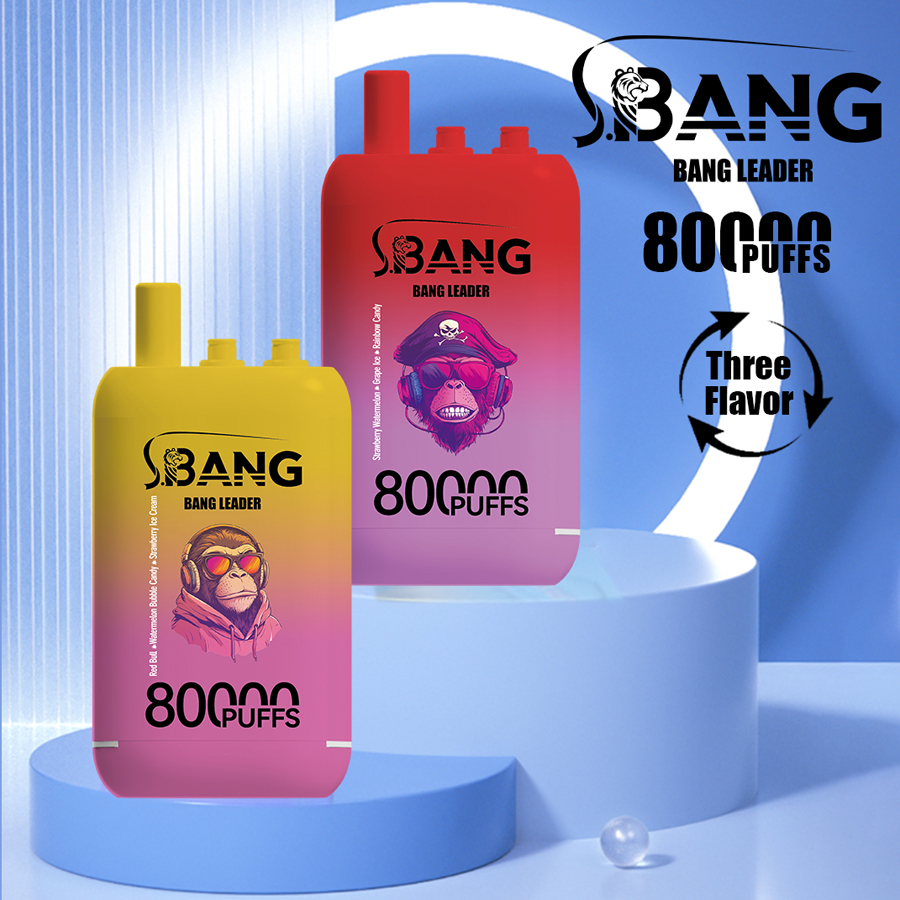
The atomization process of e-liquid mainly involves the following key steps:
E-liquid storage and ingredients: E-liquid is stored in the e-liquid compartment of e-cigarettes. Its main components include propylene glycol, vegetable glycerin, nicotine and various fragrances. Propylene glycol helps dissolve the flavorings and provides a throwling sensation. Plant glycerin is responsible for generating thick vapor. Nicotine is an addictive substance, and the amount can be selected as needed. Flavorings give e-cigarettes a variety of flavors.
Heating atomization: When the user inhales, the battery-powered heating element (usually a metal coil or ceramic material) is activated. The heating element generates heat to heat the e-liquid to its boiling point, causing the liquid components in the e-liquid to evaporate.
Evaporation into mist: Heating causes the e-liquid to evaporate, forming aerosols, which is what we see as “smoke”. Users inhale this aerosol to simulate the feeling of smoking. The aerosol contains various components of e-liquid and exists in the form of vapor, which quickly dissipates in the air.
Control system regulation: Electronic cigarettes are usually also equipped with a control system that can adjust parameters such as the temperature of the heating element and the flow rate of the e-liquid to meet users’ demands for smoke volume and taste. For instance, an intelligent temperature control chip is used to prevent dry burning, ensuring the safety and stability of the atomization process.