
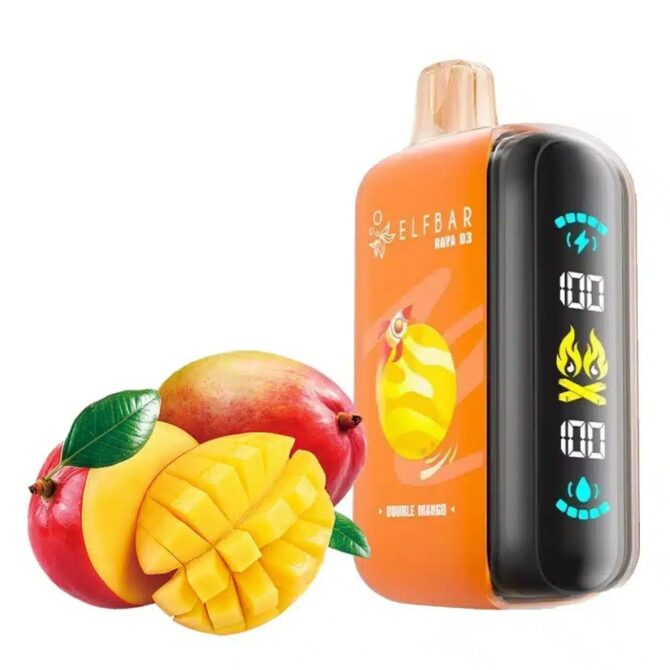
The ceramic atomization technology of electronic cigarettes has multiple advantages:
High-temperature resistance: Ceramic material has a high high-temperature resistance and is not easily damaged under long-term high-temperature operation, ensuring the stability and durability of electronic cigarettes. Even if there is a sudden high temperature phenomenon, the cotton-burning phenomenon of the traditional cotton-wrapping process will not occur.
Excellent atomization effect: The micro-porous structure of the ceramic atomization core enables the e-liquid to be evenly distributed and fully atomized, creating a more delicate and realistic smoke effect and enhancing the user experience. The pore size of microporous ceramics is generally at the micrometer or sub-micrometer level, which increases the surface area of the ceramic atomizer core, enhances its adsorption capacity for e-liquid, enables the ceramic atomizer core to store more e-liquid, and ensures the stability of e-cigarettes during continuous use.
Pure taste and high fidelity: The ceramic material is less likely to produce harmful substances, ensuring the purity of the e-cigarette smoke and making the taste closer to real tobacco, meeting the taste requirements of some users. Meanwhile, the ceramic atomizing core has more precise temperature control, solving problems such as unstable taste existing in traditional atomizing cores and improving the fidelity of the smoke taste.
High safety: Compared with atomizing cores made of other materials, ceramic atomizing cores are less likely to produce harmful substances during the heating process, reducing the health risks to users. In addition, the ceramic atomization core also features stable liquid guiding and locking functions, is less prone to oil leakage, and further enhances the safety of use.
Long service life: The high-temperature resistance and corrosion resistance of the ceramic atomization core enhance the service life of the entire product. Meanwhile, its micro-porous structure also helps to reduce the residue and carbon deposits of e-liquid during the atomization process, further extending the service life of the atomization core.