
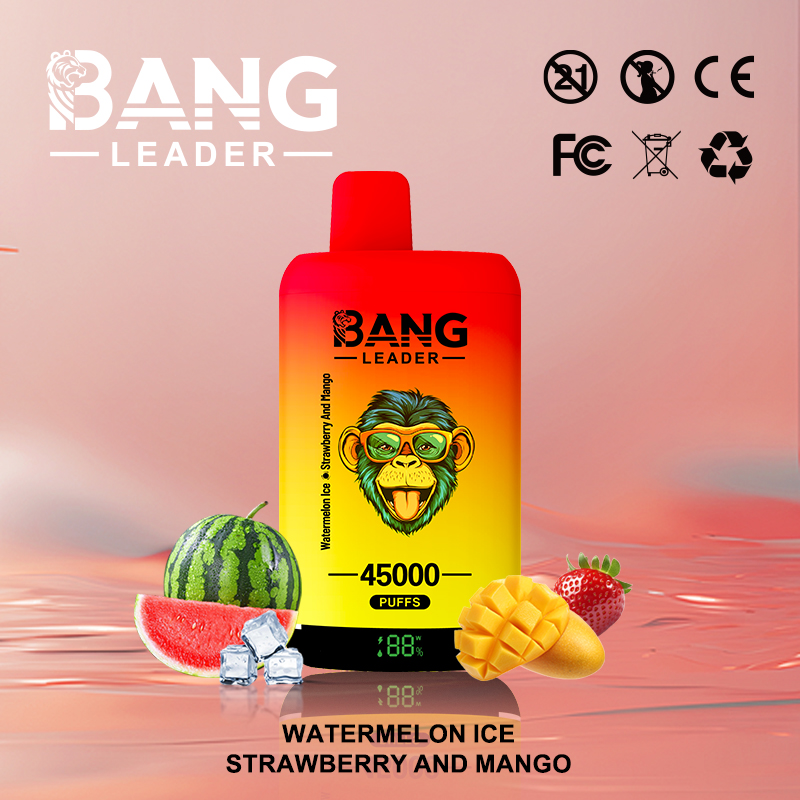
Key Maintenance Practices for Regular Upkeep of Your Vaping Device
Regular maintenance of your vaping device is crucial to ensure consistent performance, prevent hardware issues, and prolong its lifespan. Beyond daily cleaning, periodic upkeep involves deeper inspections, component replacements, and adjustments to keep your device in optimal condition. Below, we explore essential maintenance practices to adopt on a weekly or monthly basis.
1. Inspecting and Replacing Coils Promptly
Coils are one of the most critical components of your vaping device, as they heat e-liquid and produce vapor. Over time, coils degrade due to e-liquid residue, heat exposure, and repeated use, leading to burnt tastes, reduced vapor production, or leaks. To maintain performance, inspect coils regularly for signs of wear.
Common indicators that a coil needs replacement include a gurgling sound when vaping, a metallic or burnt aftertaste, or visible discoloration on the coil’s wicking material. For reusable coils (e.g., in rebuildable atomizers), check for frayed wires, loose screws, or uneven heating. Even with careful cleaning, most coils last 1–2 weeks, depending on usage frequency and e-liquid type (e.g., sweetened e-liquids may shorten coil lifespan).
When replacing a coil, prime it properly by saturating the wicking material with e-liquid before installation. This prevents dry hits and extends the coil’s initial lifespan. After installation, let the device sit for 5–10 minutes to allow the e-liquid to fully absorb into the coil.
2. Checking and Tightening Connections and Seals
Loose connections or damaged seals can lead to issues like misfires, inconsistent power delivery, or e-liquid leaks. Regularly inspect the 510 connection (the threading where the tank attaches to the mod) for debris, residue, or corrosion. Use a cotton swab lightly dampened with rubbing alcohol to clean the threading, ensuring a secure electrical connection.
Similarly, examine the O-rings and gaskets in your tank. These small rubber components create a tight seal between tank sections, preventing leaks and airflow issues. If you notice cracks, tears, or wear on O-rings, replace them immediately. Most vaping suppliers sell replacement O-ring kits that fit standard tank sizes.
When reassembling your device, avoid overtightening tank sections, as this can warp seals or damage threads. Instead, tighten components firmly but gently to maintain a secure fit without causing stress.
3. Testing Battery Health and Charging Practices
Batteries are the power source for your vaping device, and their health directly impacts performance and safety. If your device uses removable batteries, regularly test their capacity using a battery charger with a built-in voltage checker. Batteries that hold significantly less charge than when new may need replacement.
For devices with built-in batteries, monitor charging cycles and avoid overcharging. Many modern mods include overcharge protection, but it’s still advisable to unplug the device once it reaches full capacity. Similarly, avoid letting batteries drain completely, as this can degrade their lifespan.
Store batteries in a dedicated case when not in use to prevent short-circuiting or physical damage. Never carry loose batteries in pockets with keys, coins, or other metal objects. If you notice signs of battery damage, such as dents, swelling, or leakage, dispose of the battery safely and replace it immediately.
4. Deep Cleaning the Tank and Airflow System
Even with regular rinsing, e-liquid residue can accumulate in hard-to-reach areas of your tank, such as airflow channels or chimney sections. Every few weeks, perform a deep clean by disassembling the tank and soaking all components (except the coil) in warm water mixed with a few drops of dish soap.
Use a soft brush or toothbrush to scrub the tank’s interior, paying special attention to the airflow slots and chimney. For stubborn residue, soak the tank in high-proof alcohol (like vodka or isopropyl alcohol) for 30 minutes to an hour, then rinse thoroughly. Ensure all parts are completely dry before reassembling.
While cleaning, inspect the tank’s glass or plastic section for cracks or chips. Damaged tanks can leak or pose safety risks, so replace them if needed. Similarly, check the airflow control ring for smooth operation and clean any debris that may impede adjustment.
By incorporating these periodic maintenance practices into your routine, you can keep your vaping device reliable, efficient, and safe. Regular upkeep not only enhances performance but also reduces the likelihood of unexpected malfunctions or costly repairs.