
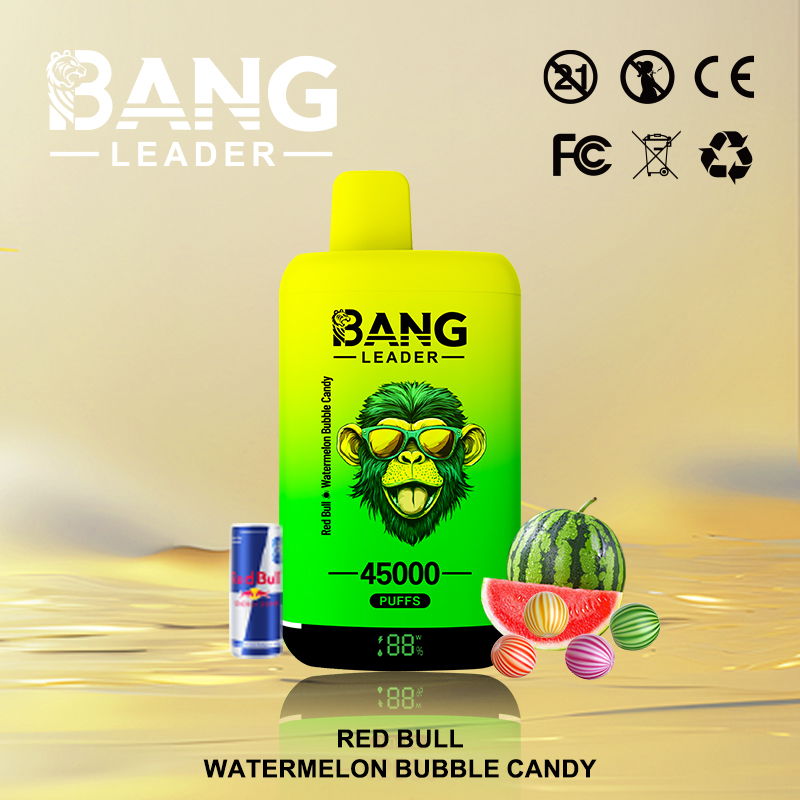
Emerging Trends Shaping the Future of the Vaping Industry
The vaping industry continues to evolve rapidly, driven by technological advancements, regulatory shifts, and changing consumer preferences. From sustainability initiatives to innovative designs, these trends reflect the sector’s efforts to adapt to global demands while addressing long-standing challenges. Below, we explore key developments influencing the industry’s trajectory.
1. Regulatory Scrutiny and Standardization Efforts
Governments worldwide are tightening regulations to address health concerns, youth access, and product safety. Recent years have seen bans on flavored e-liquids, restrictions on marketing, and mandatory nicotine-content labeling. For instance, some regions now require vaping products to undergo pre-market approval processes similar to pharmaceuticals, ensuring they meet stringent quality and safety standards.
Additionally, there’s a growing push for standardized packaging and child-resistant mechanisms to prevent accidental ingestion. These regulations aim to balance harm reduction for adult smokers with protecting non-smokers, especially youth, from initiating vaping. Manufacturers are investing in compliance teams and R&D to align with evolving rules, which could lead to a more transparent and accountable industry.
Another focus is on cross-border collaboration to harmonize regulations. International bodies like the World Health Organization (WHO) are advocating for unified guidelines to curb illicit trade and ensure consistent safety protocols across markets.
2. Sustainability and Eco-Friendly Practices
Environmental consciousness is reshaping the vaping industry, with companies exploring ways to reduce waste and carbon footprints. Single-use plastics, such as disposable vapes and packaging, face criticism for contributing to pollution. In response, some manufacturers are introducing biodegradable materials, recyclable components, or refillable systems to minimize environmental impact.
For example, initiatives to recycle batteries, aluminum pods, and plastic components are gaining traction. Retailers and brands are partnering with recycling programs to incentivize consumers to return used products. Additionally, there’s a shift toward designing devices with longer lifespans, encouraging repairs over replacements.
Consumers are also prioritizing eco-friendly options, with surveys indicating a growing preference for brands that demonstrate sustainability commitments. This trend could drive further innovation in material science and packaging design within the industry.
3. Technological Advancements in Device Design and Functionality
Vaping technology is advancing beyond basic battery-and-coil systems. Innovations like temperature control, adjustable airflow, and smart connectivity are enhancing user experience and safety. For instance, some devices now feature Bluetooth integration, allowing users to monitor battery life, track usage patterns, or customize settings via mobile apps.
Another area of focus is improving coil longevity and flavor consistency. Mesh coils, ceramic heating elements, and optimized wicking materials are reducing burnout and delivering cleaner tastes. Additionally, advancements in battery efficiency enable smaller, lighter devices with longer-lasting power.
Research into alternative nicotine delivery methods, such as nicotine salts or heat-not-burn systems, is also expanding. These technologies aim to mimic the sensation of traditional smoking more closely while potentially reducing harmful byproducts.
4. Shifting Consumer Preferences Toward Health and Customization
Health-conscious consumers are seeking vaping products with fewer additives, clearer ingredient labeling, and reduced harm profiles. This demand has spurred interest in organic e-liquids, natural flavorings, and nicotine-free options. Some users are even exploring CBD or herbal vaporizers as alternatives to traditional nicotine-based products.
Customization is another key driver, with consumers demanding flexibility in nicotine strength, flavor profiles, and device aesthetics. Modular designs that allow users to swap tanks, batteries, or mouthpieces are gaining popularity. Similarly, DIY e-liquid mixing kits cater to enthusiasts who want to experiment with flavors and nicotine levels.
The rise of online communities and social media influencers also plays a role in shaping preferences, with users sharing tips, reviews, and creative setups. This peer-to-peer engagement fosters a culture of innovation and personalization within the vaping community.
By staying attuned to these trends, the vaping industry can navigate regulatory challenges, meet consumer expectations, and position itself as a responsible and innovative sector. As technology evolves and sustainability becomes non-negotiable, the focus on safety, transparency, and user empowerment will likely define the industry’s next phase of growth.