
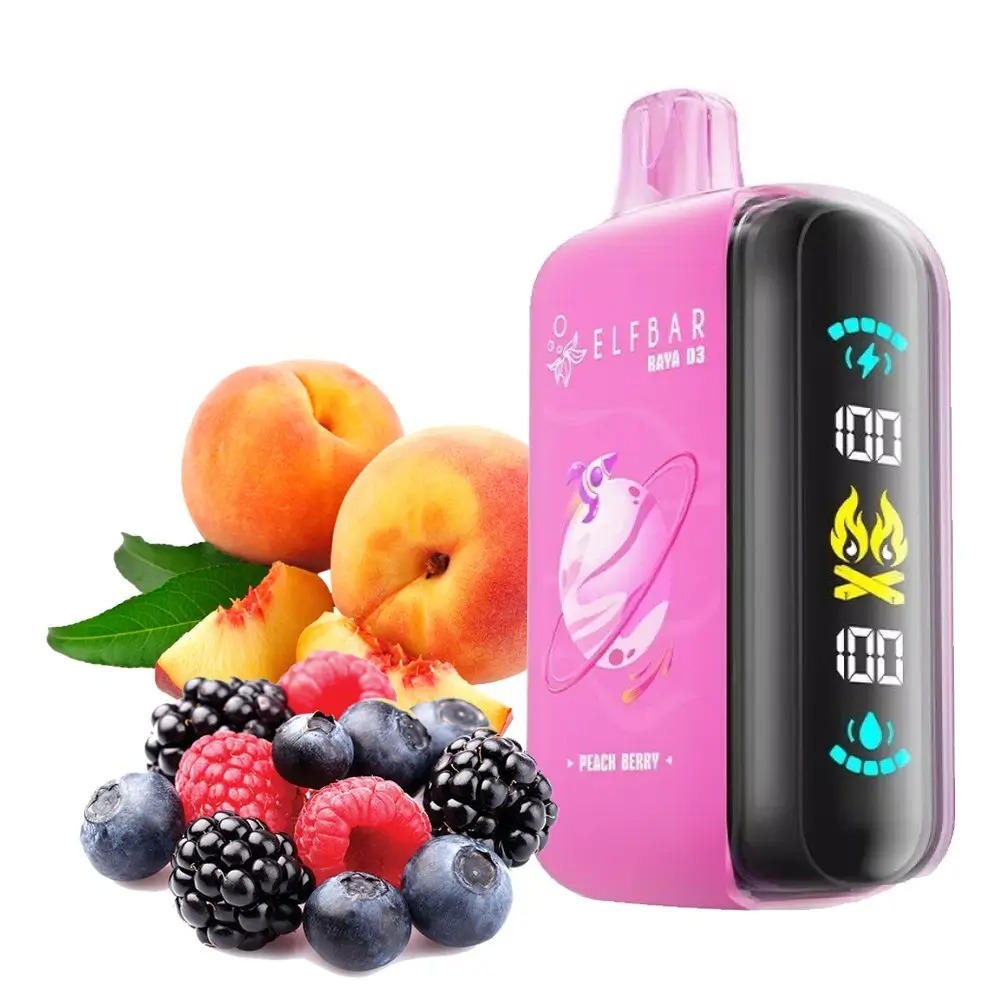
Innovative Flavor Development in the Vaping Industry
The vaping sector continues to evolve its flavor offerings, driven by consumer demand for novelty, health-conscious choices, and regulatory compliance. As traditional fruit, dessert, and menthol flavors face scrutiny in many markets, manufacturers are exploring unconventional ingredients, natural extracts, and sensory experiences to differentiate their offerings. Below, we explore emerging trends shaping the future of vaping flavor innovation.
1. Plant-Based and Botanical Flavor Explorations
Consumer interest in natural and organic products is inspiring a shift toward plant-based flavorings. Herbal extracts, such as chamomile, lavender, or eucalyptus, are gaining traction for their calming or refreshing profiles. These botanicals not only offer unique taste experiences but also align with trends toward holistic wellness and stress relief.
Spices and roots are another area of experimentation. Ingredients like ginger, turmeric, or cardamom add complexity and warmth to e-liquids, appealing to users seeking non-sweet alternatives. Additionally, floral notes, such as rose or hibiscus, are being blended with fruits or teas to create sophisticated, layered flavors that mimic artisanal beverages or perfumes.
Sustainability is also influencing flavor sourcing. Manufacturers are prioritizing fair-trade or locally sourced ingredients to reduce environmental impact and support ethical practices. For example, e-liquids featuring rare or exotic botanicals may highlight their origin stories to appeal to eco-conscious consumers.
2. Functional and Health-Focused Flavor Profiles
As vaping is increasingly positioned as a harm-reduction tool, flavors that emphasize wellness benefits are on the rise. Adaptogens like ashwagandha or maca root are being incorporated into e-liquids to promote energy, focus, or relaxation. These functional flavors cater to users seeking more than just sensory satisfaction from their vaping experience.
CBD-infused flavors are another growing segment, particularly in regions where cannabis is legal. Combining CBD with calming flavors like vanilla or bergamot could appeal to users interested in anxiety relief or sleep support. However, regulatory hurdles—such as THC limits or labeling requirements—remain a challenge in many markets.
Additionally, vitamin-enhanced or antioxidant-rich e-liquids are emerging, though their efficacy is debated. Flavors featuring citrus, berries, or green tea extracts may market themselves as nutrient-dense, even if the health claims are limited. Brands that prioritize transparency about ingredient benefits and limitations could build trust in this niche.
3. Textural and Sensory Enhancements Beyond Taste
Flavor innovation is expanding beyond taste to include texture and sensory effects. Cooling agents, such as menthol derivatives or WS-23 (a synthetic coolant), are being refined to offer longer-lasting freshness without the harshness of traditional menthol. Some e-liquids even mimic the “throat hit” of smoking by adjusting nicotine salts or adding mild spicy notes.
Aromatherapy-inspired blends are another trend, where scents like sandalwood or citrus are paired with complementary flavors to create multi-sensory experiences. For example, a lemon-scented e-liquid might evoke freshness through both taste and smell, enhancing the overall vaping ritual.
Manufacturers are also exploring “temperature-responsive” flavors that change profile based on heating intensity. A single e-liquid might taste fruity at lower temperatures and spicy at higher settings, offering users a dynamic experience without switching pods.
4. Cultural and Regional Flavor Inspirations
Globalization is inspiring vaping flavors that celebrate diverse culinary traditions. Asian-inspired blends, such as matcha green tea, lychee, or yuzu, are gaining popularity for their bright, citrusy notes. Similarly, Latin American flavors like guava, tamarind, or horchata offer sweet, tropical profiles that resonate with users seeking exotic escapes.
Savory and umami flavors are also emerging, though they remain niche. Ingredients like truffle, miso, or smoked paprika could appeal to adventurous users looking for non-traditional vaping experiences. However, balancing these bold tastes with sweetness or creaminess remains a challenge for formulators.
Collaborations with chefs, mixologists, or cultural institutions could further enrich flavor offerings. For instance, an e-liquid inspired by a regional dessert or cocktail might leverage authentic recipes and storytelling to stand out in a crowded market.
5. Regulatory-Compliant and Youth-Resistant Flavor Strategies
As flavor bans and restrictions proliferate, manufacturers are developing strategies to comply with regulations while retaining consumer interest. Flavorless or “clean” e-liquids, which focus on nicotine delivery without added taste, are becoming more common in restrictive markets. These products often emphasize purity and simplicity to appeal to adult smokers transitioning from traditional tobacco.
Additionally, “adult-oriented” flavor categories, such as fine wines, whiskeys, or coffees, are being marketed to position vaping as a sophisticated hobby rather than a youth-centric trend. Brands may use sophisticated packaging, tasting notes, or pairing suggestions to reinforce this image.
Transparency in labeling is also critical. Clear disclosure of ingredients, allergens, and flavor sources helps build trust with regulators and consumers, particularly in markets where misinformation about vaping is prevalent.
By embracing botanicals, functional ingredients, and cultural influences, the vaping industry can navigate regulatory challenges and meet evolving consumer preferences. As flavor innovation continues to evolve, the sector will need to balance creativity with responsibility, ensuring that new offerings prioritize safety, ethics, and adult appeal.