
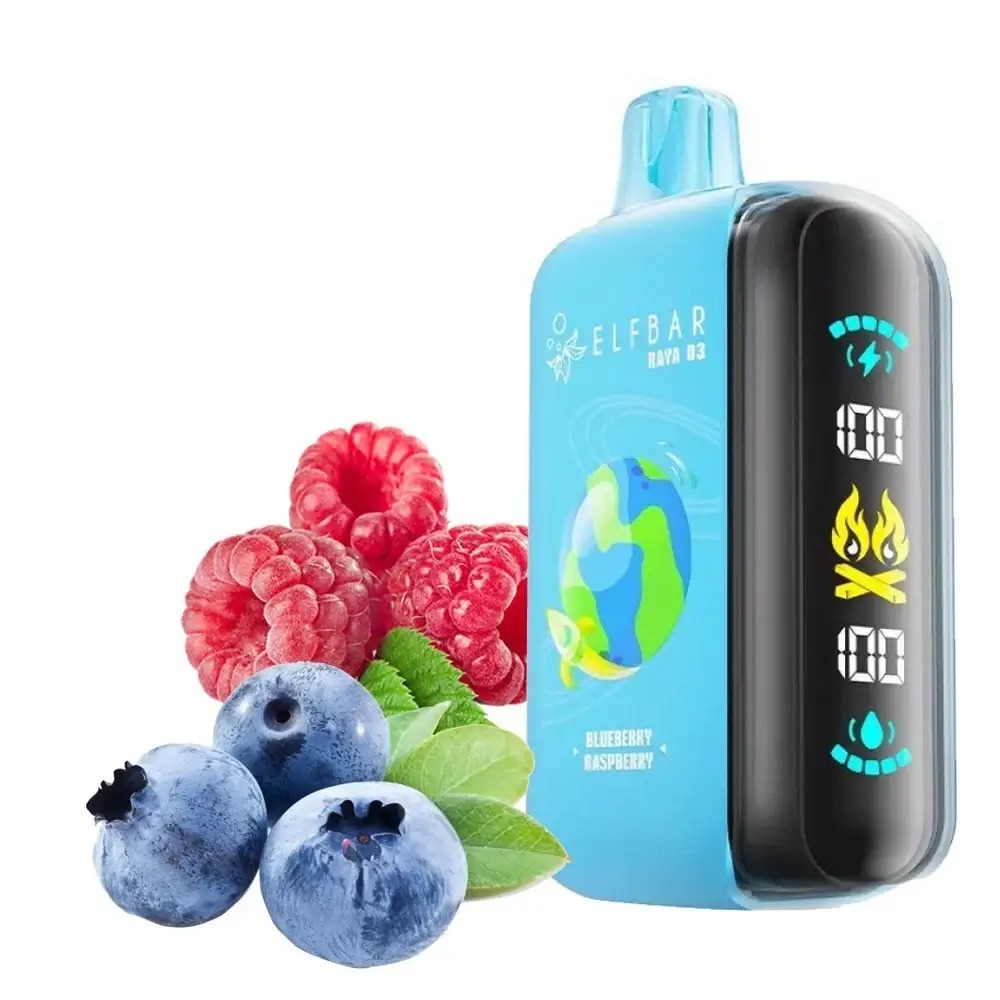
Smart Integration and Future Trends in Vaping Technology
The vaping industry is undergoing a transformation driven by smart technology, merging convenience, personalization, and health-focused innovation. As consumers demand more control over their vaping experiences and regulators push for stricter oversight, manufacturers are integrating advanced sensors, connectivity, and AI-driven features into devices. Below, we explore the key trends shaping the智能化 (smart) evolution of vaping.
1. Connectivity and IoT-Enabled Vaping Devices
The integration of Bluetooth, Wi-Fi, and near-field communication (NFC) technologies is enabling vaping devices to sync with smartphones, wearables, and home automation systems. Users can now adjust settings like temperature, wattage, or airflow via companion apps, allowing for real-time customization without physical interaction with the device. For example, a user might program their vape to increase nicotine delivery during stressful moments detected by a connected smartwatch.
Smart vapes are also leveraging IoT ecosystems to enhance safety. Devices could automatically lock when out of range of a paired phone, preventing unauthorized use by minors. Additionally, firmware updates delivered over-the-air (OTA) ensure devices comply with evolving regulations, such as nicotine limits or power output restrictions, without requiring hardware modifications.
Geofencing capabilities add another layer of control. A vape might disable flavored pods or reduce nicotine strength when the user enters a school zone or public space where vaping is restricted, aligning with local laws and social norms.
2. AI and Machine Learning for Behavioral Insights
Artificial intelligence (AI) and machine learning (ML) are revolutionizing how vaping devices adapt to user habits. By analyzing puff duration, frequency, and intensity, AI algorithms can predict preferences and optimize settings. For instance, a device might learn that a user prefers a cooler vapor in the morning and automatically adjust the temperature during those hours.
Health monitoring is another frontier. Some prototypes use biosensors to track biomarkers like heart rate variability or blood oxygen levels, correlating vaping patterns with physiological responses. If a user’s heart rate spikes after a puff, the device could suggest reducing nicotine strength or taking a break. These insights could also be shared with healthcare providers, though privacy and ethical concerns remain significant hurdles.
AI-driven flavor recommendations are also emerging. By analyzing past usage data, an app might suggest new e-liquid blends or nicotine concentrations tailored to individual tastes. This personalization could reduce trial-and-error purchasing, enhancing user satisfaction and loyalty.
3. Advanced Sensors for Safety and Compliance
Safety is a top priority in smart vaping development. Devices are increasingly equipped with sensors to detect overheating, short circuits, or leaks, alerting users via haptic feedback, LED indicators, or smartphone notifications. Some models even include pressure sensors to prevent accidental activation in pockets or bags.
Regulatory compliance is another driver of sensor innovation. Devices may soon feature tamper-proof pods with RFID tags or QR codes that verify authenticity and prevent refilling with unregulated e-liquids. Additionally, nicotine sensors could ensure devices adhere to legal limits, adjusting output in real time if a user attempts to exceed thresholds.
Environmental sensors are also being explored. A device might detect air quality or humidity levels, adjusting vapor production to minimize condensation or irritation. For example, in dry climates, the vape could increase moisture content to prevent throat discomfort.
4. Gamification and Engagement Through Smart Features
To enhance user retention, smart vapes are incorporating gamification elements. Apps might reward users with badges or points for achieving milestones, such as reducing daily puff counts or trying new flavors. These rewards could unlock discounts on e-liquids or access to exclusive content, creating a sense of community and achievement.
Social connectivity is another trend. Users could share their vaping statistics or flavor preferences with friends, fostering a sense of camaraderie. Some apps even enable “vape challenges,” where users compete to meet health or usage goals, though this raises questions about responsible messaging around nicotine consumption.
Additionally, smart vapes may integrate with virtual reality (VR) or augmented reality (AR) experiences. For instance, a user might “explore” a virtual flavor garden while vaping, with the device adjusting settings to match the imagined environment’s climate or terrain.
5. Sustainability and Circular Design in Smart Devices
Smart technology is also addressing environmental concerns. Devices with modular designs allow users to replace batteries, coils, or sensors rather than discarding the entire product, reducing electronic waste. Some prototypes even feature self-disassembling mechanisms to simplify recycling.
Energy efficiency is another focus. Smart vapes could optimize power usage based on real-time demand, extending battery life and reducing reliance on disposable components. For example, a device might enter low-power mode when idle or adjust charging rates to prevent battery degradation.
Additionally, smart packaging could track e-liquid usage and alert users when it’s time to recycle empty pods. Some brands may even offer incentives, such as loyalty points, for returning used components for responsible disposal.
By embracing connectivity, AI, and sustainability, the vaping industry can position itself as a leader in responsible innovation. As smart technology evolves, the sector will need to balance cutting-edge development with ethical considerations, ensuring that advancements prioritize user safety, privacy, and environmental stewardship.