
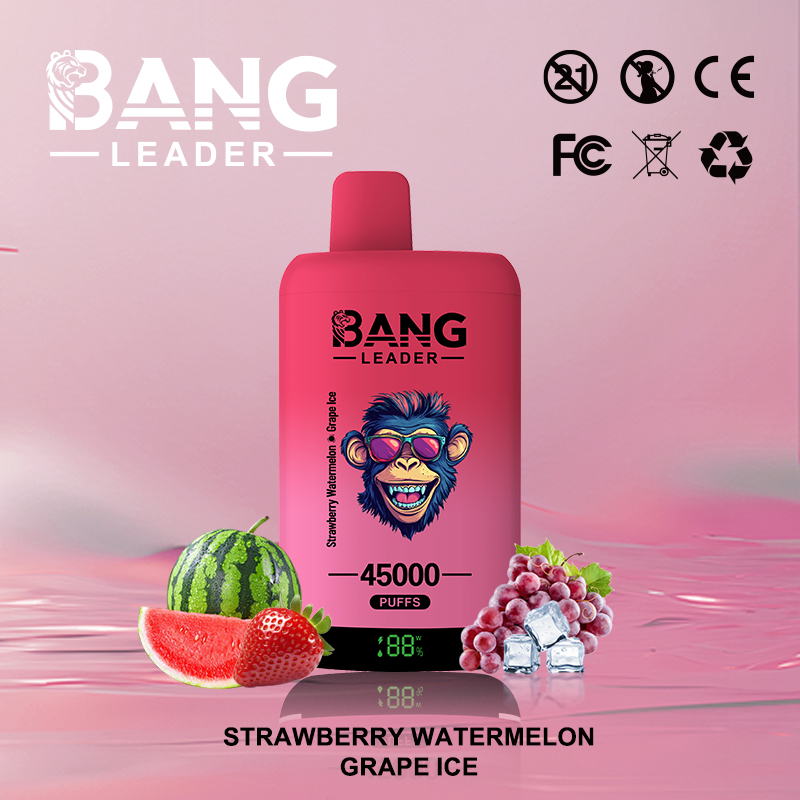
Understanding Usage Limitations of Closed-System Vape Devices
Closed-system vape devices, often designed for simplicity and portability, come with inherent limitations that impact their functionality, longevity, and user experience. Unlike open-system mods or rebuildable atomizers, these devices use pre-filled pods or cartridges, restricting customization and requiring adherence to specific operational guidelines. Below are key restrictions users should recognize to avoid performance issues, safety risks, or premature device failure.
Battery and Power Constraints
Closed-system devices typically feature integrated, non-removable batteries with limited capacity, which directly affects usage duration and charging frequency.
- Fixed Battery Life: Most closed-system vapes are engineered for short-term use, with batteries lasting between 200–500 puffs per charge, depending on wattage and inhalation duration. Unlike devices with replaceable batteries, users cannot carry spare power sources, making extended outings challenging without access to charging.
- Charging Limitations: Many closed-system pods use proprietary charging ports or cables, which may not be widely available if lost or damaged. Overcharging risks are higher if users leave devices plugged in beyond the recommended time, as these systems often lack advanced battery management chips found in premium open-system mods.
- Power Output Restrictions: To preserve battery life, closed-system devices operate at lower wattages (typically under 20W), limiting vapor production and flavor intensity. This makes them unsuitable for users seeking dense clouds or strong throat hits, as the hardware cannot accommodate high-power coils or airflow adjustments.
Pro Tip: Carry a portable power bank compatible with the device’s charging cable to extend usage during travel. Avoid using fast chargers unless explicitly supported by the manufacturer, as excessive voltage can degrade battery health.
Pod and E-Liquid Restrictions
The reliance on pre-filled or proprietary pods imposes significant limitations on flavor variety, nicotine strength, and refillability.
- Pre-Filled Pod Limitations: Closed-system pods arrive sealed with a fixed e-liquid volume and flavor profile, offering no flexibility to mix flavors or adjust nicotine concentrations. Once empty, users must discard the entire pod, contributing to environmental waste unless recycling programs are available.
- Refill Restrictions: While some closed-system pods are designed for single-use, others claim to be refillable. However, refilling often voids warranties and risks leaks, as the pods’ seals degrade after initial use. Additionally, thick or high-VG e-liquids may clog the narrow wicking channels, causing dry hits or coil burnout.
- Nicotine Strength and Type: Pre-filled pods usually contain nicotine salts, which deliver a smoother throat hit at higher concentrations (20–50mg) compared to freebase nicotine. Users preferring lower strengths or freebase formulations may find limited options, forcing compromises on nicotine satisfaction or flavor experience.
Technical Insight: If attempting to refill a closed-system pod, use a syringe or needle-tip bottle to avoid spills. Let the pod sit upright for 10–15 minutes after refilling to ensure the wick fully absorbs the e-liquid, reducing the risk of flooding during the first puff.
Environmental and Regulatory Compliance
Closed-system vapes face stricter scrutiny due to their disposable nature and appeal to younger demographics, leading to regional restrictions and sustainability challenges.
- Disposal and Recycling: Many closed-system pods contain lithium-ion batteries, plastic, and metal components that require specialized recycling. Improper disposal (e.g., throwing pods in regular trash) can harm ecosystems, as batteries may leak toxic chemicals into soil and water. Users should research local e-waste facilities or manufacturer take-back programs to dispose of pods responsibly.
- Age and Sales Restrictions: Governments worldwide have imposed age limits (typically 18–21) on purchasing closed-system vapes due to concerns about underage use. Retailers may require ID verification, and online sales could be restricted to verified accounts, limiting accessibility for legitimate adult users in some regions.
- Flavor Bans: In response to public health debates, certain jurisdictions have banned flavored e-liquids in closed-system pods, allowing only tobacco or menthol variants. This reduces options for smokers transitioning to vaping and may push users toward unregulated or counterfeit products.
User Experience: Some users repurpose empty pods as storage containers for small items like beads or screws, extending their utility beyond vaping. However, this does not address the broader environmental impact of single-use plastics and electronics.
Device Durability and Maintenance Challenges
Closed-system vapes are often engineered as disposable or low-maintenance devices, but this design philosophy introduces limitations in repairability and longevity.
- Non-Replaceable Components: Many closed-system devices integrate the battery, pod, and mouthpiece into a single unit, making it impossible to replace individual parts if they fail. A damaged pod or faulty charging port typically requires purchasing an entirely new device, increasing long-term costs.
- Cleaning Difficulties: Unlike open-system tanks or RDAs, closed-system pods lack removable parts for thorough cleaning. Residue buildup from sweetened e-liquids can clog airflow holes or degrade coil performance over time, leading to muted flavors or frequent pod replacements.
- Limited Firmware Updates: Few closed-system devices support firmware updates to improve functionality or safety features. Users are stuck with the original software, which may lack protections against battery overheating, short circuits, or accidental activation.
Safety Alert: Never disassemble a closed-system device to attempt repairs, as this risks exposure to lithium-ion battery cells, which can explode if punctured or mishandled. Contact the manufacturer for warranty support if the device malfunctions within the coverage period.
By acknowledging these limitations, users can set realistic expectations for closed-system vapes and adopt practices to mitigate their drawbacks. For example, carrying multiple pre-filled pods for flavor variety, using protective cases to prevent damage, and staying informed about local regulations ensure a smoother experience. While closed-system devices excel in convenience, they are best suited for casual vapers or smokers transitioning to vaping, rather than enthusiasts seeking advanced customization or cost efficiency.