
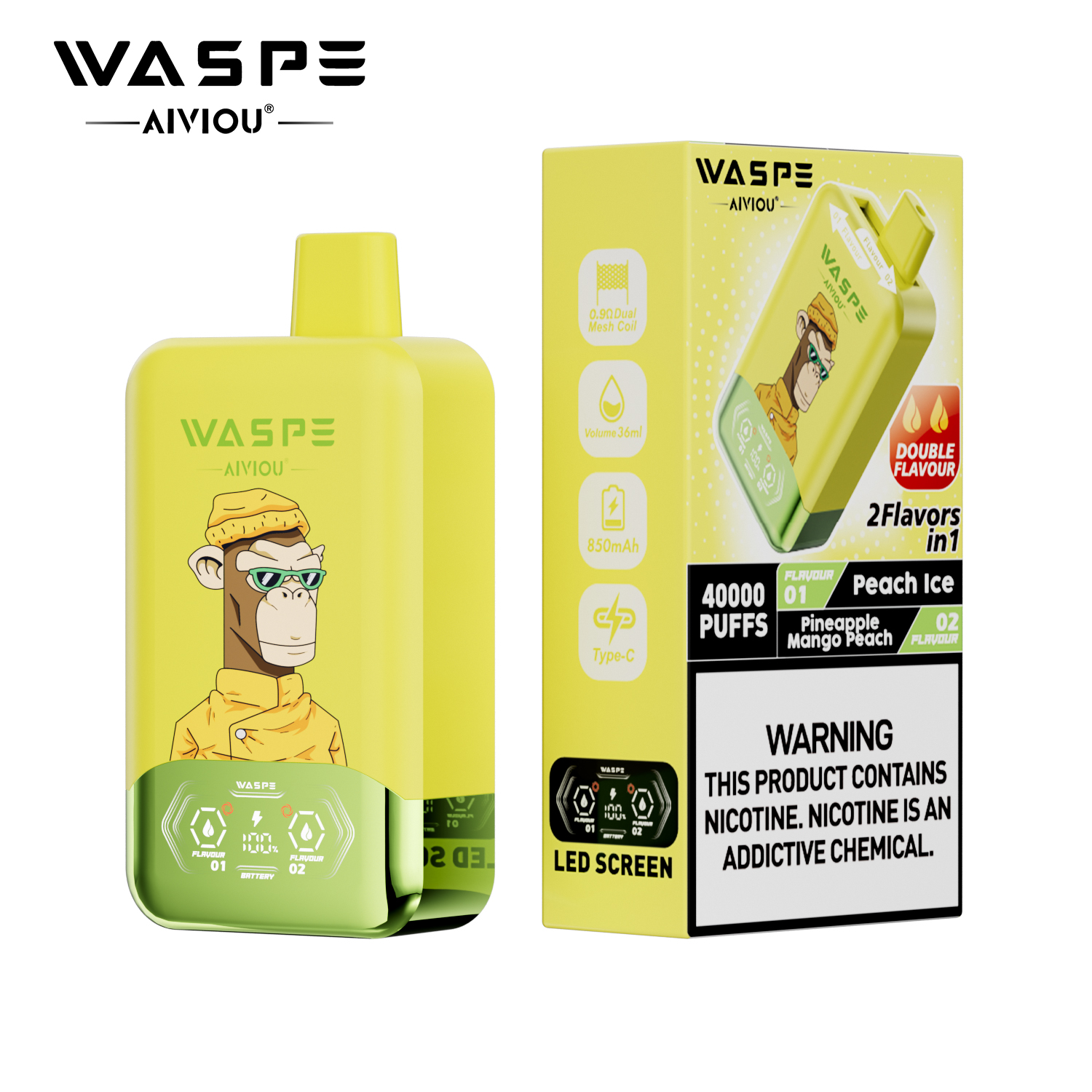
Conceptual Innovations in Next-Gen Electronic Cigarettes: Redefining the Vaping Experience
The electronic cigarette industry is evolving rapidly, driven by a demand for safer, more sustainable, and immersive alternatives to traditional smoking. Conceptual designs are pushing boundaries by integrating cutting-edge technology, eco-conscious materials, and user-centric features. Below, we explore three transformative innovation areas that could shape the future of vaping.
Adaptive Nicotine Delivery Systems
One of the most promising advancements lies in personalizing nicotine intake to match individual preferences and health goals. Unlike conventional devices with fixed output, conceptual models aim to dynamically adjust nicotine concentration and delivery speed based on real-time user data.
Biometric-Driven Customization
Future devices might incorporate sensors to monitor physiological markers such as stress levels, heart rate variability, or even blood oxygen saturation. For instance, if a user’s stress metrics indicate heightened anxiety, the device could automatically reduce nicotine strength to discourage dependency during vulnerable moments. Conversely, during periods of focus or creativity, it might deliver a subtle boost to enhance cognitive performance without overwhelming the senses.
Micro-Dosing and Gradual Reduction
Some conceptual designs focus on helping users transition away from nicotine entirely. By offering ultra-precise micro-dosing options—as low as 0.1mg per puff—users can gradually reduce their intake without experiencing abrupt withdrawal symptoms. The device could also include haptic feedback or visual alerts to encourage mindful consumption, such as vibrating after a pre-set number of puffs to signal a break.
Flavor-Nicotine Synergy
Research suggests that certain flavors can influence nicotine absorption rates. Conceptual devices might leverage this by allowing users to pair specific e-liquid profiles with desired nicotine effects. For example, a menthol blend could be engineered to deliver nicotine more slowly for a cooling, sustained experience, while a citrus flavor might offer quicker absorption for an instant energy boost.
Self-Sustaining Energy Solutions
Battery life and charging convenience remain persistent challenges for vapers. Conceptual innovations are addressing these issues through energy-harvesting technologies and ultra-efficient power management.
Kinetic Energy Harvesting
Imagine a device that charges itself through everyday movements. By integrating tiny piezoelectric generators or electromagnetic coils into the chassis, a conceptual electronic cigarette could convert vibrations from walking, typing, or even speaking into usable energy. This “self-powering” mechanism would reduce reliance on external chargers and extend runtime between refuels.
Solar-Reactive Coatings
Some prototypes explore embedding photovoltaic cells into the device’s outer layer. While not powerful enough to fully charge the battery, these coatings could provide a supplemental energy boost when exposed to sunlight or indoor lighting, ensuring the device stays operational during short outings without needing a power bank.
Adaptive Power Management
Advanced AI algorithms could optimize energy use by analyzing usage patterns. For example, if a user typically vapes heavily in the morning but sparingly in the afternoon, the device might lower its idle power consumption during off-peak hours. It could also prioritize critical functions—like safety sensors—over non-essential features like LED lighting when battery levels are low.
Wireless Charging with Spatial Freedom
Future devices might abandon traditional charging pads in favor of resonant magnetic coupling, allowing users to recharge simply by placing the device within a few feet of a power source. This technology could be integrated into furniture, cars, or even public spaces, making charging as effortless as sitting at a desk or driving to work.
Multi-Sensory Immersion and Haptic Feedback
Vaping is no longer just about inhaling vapor—it’s becoming an experience that engages multiple senses. Conceptual designs are exploring ways to make the act of vaping more interactive and emotionally resonant.
Thermochromic and Photochromic Materials
Devices could feature casings that change color based on temperature or light exposure. For example, a cold-pressed metal finish might shift from silver to blue when the device is in use, creating a visual cue that enhances the ritual of vaping. Photochromic dyes could also allow users to customize their device’s appearance by “programming” it to react to specific wavelengths of light.
Aromatherapy Integration
Some conceptual models include replaceable cartridges that release essential oils alongside vapor. Users could choose scents like lavender for relaxation or peppermint for alertness, creating a holistic sensory experience. The device might even sync these aromas with nicotine delivery—releasing a calming scent as nicotine levels decrease to ease cravings.
Haptic Feedback for Tactile Engagement
Tiny actuators embedded in the mouthpiece or body could provide subtle vibrations to mimic the “throat hit” of traditional smoking or signal important events. For instance, a gentle pulse might indicate when the coil needs replacement, while a stronger vibration could reward users for reaching daily puff goals.
Augmented Reality (AR) Companion Apps
Pairing the device with an AR app could unlock immersive experiences. Users might point their smartphone at the device to see animated visualizations of vapor clouds or access interactive tutorials on maintenance. The app could also gamify vaping by awarding points for healthy habits, such as staying within recommended puff limits or trying new flavors.
By focusing on adaptive technology, sustainable energy, and sensory innovation, conceptual electronic cigarettes are poised to redefine what it means to vape. These advancements prioritize user well-being, environmental responsibility, and engagement, setting a new standard for the industry. As research progresses, these ideas could transition from theoretical designs to mainstream products, offering smokers a smarter, safer, and more satisfying alternative.