
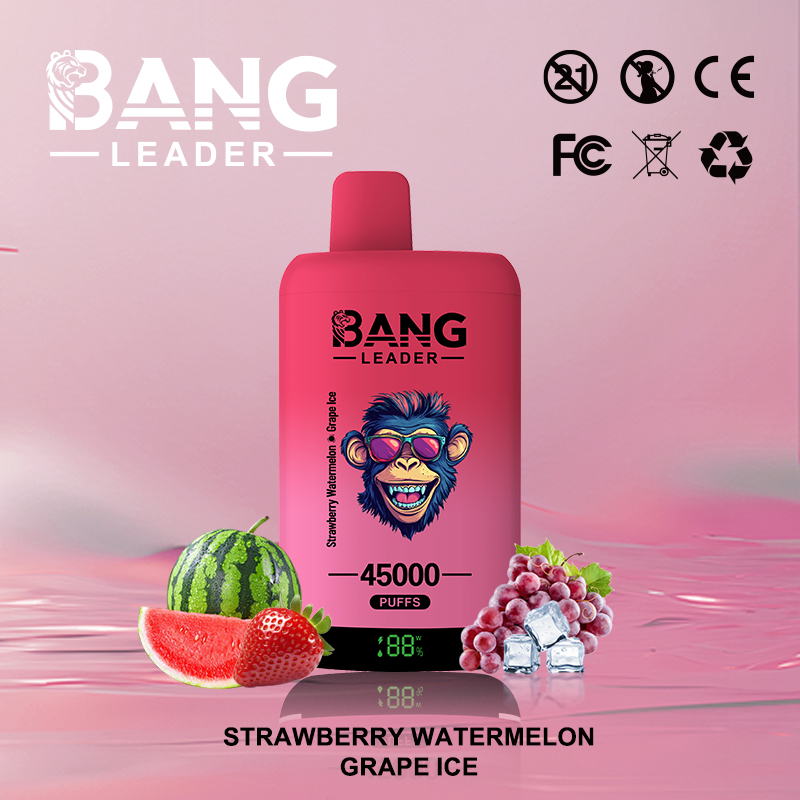
The Art of Layering in Mixed-Flavor E-Liquids: Crafting Depth Through Complexity
Mixed-flavor e-liquids have redefined the vaping experience by merging distinct taste profiles into cohesive blends. Unlike single-note flavors, these combinations rely on strategic layering to create dynamic interactions between ingredients. The result is a sensory journey that evolves from inhale to exhale, keeping the palate engaged without monotony. This exploration dissects the techniques and principles behind achieving this nuanced depth.
Balancing Contrasting Flavor Profiles
The foundation of a compelling mixed-flavor e-liquid lies in pairing ingredients that contrast yet complement each other. For instance, a blend of sweet strawberry and tart lemon requires careful calibration to prevent one note from overpowering the other. Manufacturers often start with a base flavor (e.g., strawberry) and introduce secondary elements (e.g., lemon zest) in smaller concentrations. The goal is to create a harmonious push-and-pull—where sweetness softens acidity, and acidity brightens sweetness.
Some blends incorporate earthy or herbal undertones to anchor brighter flavors. A mix of vanilla custard and dark cherry might introduce a hint of almond or cinnamon to add warmth, preventing the cherry from feeling overly candied. This interplay of warm and cool, sweet and spicy, ensures the flavor profile remains multifaceted rather than one-dimensional.
Time-Dependent Flavor Evolution
Advanced mixed-flavor e-liquids are engineered to shift in character over time. This is achieved by using flavor compounds with varying volatility rates. For example, a blend containing both citrus and berry notes might feature top notes (like lemon) that evaporate quickly, followed by mid-notes (like raspberry) and lingering base notes (like vanilla). The inhale delivers a burst of freshness, while the exhale reveals deeper, creamier layers.
This temporal layering is also evident in dessert-inspired blends. A caramel-apple pie flavor might start with a sharp apple note on the inhale, transition to buttery pastry mid-exhale, and finish with a caramelized sugar sweetness. The key is ensuring each phase feels intentional, with no abrupt jumps between flavors.
Textural Complexity Through Ingredient Synergy
Texture plays a silent but critical role in enhancing layered flavors. High vegetable glycerin (VG) content creates thicker vapor, which can amplify creamy or smooth profiles. In a mixed-flavor e-liquid like peanut butter and jelly, a higher VG ratio helps the peanut butter’s richness coat the mouth, while the jelly’s fruitiness cuts through as a brighter, lighter counterpoint.
Conversely, propylene glycol (PG)-heavy blends emphasize sharpness and clarity, making them ideal for citrus or mint combinations. A lime-mint blend might use a 50/50 VG/PG ratio to ensure the mint’s cooling effect remains crisp and the lime’s acidity feels vibrant. Some manufacturers even experiment with hybrid ratios to strike a balance—such as a creamy coconut base with a PG-dominant pineapple top note for a “pina colada” effect that’s both smooth and zesty.
The Role of Cooling and Warming Agents
Cooling agents like menthol or koolada and warming compounds like cinnamon or capsaicin are often used to heighten layered experiences. In a spiced chai-vanilla blend, a touch of cinnamon provides warmth that contrasts with vanilla’s smoothness, while a hint of menthol can mimic the refreshing quality of steamed milk. These agents don’t just add temperature—they create sensory tension that makes the flavor profile feel more alive.
For example, a watermelon-mint-lime blend might use menthol to emphasize the mint’s freshness, while lime’s natural acidity prevents the watermelon from feeling flat. The cooling effect also lingers on the palate, making subsequent inhales feel cleaner and more pronounced.
Subtlety in Secondary Notes
The mark of a sophisticated mixed-flavor e-liquid is its ability to incorporate subtle secondary notes without cluttering the profile. A coffee-caramel-hazelnut blend might include a whisper of sea salt to enhance caramel’s richness or a dash of cocoa to deepen coffee’s roast. These additions are often detectable only on repeated vapes, rewarding attentive users with hidden layers of complexity.
Similarly, floral or herbal accents can elevate fruit blends. A strawberry-basil e-liquid might use basil sparingly to add a green, almost peppery undertone that prevents the strawberry from feeling overly sweet. The challenge lies in ensuring these notes remain suggestions rather than dominant flavors, maintaining the blend’s cohesion.
Conclusion
Creating layered mixed-flavor e-liquids is a meticulous process that blends chemistry with artistry. By balancing contrasting profiles, engineering time-dependent evolution, and leveraging textural and temperature contrasts, manufacturers craft blends that feel alive in the mouth. The most successful iterations avoid chaos by ensuring every ingredient serves a purpose, whether it’s to brighten, soften, or deepen the overall experience. For vapers, this translates to an ever-evolving palette of options that challenge the notion of what a single puff can deliver.