
Food-Grade E-Liquid Certification Standards: A Comprehensive Guide
Food-grade e-liquids, designed for vaping devices, must adhere to stringent safety and quality standards to ensure consumer protection. These standards address ingredient purity, manufacturing processes, and labeling requirements, varying by region but unified by core principles of transparency and harm reduction. Below, we explore key certification frameworks, their components, and their implications for manufacturers and users.
Global Regulatory Frameworks Governing E-Liquids
EU Tobacco Products Directive (TPD)
The TPD is a cornerstone of e-liquid regulation in Europe, mandating:
- Nicotine Limits: E-liquids must not exceed 20 mg/mL of nicotine to prevent accidental poisoning, particularly in children.
- Ingredient Restrictions: Additives like vitamins, caffeine, and colorants are banned, while flavorings must undergo toxicological evaluations.
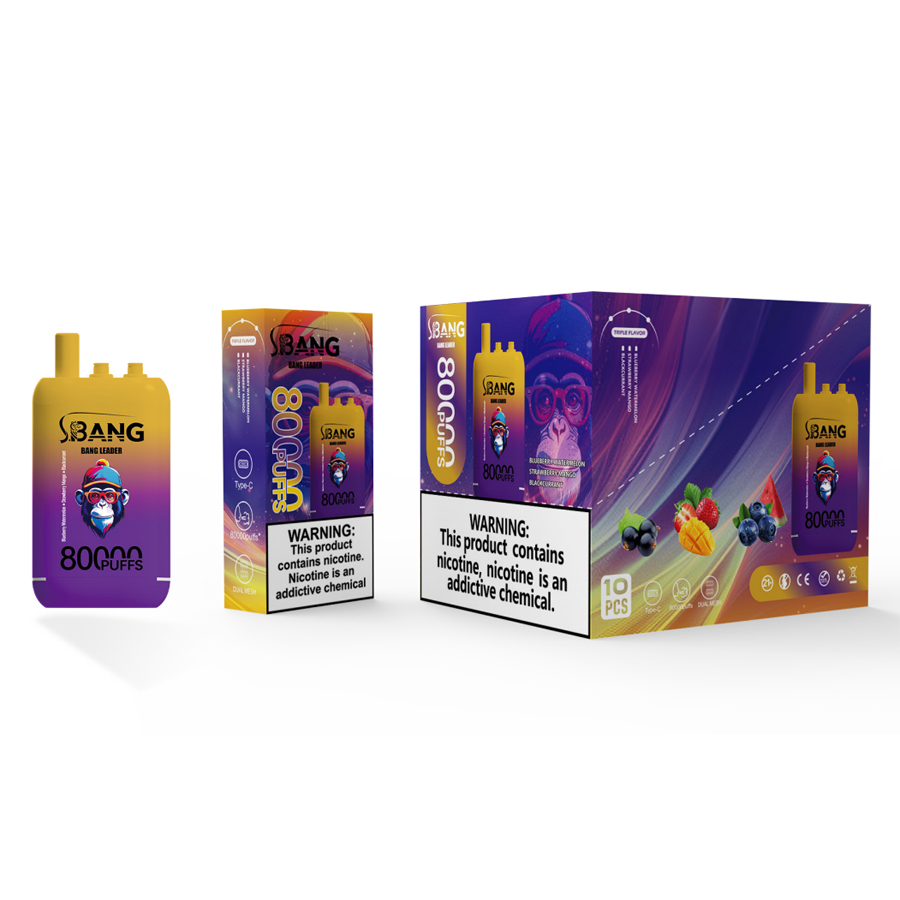
- Packaging Requirements: Child-resistant containers, leak-proof designs, and warnings such as “This product contains nicotine, which is a highly addictive substance” are mandatory.
- Notification Process: Manufacturers must submit detailed product information, including ingredients and emissions data, to regulatory authorities before market entry.
U.S. FDA Premarket Tobacco Product Application (PMTA)
In the U.S., the FDA requires e-liquid manufacturers to submit PMTAs, which include:
- Harm Assessment: Evidence demonstrating that the product reduces exposure to harmful chemicals compared to traditional cigarettes.
- Labeling and Marketing: Restrictions on misleading claims (e.g., “organic” or “FDA-approved”) and youth-targeted advertising.
- Good Manufacturing Practices (GMP): Compliance with GMP ensures consistent quality and prevents contamination during production.
China’s National Standard for E-Liquids
China, a major e-liquid producer, enforces standards covering:
- Nicotine Purity: Nicotine salts must be derived from tobacco leaves and meet a minimum purity threshold to reduce impurities.
- Additive Safety: Flavorings must comply with food-grade regulations, excluding substances like diacetyl, linked to lung disease.
- Production Environment: Factories must maintain cleanroom conditions with air filtration systems to minimize particulate contamination.
Ingredient Safety and Purity Requirements
Nicotine Source and Concentration
- Pharmaceutical-Grade Nicotine: E-liquids must use nicotine extracted from tobacco leaves or synthesized in laboratories, free from contaminants like tobacco-specific nitrosamines (TSNAs).
- Concentration Limits: Regulatory bodies cap nicotine levels to balance efficacy and safety. For example, the EU’s 20 mg/mL limit aligns with studies showing reduced toxicity at lower doses.
Propylene Glycol (PG) and Vegetable Glycerin (VG)
- Food-Grade Certification: PG and VG, the primary bases, must meet food safety standards (e.g., USP-grade in the U.S.) to ensure they are non-toxic when inhaled.
- Purity Testing: Manufacturers conduct gas chromatography-mass spectrometry (GC-MS) to detect residual solvents or heavy metals, such as lead or arsenic, which can cause respiratory issues.
Flavorings and Additives
- Approved List: Only flavorings deemed safe for inhalation by agencies like FEMA (Flavor and Extract Manufacturers Association) are permitted.
- Prohibited Substances: Diacetyl, a buttery flavoring linked to “popcorn lung,” and vitamin E acetate, associated with lung injuries, are banned globally.
Contaminant Testing
- Heavy Metals: E-liquids are tested for nickel, chromium, and cadmium, which can leach from heating coils. Limits are set at levels deemed safe for daily inhalation (e.g., ≤10 μg/kg for lead).
- Residual Solvents: Ethanol or acetone used during extraction must be removed to below detectable limits to prevent throat irritation.
Manufacturing Process and Facility Standards
Good Manufacturing Practices (GMP)
- Cleanroom Conditions: E-liquid production occurs in ISO 7-certified cleanrooms, where airborne particles are controlled to prevent contamination.
- Batch Tracking: Each production batch is assigned a unique identifier, enabling traceability in case of recalls or quality issues.
Equipment and Material Safety
- Stainless Steel Tanks: Non-reactive materials are used to store e-liquids, avoiding chemical leaching from plastics.
- Automated Filling Systems: These reduce human contact, minimizing the risk of microbial contamination or nicotine exposure to workers.
Quality Control Protocols
- In-Process Testing: Samples are taken at each production stage to verify ingredient ratios and pH levels.
- Final Product Analysis: Finished e-liquids undergo stability testing under accelerated conditions (e.g., high temperature) to predict shelf life and prevent degradation.
Packaging and Labeling Compliance
- Child-Resistant Designs: Packaging must meet standards like ISO 8317, requiring adult strength to open.
- Multilingual Warnings: Labels include health advisories in multiple languages, emphasizing nicotine addiction risks.
- Ingredient Transparency: A full ingredient list, including flavor names and chemical identifiers (e.g., CAS numbers), is mandatory to inform consumers and regulators.
Final Thoughts
Food-grade e-liquid certification standards are designed to prioritize consumer safety through rigorous ingredient testing, controlled manufacturing environments, and transparent labeling. By adhering to frameworks like the TPD, FDA PMTA, and China’s national standards, manufacturers can ensure their products meet global expectations for quality and harm reduction. For users, choosing certified e-liquids reduces exposure to harmful contaminants while supporting responsible industry practices. As regulations evolve, staying informed about compliance requirements remains essential for both producers and consumers.