
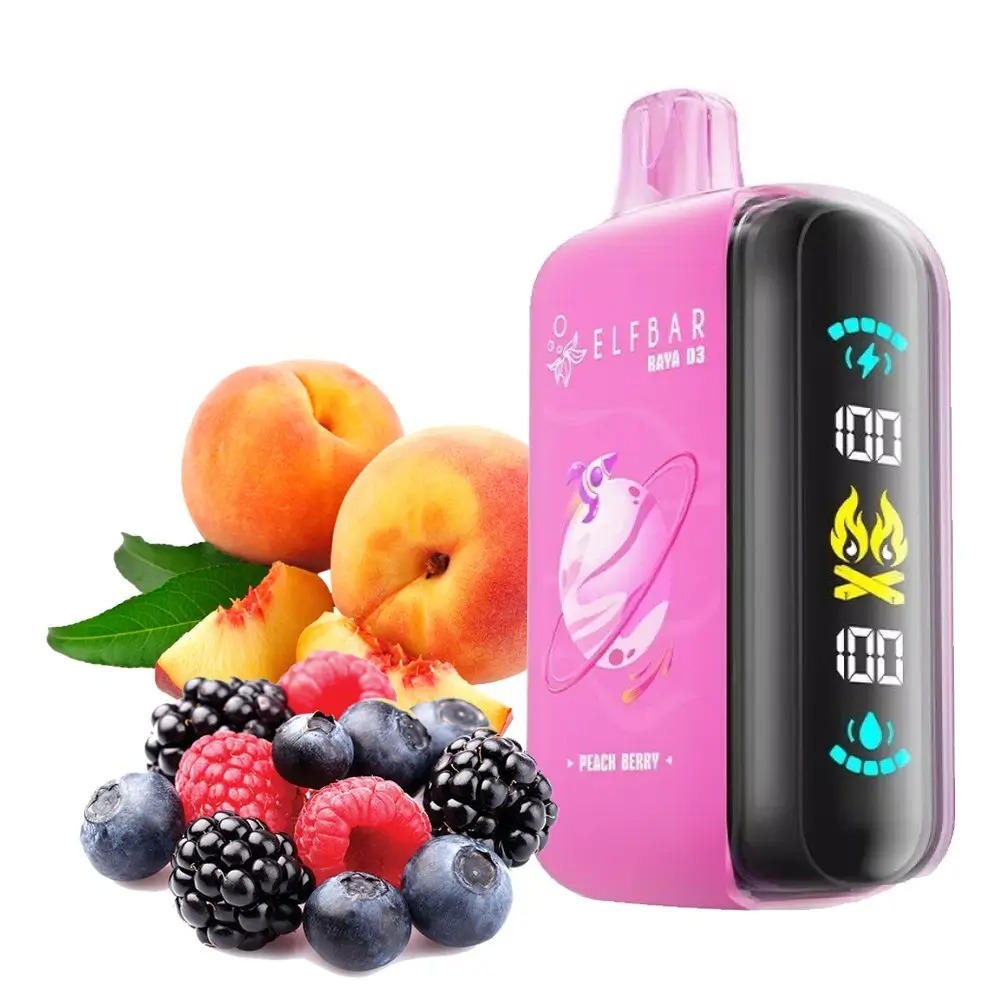
Authenticating E-Liquid: Practical Methods to Spot Counterfeits
The rise of counterfeit e-liquids poses risks to both safety and vaping experience. Unlike genuine products, fakes often use inferior ingredients, leading to harsh flavors, inconsistent performance, or even health hazards. Below are actionable strategies to verify authenticity without relying on brand-specific details.
Visual Inspection: Beyond Basic Packaging
Counterfeiters frequently mimic packaging, but subtle flaws reveal their origin. Start by examining the bottle’s label for spelling errors, uneven alignment, or faded colors. Authentic labels use high-quality materials that resist peeling or smudging, even when exposed to moisture.
Key Details to Check:
- Batch Codes: Genuine e-liquids display laser-etched batch numbers on the bottle or packaging. These codes are crisp and difficult to replicate, whereas counterfeit codes may appear printed or blurred.
- Seal Integrity: Look for tamper-evident seals on the bottle cap or neck. A broken or missing seal indicates potential tampering, a common issue with fakes.
- Bottle Design: High-quality bottles use thick, durable plastic or glass. If the bottle feels flimsy or the cap doesn’t screw on smoothly, it’s likely a counterfeit.
Technological Solutions: NFC and QR Codes
Many manufacturers now integrate NFC (Near Field Communication) chips or QR codes into packaging for instant verification. These tools connect users to a secure database, confirming the product’s origin and batch details.
How to Use Them:
- NFC Chips: Download the manufacturer’s app (if required) and tap your smartphone against the NFC-enabled label. The app will display authentication results and product information.
- QR Codes: Scan the code with a dedicated app or your phone’s camera. Ensure the URL matches the brand’s official website—counterfeit codes often redirect to fake domains.
- Dynamic Links: Some QR codes generate time-sensitive verification links. If the code expires quickly or leads to an error, it’s likely fraudulent.
Sensory Evaluation: Smell and Taste Tests
Counterfeit e-liquids often fail sensory checks due to poor ingredient quality. Genuine products balance flavor, aroma, and vapor production, while fakes may smell artificial or taste overly sweet.
Steps for Testing:
- Aroma Check: Open the bottle and inhale gently. Authentic e-liquids emit a natural, balanced scent matching their flavor profile (e.g., fresh berries for fruit flavors, earthy tones for tobacco). Overpowering or chemical-like odors suggest fakes.
- Vapor Quality: Fill a clean atomizer and take a slow puff. Genuine e-liquids produce smooth, consistent vapor without harshness. If the vapor tastes burnt, metallic, or leaves a lingering aftertaste, discard the product.
- Flavor Consistency: Compare the e-liquid’s taste to samples from authorized retailers. Counterfeits often lack depth, with flavors fading quickly or tasting “off” compared to genuine versions.
Purchasing from Authorized Retailers
The most reliable way to avoid counterfeits is to buy from trusted sources. Authorized retailers adhere to strict quality controls and often provide verification tools like NFC or batch databases.
Red Flags to Avoid:
- Unrealistic Discounts: If a deal seems too good to be true, it probably is. Counterfeiters lure buyers with low prices but compromise on safety and quality.
- Limited Product Information: Reputable sellers display detailed ingredient lists, nicotine strength, and safety warnings. Avoid vendors who obscure this data or use vague descriptions.
- No Return Policy: Genuine retailers offer refunds or exchanges for faulty products. Sellers refusing returns may be hiding counterfeit goods.
Final Thoughts
Authenticating e-liquids requires a mix of visual scrutiny, technological tools, and sensory evaluation. By combining these methods—checking packaging details, using NFC/QR codes, testing aroma and flavor, and purchasing from authorized sources—vapers can significantly reduce the risk of encountering counterfeits. Always prioritize safety over convenience, and report suspicious products to manufacturers or regulatory bodies to protect the community.