
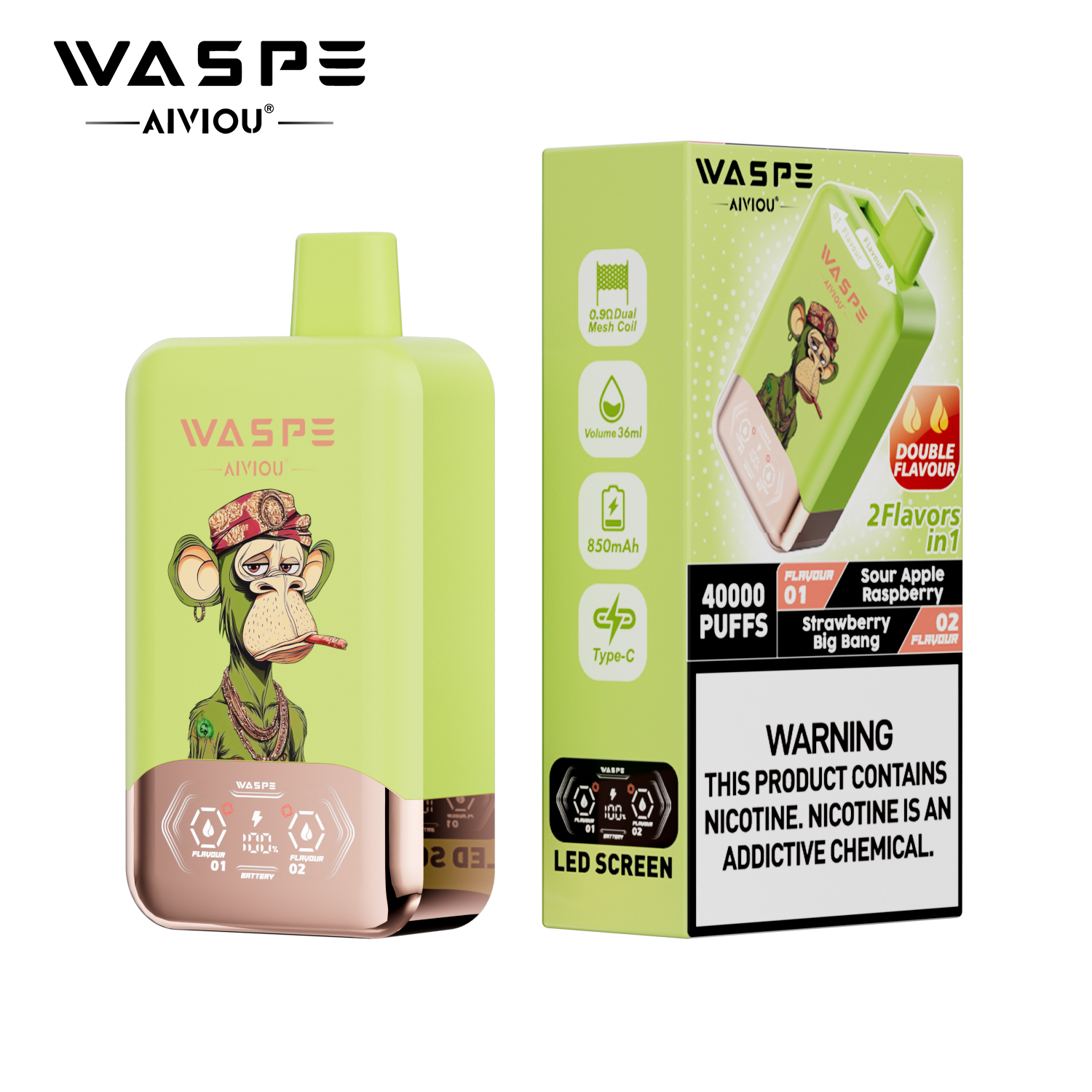
Indoor Vaping: Key Considerations for Safety and Etiquette
Vaping indoors requires awareness of health, safety, and social norms to minimize risks to yourself and others. While electronic cigarettes produce fewer combustion byproducts than traditional cigarettes, their aerosol can still contain nicotine, flavoring chemicals, and particulates that affect indoor air quality. Below are essential guidelines for responsible indoor vaping.
Understanding Indoor Air Quality Risks
Electronic cigarette aerosol is not harmless water vapor. Studies indicate it may contain volatile organic compounds, heavy metals, and nicotine residues that settle on surfaces, creating “thirdhand exposure” risks.
Impact on Vulnerable Groups:
- Children and Pregnant Women: Nicotine exposure, even secondhand, can harm fetal brain development and child cognitive function. Avoid vaping around them entirely.
- Pets: Animals have sensitive respiratory systems. Aerosol particles can irritate their lungs, and nicotine ingestion from discarded e-liquids is toxic. Store supplies out of reach.
- Asthma or Allergy Sufferers: Flavoring chemicals like diacetyl (linked to lung disease) may trigger symptoms. If co-living with such individuals, prioritize their comfort by vaping outdoors.
Ventilation Matters:
Even in well-ventilated rooms, aerosol particles linger. Use air purifiers with HEPA filters and open windows when possible to reduce concentration. Avoid vaping in small, enclosed spaces like bathrooms or cars.
Adhering to Legal and Social Restrictions
Many regions treat electronic cigarettes like traditional tobacco under smoking bans. Ignoring these rules risks fines and social conflict.
Common Prohibited Areas:
- Public Buildings: Hospitals, schools, government offices, and libraries often ban vaping entirely, regardless of ventilation.
- Workplaces: Office policies may restrict vaping to designated outdoor areas. Check your employer’s handbook to avoid violations.
- Multi-Unit Housing: Apartments and condos with shared ventilation systems may prohibit vaping to prevent aerosol drift between units.
Respect Non-Vapers’ Preferences:
Even where legal, ask permission before vaping in others’ homes or private spaces. Some people dislike the smell or potential health effects. If someone requests you stop, comply gracefully.
Device Safety and Maintenance
Electronic cigarettes rely on lithium-ion batteries, which pose fire risks if mishandled. Proper care reduces hazards.
Battery Safety Tips:
- Avoid Overcharging: Unplug devices once fully charged. Overheating batteries can explode or leak.
- Use Original Chargers: Generic chargers may deliver incorrect voltage, damaging batteries.
- Store Properly: Keep spare batteries in protective cases to prevent short circuits. Never carry loose batteries in pockets with coins or keys.
Preventing Leaks and Spills:
- Check Seals: Ensure the tank or pod is securely attached to avoid e-liquid leaks onto furniture or floors.
- Transport Upright: Keep devices vertical in bags to prevent fluid seepage.
- Clean Spills Immediately: E-liquids contain nicotine, which is toxic if ingested. Wear gloves and wipe surfaces thoroughly with soapy water.
Handling E-Liquids Responsibly
E-liquids pose poisoning risks, especially to children and pets. Safe storage and usage are critical.
Storage Guidelines:
- Out of Reach: Store bottles in locked cabinets or high shelves, away from food and medications.
- Original Containers: Keep e-liquids in child-resistant packaging. Never transfer to soda bottles or food containers.
- Label Clearly: Mark bottles with contents and nicotine strength to prevent accidental ingestion.
First Aid for Accidents:
- Ingestion: If a child or pet swallows e-liquid, call emergency services immediately. Do not induce vomiting unless directed by professionals.
- Skin Contact: Rinse affected areas with water for 15 minutes. Seek medical attention if irritation persists.
- Eye Exposure: Flush eyes with water for 20 minutes and contact a poison control center.
Final Thoughts
Indoor vaping demands a balance between personal preference and collective responsibility. By prioritizing ventilation, respecting restrictions, maintaining devices safely, and handling e-liquids carefully, you can enjoy vaping without endangering others. Always stay informed about local laws and evolving research on vaping’s health impacts to make informed choices.