
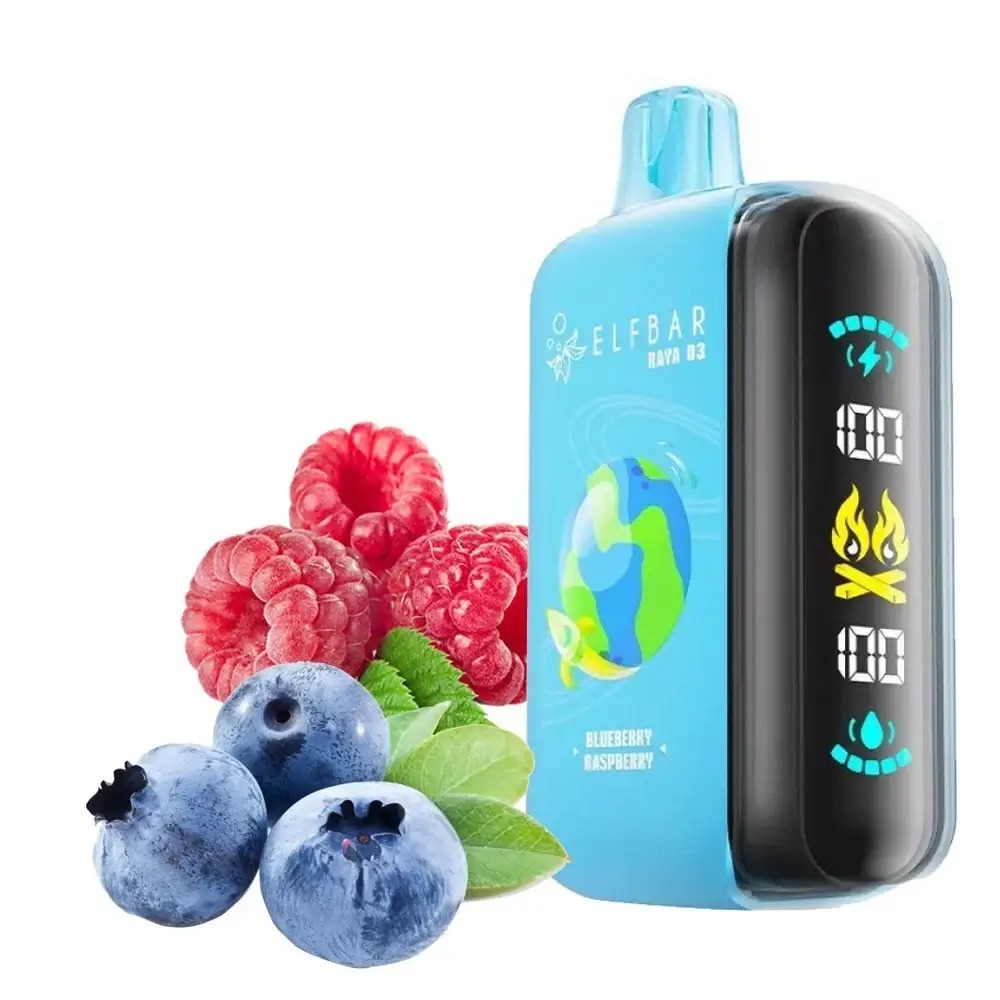
Enhancing Stage Performance Effects with Vapor Devices: A Guide to Creative Integration
Stage performances thrive on visual spectacle, and vapor-based effects have emerged as a versatile tool for directors and performers seeking to elevate their productions. Whether through choreographed smoke patterns, interactive lighting, or narrative-driven illusions, these devices offer a bridge between technical innovation and artistic expression. Below, we explore how to maximize their impact while adhering to safety and creative standards.
Crafting Atmospheric Depth with Vapor Dynamics
Layering Light and Mist for Immersive Scenes
The interplay between vapor and lighting is foundational to creating mood. When vapor particles scatter light, they transform flat beams into three-dimensional columns, adding depth to settings like enchanted forests or futuristic cities. For instance, a single spotlight directed through a thin veil of vapor can mimic sunlight piercing morning fog, while colored gels applied to the same light source can shift the tone to mystical or eerie.
Performers often use controlled vapor bursts to highlight movements. A dancer leaping through a targeted mist plume can appear to dissolve and reappear, creating a magical transition. Similarly, in theatrical duels, vapor trails from “sword strikes” (achieved via timed releases) can visualize energy clashes without physical props.
Synchronizing Vapor with Music and Choreography
Rhythm-driven performances benefit from vapor effects that align with beats or lyrics. A hip-hop routine might incorporate rapid, short vapor puffs during staccato verses, transitioning to sustained clouds for melodic choruses. This dynamic contrast keeps visuals engaging and prevents monotony.
Choreographers can also use vapor to signal transitions. A sudden release of dense mist could mark the start of a climactic scene, while a gradual dispersion might signal resolution. In musical theater, vapor paired with ascending melodies can visually represent emotional uplift, enhancing the audience’s connection to the narrative.
Technical Considerations for Safe and Effective Use
Understanding Device Mechanics and Limitations
Not all vapor devices are created equal. Professional-grade systems use heated glycerin or oil-based solutions to produce dense, long-lasting clouds, ideal for large stages. Smaller, battery-powered units—often mistaken for consumer vapes—are better suited for close-up shots or intimate venues. Key differences include output volume, battery life, and heat management.
For example, a device designed for short bursts may overheat if forced into continuous use, risking malfunction. Conversely, high-capacity systems require proper ventilation to avoid fog accumulation, which can obscure visibility or trigger safety alarms. Testing devices in rehearsal spaces that mimic performance conditions is crucial to identifying compatibility issues.
Mitigating Health and Safety Risks
While vapor effects are generally safer than pyrotechnics, they’re not risk-free. Inhaling concentrated vapor, even from non-nicotine solutions, may irritate respiratory systems, particularly for performers with preexisting conditions. To minimize exposure, crews should:
- Limit individual usage time (e.g., 10-minute intervals with breaks).
- Provide masks for performers during prolonged exposure.
- Ensure proper ventilation in enclosed spaces.
Electrical safety is another priority. Devices with damaged cords or overheated batteries pose fire hazards. Regular inspections and adherence to manufacturer guidelines—such as avoiding overcharging or using incompatible power sources—are non-negotiable.
Creative Applications Across Performance Genres
Theatrical Drama: Enhancing Emotional Resonance
In plays, vapor can symbolize internal states or external forces. A character’s descent into despair might be visualized through a gradual darkening of the stage via gray-tinted vapor, while a moment of revelation could be punctuated by a burst of golden mist. Directors often use vapor to externalize emotions, making abstract themes tangible.
For example, in a scene depicting a haunted house, uneven vapor releases combined with flickering lights can create an unsettling, erratic atmosphere. Conversely, a steady, upward-drifting vapor stream might represent a character’s ascent to enlightenment.
Dance and Aerial Arts: Adding Fluidity to Motion
Choreographers leverage vapor to emphasize fluidity and grace. Aerial dancers performing spins or drops can create trailing vapor patterns that accentuate their movements, making each gesture more visually striking. Ground-based routines might use vapor to simulate environmental elements, like water or wind, without physical props.
In contemporary dance, vapor can define spatial boundaries. A dancer moving through a confined vapor cloud might appear trapped, while breaking free into clear air could symbolize liberation. This visual metaphor adds layers to storytelling without relying on dialogue.
Concerts and Music Videos: Amplifying Visual Spectacle
Music performances thrive on spectacle, and vapor effects are a staple for creating iconic moments. Artists might exhale vapor rings during slow ballads, contrasting with explosive vapor bursts during high-energy drops. In music videos, vapor can transform ordinary locations into surreal landscapes—a city street enveloped in pink mist, for instance, or a desert scene bathed in blue fog.
Collaborations with lighting designers are key here. Vapor reacts differently to colored lights; warm tones (reds, oranges) make vapor appear denser, while cool tones (blues, purples) create a wispy, ethereal effect. By adjusting both vapor density and light angles, crews can craft ever-changing backdrops that keep audiences engaged.
Conclusion: Balancing Innovation with Responsibility
Vapor devices offer a world of creative possibilities, but their success hinges on thoughtful integration. By prioritizing technical knowledge, safety protocols, and genre-specific techniques, performers and directors can transform ordinary stages into immersive worlds. The key lies in viewing vapor not as a standalone effect but as a collaborative element that enhances storytelling, movement, and emotion. With careful planning, even the simplest vapor release can become a memorable moment in performance history.