
Health Risks of E-Cigarettes: A Comprehensive Analysis for Vulnerable Populations
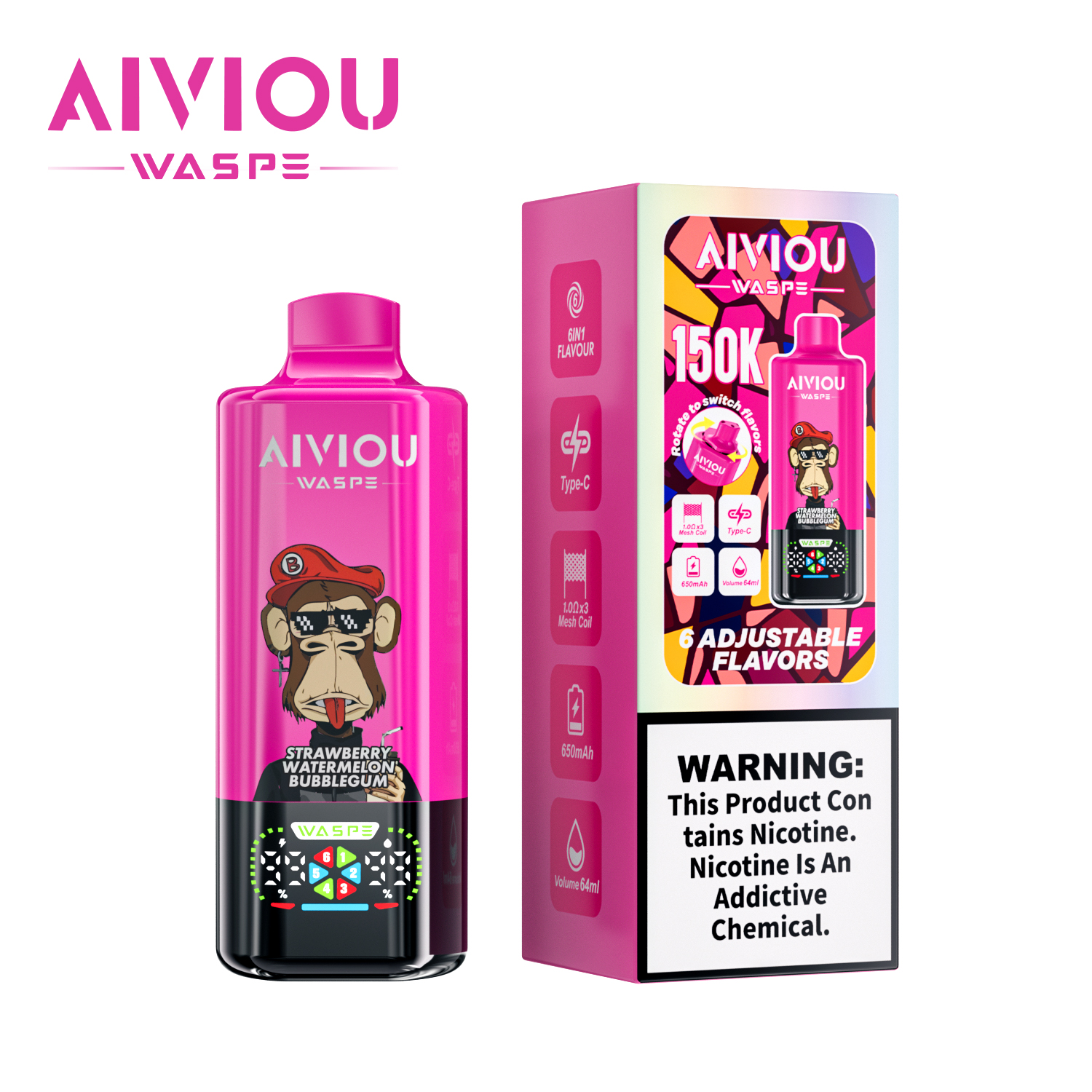
E-cigarettes, often marketed as “safer alternatives” to traditional tobacco, have emerged as a public health concern due to their unique risks, particularly for vulnerable groups. While debates persist about their long-term effects, mounting evidence highlights severe health implications across multiple systems. This analysis explores these risks, emphasizing populations requiring heightened caution.
Respiratory System Vulnerabilities
E-cigarette aerosols contain harmful substances such as formaldehyde, acetaldehyde, and volatile organic compounds (VOCs), which irritate respiratory mucosa. Studies indicate that prolonged inhalation can lead to chronic cough, bronchitis, and exacerbated asthma symptoms. For instance, a 2020 U.S. Centers for Disease Control and Prevention (CDC) report linked vitamin E acetate—a common additive in vaping products—to severe lung injuries, including eosinophilic pneumonia.
Youth and adolescents face amplified risks due to developing lungs. Research shows that vaping during adolescence increases the likelihood of chronic obstructive pulmonary disease (COPD) later in life by 300%. Flavoring agents like diacetyl, found in many e-liquids, are associated with bronchiolitis obliterans, an irreversible lung condition.
Cardiovascular System Threats
Nicotine, a primary component in most e-cigarettes, stimulates the sympathetic nervous system, causing immediate spikes in heart rate and blood pressure. Within 30 minutes of use, vascular endothelial function deteriorates, reducing blood flow and increasing arterial stiffness. Long-term exposure accelerates atherosclerosis, raising the risk of myocardial infarction and stroke. A 2025 study in the Journal of the American Heart Association found that e-cigarette users had a 40% higher incidence of coronary artery disease compared to non-users.
Pregnant women are particularly vulnerable, as nicotine crosses the placental barrier, constricting fetal blood vessels and reducing oxygen supply. This increases the risk of low birth weight, preterm birth, and sudden infant death syndrome (SIDS). Even low-dose exposure during pregnancy correlates with long-term cardiovascular issues in offspring, such as hypertension in adulthood.
Oral Health and Systemic Consequences
E-cigarette vapor disrupts oral microbiome balance, promoting pathogenic bacteria growth linked to gingivitis and periodontitis. Chemicals like propylene glycol and glycerin dehydrate oral tissues, reducing saliva production and increasing cavity risk. A 2024 study in the Journal of Dental Research reported that vapers had a 27% higher prevalence of dental caries than non-users.
Flavoring agents pose additional risks. Cinnamaldehyde, used in cinnamon-flavored e-liquids, triggers cell death in oral epithelial cells, while menthol irritates mucous membranes, worsening symptoms for those with pre-existing conditions like oral lichen planus. Heavy metal particles from heating coils, such as nickel and chromium, may accumulate in oral tissues, potentially causing DNA damage.
Neurodevelopmental and Mental Health Risks
Adolescent brains are particularly susceptible to nicotine’s neurotoxic effects. The prefrontal cortex, responsible for decision-making and impulse control, remains underdeveloped until the mid-20s. Nicotine exposure during this period disrupts synaptic pruning, leading to cognitive deficits, including impaired memory and attention. A 2025 longitudinal study found that teens who vaped scored 15% lower on standardized tests than non-users, with effects persisting into early adulthood.
Mental health is also impacted. Nicotine withdrawal symptoms—irritability, anxiety, and insomnia—can exacerbate underlying conditions like depression and anxiety disorders. The act of vaping itself may serve as a coping mechanism, creating a cycle of dependence. Data from the National Institute on Drug Abuse (NIDA) shows that dual users (those who vape and smoke) have a 60% higher rate of psychiatric hospitalizations than those who use neither.
Special Considerations for High-Risk Groups
Pregnant Women: Beyond cardiovascular risks, nicotine exposure during pregnancy is linked to neurobehavioral deficits in children, including hyperactivity and learning disabilities. The American College of Obstetricians and Gynecologists (ACOG) explicitly advises against all nicotine products during pregnancy.
Individuals with Chronic Conditions: Those with diabetes, hypertension, or respiratory diseases face compounded risks. For example, vaping can destabilize blood sugar levels in diabetics and trigger asthma attacks in asthmatics. A 2025 case study highlighted a 45-year-old COPD patient who experienced acute respiratory failure after switching to e-cigarettes, underscoring the dangers of perceived “harm reduction.”
Low-Income and Marginalized Communities: These groups often lack access to accurate information and healthcare resources, making them targets for predatory marketing. A 2024 survey found that 35% of low-income youth initiated vaping due to aggressive social media ads, compared to 12% in higher-income brackets. Language barriers and cultural stigma further hinder cessation efforts in immigrant populations.
Addressing Misconceptions and Policy Gaps
Despite claims of harm reduction, e-cigarettes are not a safe alternative. A 2025 Cochrane Review concluded that while they may aid smoking cessation in some adults, their risks outweigh benefits for non-smokers and youth. Policymakers must prioritize:
- Flavor Bans: Removing candy and fruit flavors reduces youth appeal, as seen in the EU’s 2024 Tobacco Products Directive.
- Marketing Restrictions: Limiting ads near schools and on platforms popular with teens, similar to Canada’s 2025 regulations.
- Equitable Access to Cessation Resources: Subsidizing nicotine replacement therapies and counseling in underserved areas.
Conclusion: A Call for Precaution and Evidence-Based Action
The health risks of e-cigarettes are multifaceted and disproportionately affect vulnerable populations. While research continues to evolve, current evidence demands urgent action to protect public health. Individuals, especially youth and those with chronic conditions, should avoid e-cigarette use entirely. Healthcare providers must screen for vaping habits and offer tailored cessation support, while policymakers must enforce stricter regulations to curb access and appeal. Until definitive long-term data emerges, caution remains the best defense against emerging threats.