
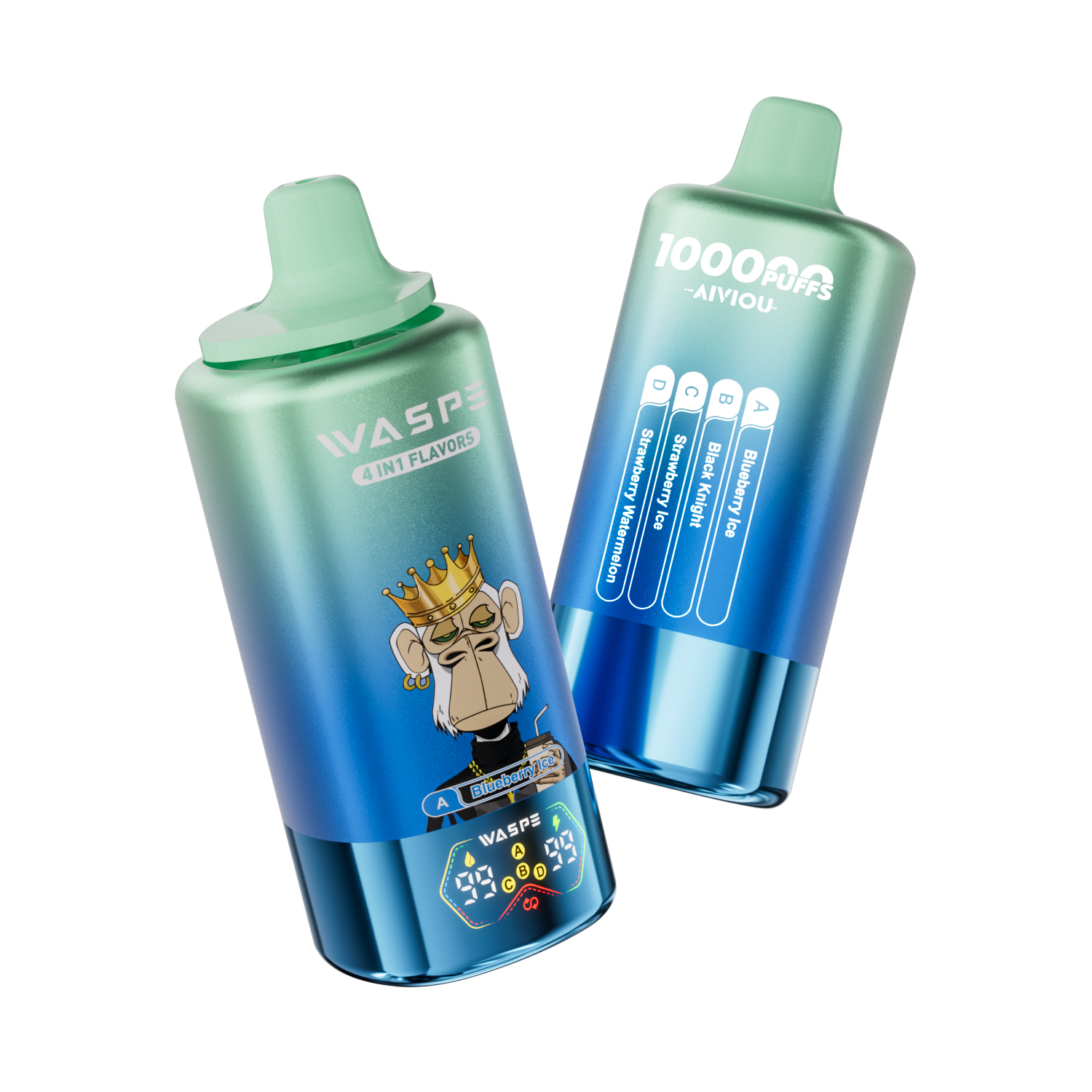
How to Repair Scratches on E-Cigarette Shells
E-cigarette shells, often made of materials like plastic, metal, or glass, are prone to scratches due to daily use. While minor scratches may not affect functionality, they can detract from the device’s appearance. Here’s a practical guide to repairing scratches on e-cigarette shells, tailored to different materials and scratch severity.
Understanding Shell Materials and Scratch Types
E-cigarette shells are crafted from diverse materials, each with unique properties that influence repair methods. Plastic shells, commonly made of ABS, PC, or PCTG, are lightweight and cost-effective but susceptible to surface scratches. Metal shells, such as aluminum or stainless steel, offer durability but may develop deeper gouges. Glass shells, though rare, are fragile and prone to cracks.
Scratches vary in depth and visibility. Surface-level scratches, often caused by contact with keys or coins, are shallow and can be polished away. Deeper scratches, resulting from drops or impacts, may require more intensive repair or concealment. Identifying the scratch type helps select the appropriate repair strategy.
Repairing Minor Scratches on Plastic Shells
For minor scratches on plastic e-cigarette shells, household items like toothpaste or baking soda can serve as effective polishing agents. Toothpaste contains mild abrasives that smooth out shallow scratches without damaging the surface. Apply a small amount of toothpaste to a soft, lint-free cloth and gently rub the scratch in a circular motion for 1-2 minutes. Wipe away residue with a damp cloth and dry thoroughly.
Baking soda, mixed with water to form a paste, offers a similar abrasive effect. Apply the paste to the scratch, rub gently, and rinse clean. For transparent plastic shells, avoid abrasive materials that may cloud the surface. Instead, use a plastic polish designed for automotive or eyeglass lenses, following the manufacturer’s instructions for optimal results.
Addressing Deeper Scratches on Metal Shells
Deeper scratches on metal e-cigarette shells, such as aluminum or stainless steel, require more advanced techniques. Metal polishing compounds, available in cream or liquid form, contain fine abrasives that gradually remove material to level the surface. Apply a small amount of compound to a microfiber cloth and rub the scratch in a back-and-forth motion, applying increasing pressure as needed. Wipe away residue and buff the area with a clean cloth to restore shine.
For stubborn scratches, sanding may be necessary. Start with fine-grit sandpaper (e.g., 1000-grit) and lightly sand the scratch in the direction of the grain. Progress to higher grits (e.g., 2000-grit) for a smoother finish. After sanding, apply a metal polish to restore luster. Exercise caution to avoid over-sanding, which can create uneven surfaces or remove protective coatings.
Concealing Scratches with Creative Solutions
When repair isn’t feasible or desired, concealing scratches offers a quick aesthetic fix. Decorative stickers or skins, designed for e-cigarettes, can cover scratches while adding a personalized touch. These accessories come in various colors, patterns, and textures, allowing users to customize their devices.
For transparent plastic shells, transparent nail polish or clear coat spray can fill shallow scratches and create a smooth surface. Apply a thin layer over the scratch, allow it to dry, and buff gently with a soft cloth. This method is temporary and may require reapplication over time, but it provides a cost-effective solution for minor imperfections.
Preventing Future Scratches
Preventing scratches is as important as repairing them. Using a protective case or silicone sleeve can shield the e-cigarette from daily wear and tear. Avoid placing the device in pockets or bags with sharp objects like keys or coins. When cleaning, use a soft, non-abrasive cloth to avoid scratching the surface. Regular maintenance, such as wiping down the device after use and storing it in a safe place, can extend its lifespan and preserve its appearance.
For glass shells, handle with care to prevent drops or impacts. Consider using a lanyard or neck strap to secure the device during use. If the glass develops cracks or chips, discontinue use immediately and seek professional repair or replacement to avoid injury.