
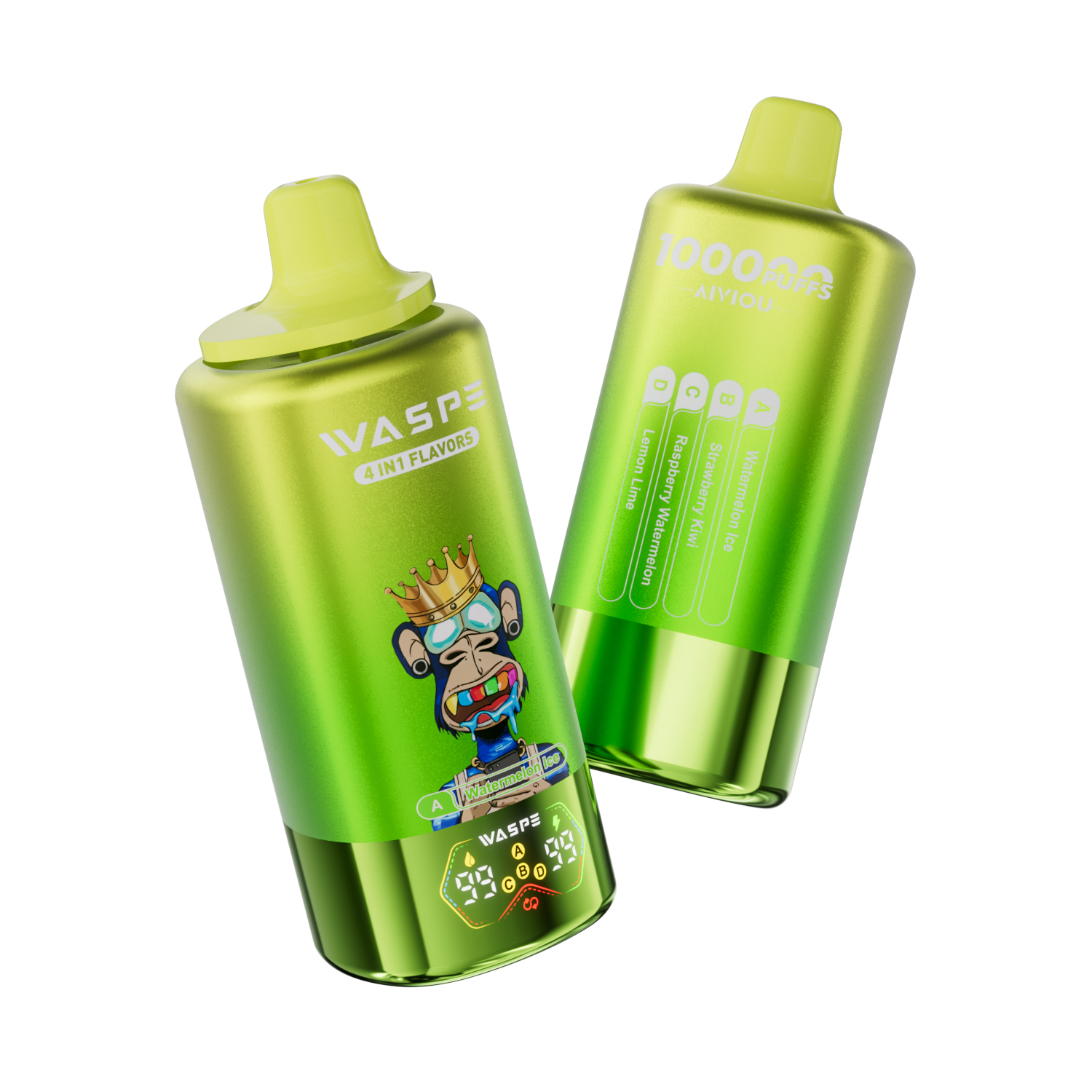
Long-Term Storage Tips for Electronic Cigarettes: Preserving Performance and Safety
Proper long-term storage of electronic cigarettes is essential to prevent degradation of components, maintain battery health, and ensure safe operation when reused. Whether storing devices for seasonal breaks, travel, or backup purposes, following these guidelines will help extend their lifespan and functionality.
Preparing the Device for Storage: Cleaning and Disassembly
Before storing an electronic cigarette, thorough preparation minimizes risks like corrosion, mold growth, or battery leakage.
Cleaning All Components
Start by disassembling the device into its core parts: battery, tank or pod, coil, mouthpiece, and casing. Use a dry microfiber cloth to wipe down the exterior, removing dust, fingerprints, and residue. For the tank or pod, rinse it with warm water (avoid hot water, which can warp plastic) and let it air-dry completely. If the coil is removable and has been used, replace it with a new one before storage to prevent dried e-liquid from clogging the wick.
Removing E-Liquid Residue
E-liquid left in the tank or pod can crystallize or attract contaminants over time. After rinsing, tilt the tank at a 45-degree angle and gently tap it to drain any remaining liquid. Use a cotton swab to clean hard-to-reach areas, such as the base of the coil or airflow channels. Ensure no moisture remains, as trapped liquid can lead to bacterial growth or corrosion.
Disconnecting the Battery
For devices with removable batteries, take out the battery and store it separately. If the battery is integrated, power off the device via the button (if possible) to prevent accidental activation. Integrated batteries should be stored at around 50% charge to balance capacity retention and stress reduction.
Optimal Storage Conditions: Temperature, Humidity, and Light Control
The environment plays a critical role in preserving electronic cigarettes during long-term storage.
Temperature Stability
Extreme temperatures, both hot and cold, can damage batteries and plastic components. Store devices in a climate-controlled space with temperatures between 15°C and 25°C (59°F–77°F). Avoid attics, garages, or cars, where temperatures can fluctuate drastically. For example, a closet or desk drawer in a temperature-regulated room is ideal.
Humidity Management
High humidity encourages mold growth and corrosion, while low humidity can dry out rubber seals or gaskets. Aim for a relative humidity level of 40–60%. Use desiccant packets (silica gel) placed near the device to absorb excess moisture. If storing in a particularly humid area, consider a sealed plastic container with desiccants to create a controlled microenvironment.
Light Exposure
Direct sunlight can fade plastic casings, degrade e-liquid (if stored with the device), and overheat batteries. Store devices in a dark place, such as a drawer or opaque container. If using a clear container, wrap it in a cloth or place it in a cabinet to block light.
Battery Maintenance During Storage: Charge Level and Physical Protection
Batteries are the most vulnerable component during long-term storage. Proper care prevents capacity loss, swelling, or leakage.
Storing Removable Batteries
For removable lithium-ion batteries, store them at 40–60% charge. A fully charged battery degrades faster, while a completely drained one may become irreversibly damaged. Use a plastic battery case to prevent short circuits caused by contact with metal objects like keys or coins. Label batteries with their charge date to track storage duration.
Protecting Integrated Batteries
Devices with built-in batteries should be powered off and stored at 50% charge. Every 3–4 months, briefly power on the device to check the battery level. If it drops below 20%, recharge it to 50% to avoid deep discharge damage. Avoid leaving the device plugged in, as overcharging can strain the battery.
Physical Battery Safety
Never store batteries near flammable materials or in pockets with loose change. If storing multiple batteries, ensure their terminals are insulated with tape or plastic caps to prevent accidental contact. For added safety, place batteries in a fireproof bag or container designed for lithium-ion storage.
Post-Storage Checks Before Reuse: Functionality and Safety Verification
Before using a stored electronic cigarette, thorough testing ensures it operates safely and efficiently.
Inspecting for Physical Damage
Check the battery for swelling, leaks, or corrosion on the contacts. If the battery appears damaged, dispose of it properly and replace it with a new one. Examine the device’s casing for cracks, warping, or discoloration, which may indicate heat or moisture exposure.
Testing Battery Performance
Insert the battery (or recharge the integrated one) and power on the device. Monitor voltage levels using a multimeter or the device’s built-in display (if available). A healthy battery should hold a charge close to its original capacity. If the device fails to power on or drains rapidly, the battery may need replacement.
Verifying Component Functionality
Reassemble the device and test each part:
- Buttons: Ensure they respond smoothly without sticking.
- Airflow: Check that vents are unobstructed and airflow is consistent.
- Vapor production: Install a new coil and fill the tank with fresh e-liquid. Inhale gently to confirm even heating and no burnt taste.
If any issues arise, disassemble the device again and recheck connections or clean components before retrying.
Long-Term Storage Alternatives: Short-Term vs. Extended Solutions
The approach to storage varies based on duration and frequency of use.
Short-Term Storage (1–3 Months)
For brief breaks, follow the basic preparation steps: clean the device, disconnect the battery (if removable), and store it in a cool, dry place. No need for desiccants or frequent battery checks, but avoid leaving it in a car or sunny windowsill.
Extended Storage (3+ Months)
For longer periods, implement all the advanced measures: desiccants, controlled charge levels, and physical battery protection. Schedule monthly checks to monitor battery health and component integrity. Consider rotating backup devices to prevent any single one from sitting unused for too long.
By adhering to these guidelines, users can ensure their electronic cigarettes remain in optimal condition, ready for safe and reliable use whenever needed.