
The Symbolic Universe of Vaping Subculture: From Hardware to Identity
The rise of vaping has spawned a distinct subculture that transcends its function as a smoking alternative. This community thrives on a shared lexicon, aesthetic preferences, and rituals that distinguish it from mainstream consumer culture. Below, we explore the symbolic elements that define this subculture’s identity.
Hardware as Artifacts of Self-Expression
Vaping devices are not merely tools; they are canvases for personalization. Enthusiasts often modify their setups with custom coils, hand-wrapped to precise resistances, or rare cotton wicks to optimize vapor production. The term “mod”—short for modification—originated from users hacking early e-cigarettes to enhance performance, evolving into a category of devices that prioritize customization. These mods, often featuring LED displays and ergonomic designs, serve as status symbols within the community, with intricate builds signaling technical expertise.
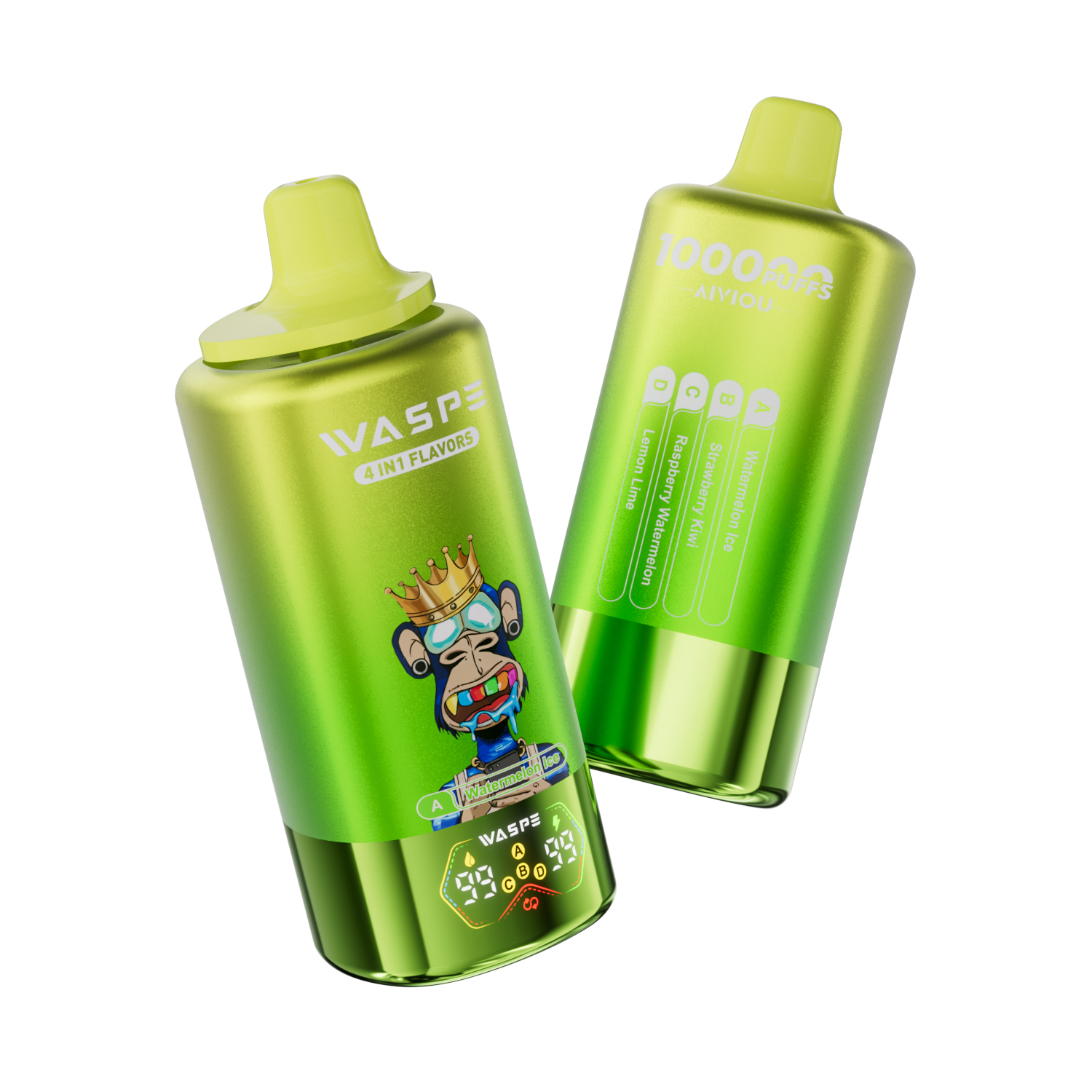
Aesthetic choices further reinforce identity. Neon-lit vape shop signage, reminiscent of retro diners, creates an immersive environment for enthusiasts. Vector illustrations of vapor clouds or stylized “Vape” logos dominate merchandise, from T-shirts to phone cases, transforming the act of vaping into a visual statement. Even disposable devices, designed for one-time use, are repurposed as collectibles, with users trading limited-edition packaging as tokens of belonging.
Linguistic Innovation: The Secret Code of Vapers
The subculture’s slang acts as a linguistic barrier, distinguishing insiders from outsiders. Terms like “rip” (a deep inhale) or “ghost” (exhaling minimal vapor to appear stealthy) encode shared experiences. Flavor preferences spawn tribal affiliations: “Mint Gang” and “Mango Gang” unite users around specific e-liquid tastes, while “dank vapes”—a term coined during the 2019 lung injury crisis—now ironically references counterfeit THC cartridges.
Competitions and tricks, such as “blowing Os” or creating tornado-shaped vapor, elevate vaping into a performance art. These rituals, often showcased on platforms like YouTube or TikTok, blur the line between hobby and spectacle. The phrase “Vape Nation,” popularized by comedic sketches, has been reclaimed by the community as a badge of pride, symbolizing unity through shared creativity.
Gendered Dynamics and Subcultural Tensions
Vaping’s subculture is predominantly male-dominated, with its roots in DIY engineering and mechanical tinkering. This masculine aesthetic—evident in rugged device designs or skull-themed logos—creates an exclusionary environment for women and non-binary individuals. Studies note that female vapers often face stigma, with their participation framed as “inappropriate” or performative, contrasting with male enthusiasts’ perceived authenticity.
The industry’s struggle between subcultural authenticity and mainstream commercialization exacerbates these tensions. Tobacco companies, attempting to co-opt vaping’s rebellious image, face backlash from purists who view corporate involvement as a betrayal of the community’s origins. Meanwhile, price-driven consumers prioritize affordability over customization, further fragmenting the subculture into niche groups defined by device complexity or flavor preferences.
Health Controversies and Ethical Dilemmas
The subculture’s identity is also shaped by ongoing debates over safety. While many users champion vaping as a harm-reduction tool, incidents like the EVALI outbreak—linked to vitamin E acetate in illicit THC cartridges—have sparked distrust. Enthusiasts often counter with anecdotal evidence of improved lung function after switching from smoking, creating a polarized discourse around risk perception.
Ethical concerns also arise from environmental impact. Disposable vapes, though convenient, contribute to electronic waste, prompting some users to advocate for reusable devices. This tension between convenience and sustainability reflects broader subcultural values, where individualism clashes with collective responsibility.
The vaping subculture is a microcosm of modern identity formation, where hardware, language, and social dynamics converge to create a world apart. Its symbols—from customized mods to secret slang—serve as both tools of connection and markers of exclusion, revealing the complexities of a community in constant evolution.