
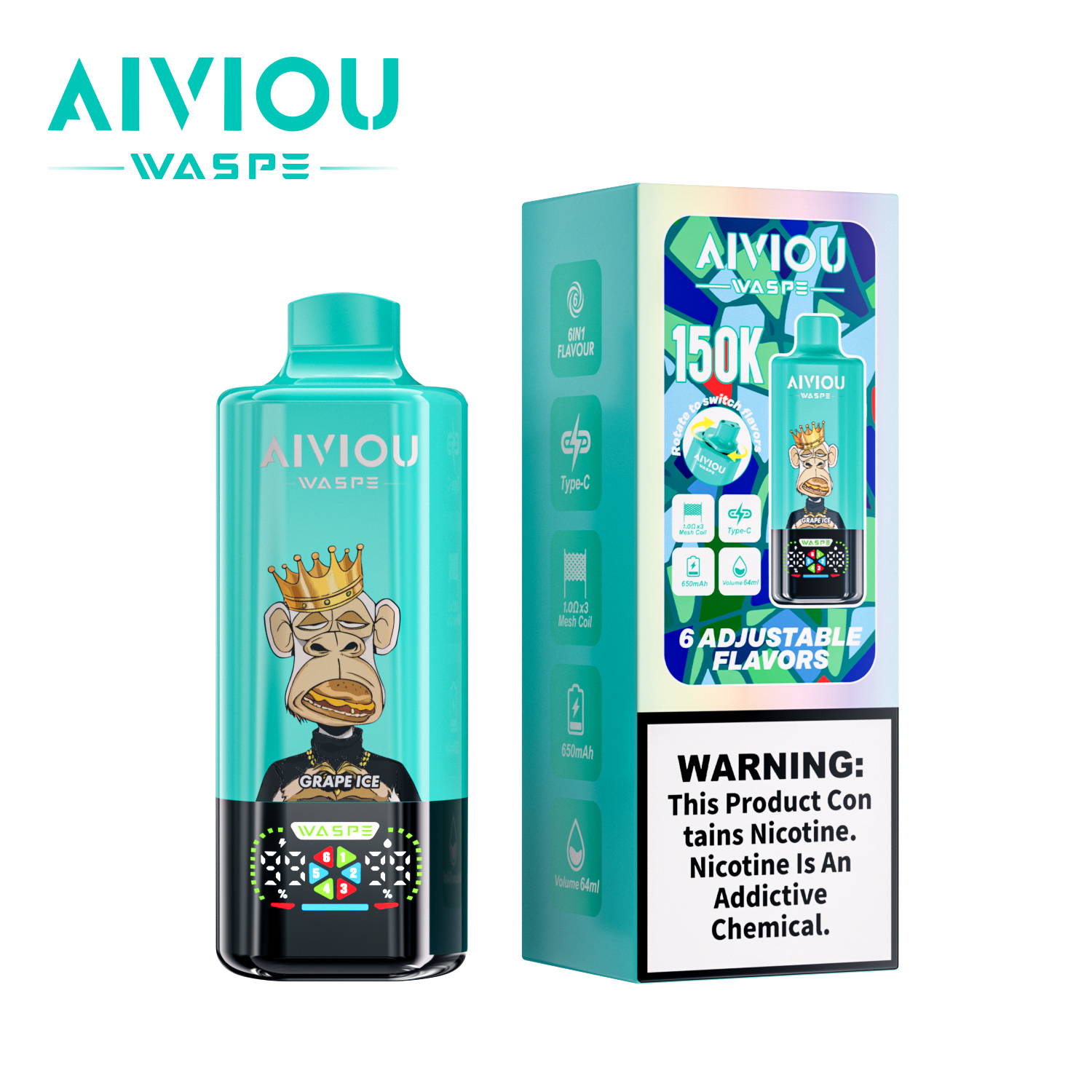
Health-Conscious Guide to Vaping: Usage Tips and Safety Precautions
Vaping has emerged as a popular alternative to traditional smoking, but its health implications demand responsible usage. This guide outlines evidence-based practices to minimize risks, covering device handling, health considerations, and long-term safety strategies.
Proper Device Handling and Maintenance
Battery and Charging Protocols
Electronic cigarettes rely on lithium-ion batteries, which require careful management to avoid hazards. Always use the original charger provided with the device, as third-party alternatives may cause overheating or short circuits. Charging times typically range between 1.5–2 hours, and users should disconnect the device immediately after the indicator light signals a full charge. Overcharging can degrade battery life and increase explosion risks. Store batteries in cool, dry environments away from direct sunlight, and avoid exposing them to temperatures exceeding 25°C (77°F), such as inside parked cars.
Cleaning and Storage Practices
Regular maintenance prevents malfunctions and extends device lifespan. Wipe the exterior with a dry cloth to remove residue, avoiding water or cleaning agents that may damage internal components. For reusable models, disassemble the tank and rinse it with warm water every 1–2 weeks, ensuring all parts are completely dry before reassembly. Store devices upright with the mouthpiece facing upward to prevent e-liquid leakage, which can occur if the device is left horizontal or inverted for extended periods.
Avoiding Common Misuse Scenarios
Mishandling vaping devices often leads to performance issues or health risks. Never inhale directly from the tank without a functioning coil, as dry hits produce toxic byproducts. When replacing coils, prime new ones by saturating the wicking material with e-liquid and waiting 5–10 minutes before use. Refrain from chain vaping—taking multiple puffs in rapid succession—as this overwhelms the coil’s absorption capacity, causing burnt tastes and releasing harmful chemicals.
Health-Centric Usage Practices
Nicotine Intake Management
E-liquids vary in nicotine concentration, ranging from 0mg to 50mg per milliliter. Beginners should start with lower strengths (3–6mg) to assess tolerance, gradually increasing only if cravings persist. High-nicotine products (20mg+) are designed for heavy smokers transitioning to vaping and may induce nausea or dizziness in novices. Limit daily usage to 10–15 puffs per session, spaced 30–60 minutes apart, to mimic natural nicotine metabolism and reduce dependency risks.
Respiratory Protection Strategies
Vaping aerosols contain volatile organic compounds (VOCs) like formaldehyde and acrolein, which irritate airways and exacerbate conditions such as asthma or COPD. Users with preexisting respiratory issues should opt for nicotine-free e-liquids and avoid high-power settings that generate denser clouds. In enclosed spaces, ensure proper ventilation to disperse vapor, and never vape near infants or individuals with sensitivities, as secondhand exposure may trigger coughing or shortness of breath.
Oral and Dental Hygiene
E-liquid ingredients like propylene glycol (PG) and vegetable glycerin (VG) reduce saliva production, leading to dry mouth and increased bacterial growth. Combat this by staying hydrated and using alcohol-free mouthwashes to maintain pH balance. Schedule biannual dental checkups to monitor for enamel erosion or gum inflammation, common among frequent vapers. If using flavored e-liquids, prioritize those with natural extracts, as artificial sweeteners may accelerate tooth decay.
Long-Term Safety and Risk Mitigation
Monitoring for Adverse Effects
Persistent symptoms such as chest pain, persistent coughing, or unexplained weight loss may indicate vaping-related health issues. Seek medical evaluation if these arise, as they could signal lung injury or cardiovascular strain. Users with heart conditions should avoid nicotine altogether, as it elevates blood pressure and heart rate, increasing stroke risk. Pregnant individuals must refrain from vaping, as nicotine crosses the placental barrier and may impair fetal development.
Gradual Reduction Techniques
For those aiming to quit vaping, adopt a stepwise approach to minimize withdrawal symptoms. Begin by lowering nicotine concentration weekly, transitioning from 12mg to 6mg, then 3mg, before switching to nicotine-free liquids. Pair this with behavioral strategies, such as identifying triggers (e.g., stress or social settings) and replacing vaping with healthier habits like chewing gum or exercising. Apps tracking puff counts and savings from reduced spending can reinforce motivation.
Legal and Ethical Considerations
Vaping regulations vary globally, with many countries banning sales to minors or restricting flavors to deter youth uptake. Adhere to local laws, including age verification requirements and public usage bans in schools, hospitals, or public transport. Dispose of used batteries and devices responsibly through e-waste recycling programs to prevent environmental contamination. Educate peers about vaping risks, particularly adolescents, to counter misleading marketing claims of “harm reduction.”
By prioritizing device care, health monitoring, and ethical practices, users can navigate vaping’s complexities while safeguarding their well-being. Responsible usage, combined with awareness of emerging research, ensures informed decisions in an evolving landscape.