
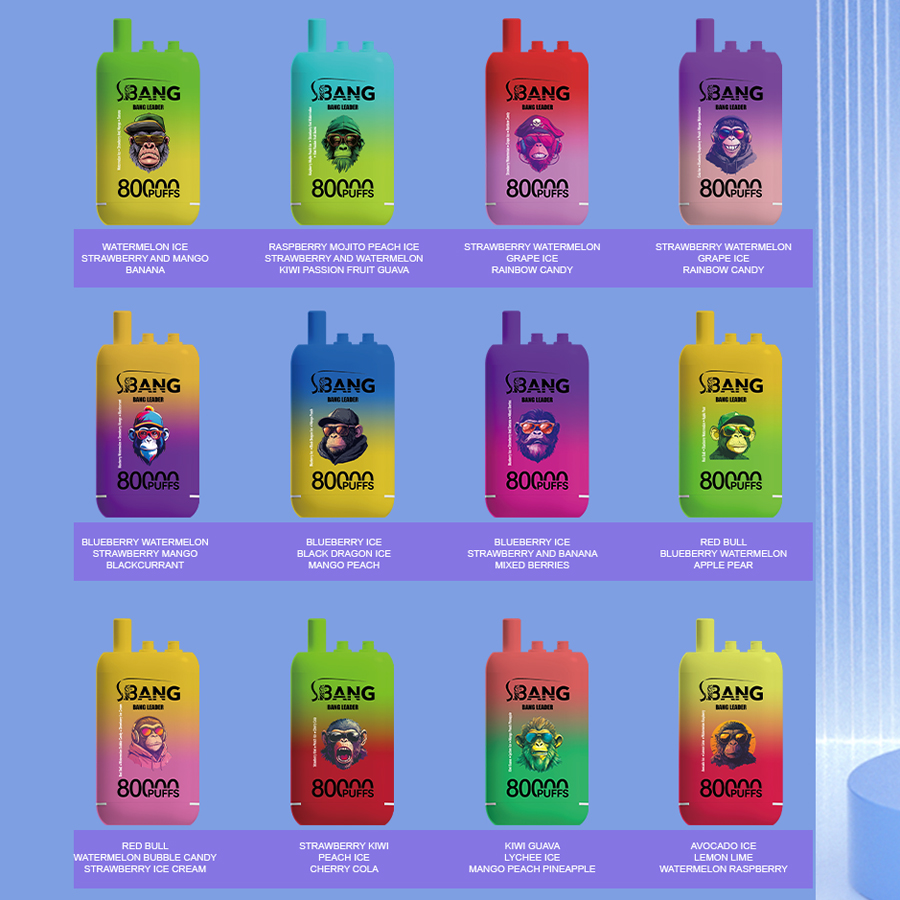
Disposable vs. Rechargeable E-Cigarettes: A Detailed Comparison of Design, Usability, and Long-Term Value
The choice between disposable and rechargeable e-cigarettes hinges on user priorities, such as convenience, cost efficiency, and environmental impact. This guide examines how these two categories differ in functionality, performance, and sustainability without focusing on specific brands or pricing.
Design and Portability
The physical structure and ease of transport play a significant role in daily usability for both casual and frequent users.
- Compactness and Weight Distribution
Disposable e-cigarettes are engineered for simplicity, featuring lightweight, uniform designs that fit easily into pockets or bags. Their sealed, all-in-one construction eliminates loose parts, making them ideal for on-the-go use. Rechargeable devices, while often sleek, vary in size depending on battery capacity and tank design. Pod-based rechargeables strike a balance between portability and functionality, but larger box mods or tank systems may feel bulky during extended travel. Some rechargeable models offer interchangeable components, adding versatility but also increasing weight and complexity. - Ease of Initial Setup and Use
Disposables require no assembly, charging, or maintenance—users simply inhale to activate them. This plug-and-play approach appeals to beginners or those seeking instant gratification. Rechargeable devices demand initial setup, including charging the battery, filling the tank or inserting a pod, and adjusting settings like wattage or airflow on advanced models. While this process takes time, it allows for customization, such as selecting nicotine strength or flavor intensity, which disposables cannot offer. - Durability and Impact Resistance
Disposable e-cigarettes are built for short-term use, often prioritizing cost over ruggedness. Their plastic casings may crack if dropped, and exposure to extreme temperatures can affect battery or e-liquid performance. Rechargeable devices, particularly those with metal frames or reinforced plastic, are designed to withstand daily wear and tear. Some models include shock-absorbent features or water-resistant coatings, extending their lifespan. However, rechargeables with removable parts are more vulnerable to loss or damage during disassembly for cleaning or coil replacement.
Performance and Flavor Consistency
The quality of vapor production, throat hit, and flavor retention varies between disposable and rechargeable options, influencing user satisfaction over time.
- Vapor Production and Throat Hit Intensity
Disposables typically use pre-filled e-liquid with a fixed nicotine concentration and PG/VG ratio, resulting in consistent but limited vapor output. Their coils are optimized for simplicity, often prioritizing a balanced throat hit over dense clouds. Rechargeable devices allow users to adjust settings like power output or airflow, enabling them to fine-tune vapor density and throat hit. High-wattage rechargeables can produce larger clouds, appealing to cloud-chasing enthusiasts, while lower settings mimic the experience of disposables for those preferring subtlety. - Flavor Longevity and Degradation Over Time
Disposable e-cigarettes deliver uniform flavor until the e-liquid is depleted, as their sealed design prevents oxidation or contamination. However, the lack of temperature control means flavors may burn out faster if the device is used continuously. Rechargeable systems with adjustable wattage or temperature settings can preserve flavor quality by preventing overheating, especially with premium coils and high-quality e-liquids. On the downside, rechargeables with tanks or pods may develop “flavor ghosting” if users switch between drastically different e-liquids without thorough cleaning. - Battery Efficiency and Power Management
Disposables rely on small, non-rechargeable batteries that are calibrated to last until the e-liquid runs out. While convenient, this design limits usage time and may result in wasted e-liquid if the battery dies first. Rechargeable devices use larger, removable batteries that can be swapped or recharged multiple times, offering extended use between sessions. Advanced rechargeables include power-saving modes or LED indicators to monitor battery life, helping users avoid sudden shutdowns. However, battery performance in rechargeables degrades over time, requiring replacements or upgrades.
Environmental and Cost Considerations
Sustainability and long-term financial impact are critical factors for eco-conscious users or those planning to vape regularly.
- Waste Generation and Recycling Challenges
Disposables contribute significantly to electronic waste due to their single-use nature. Their batteries, plastics, and electronic components are often non-recyclable or require specialized facilities, leading to environmental harm if improperly discarded. Rechargeable devices generate less waste over time, as only coils, pods, or batteries need replacement. Many manufacturers now offer recycling programs for these components, though participation rates vary. Some rechargeable models use modular designs, allowing users to replace specific parts instead of discarding the entire device. - Long-Term Financial Efficiency
While disposables have a lower upfront cost, frequent users may spend more over time due to continuous repurchasing. Rechargeable devices require an initial investment but become cost-effective as users only need to buy e-liquids, coils, or pods. The savings increase with higher-capacity tanks or refillable pods, which reduce per-milliliter costs compared to pre-filled alternatives. However, rechargeables with advanced features like temperature control or customizable firmware may incur higher maintenance costs for replacements or upgrades. - Regulatory Compliance and Safety Standards
Both disposable and rechargeable e-cigarettes must adhere to safety regulations, but compliance varies by region and manufacturer. Disposables are often mass-produced with minimal oversight, raising concerns about battery safety or e-liquid purity in low-quality models. Rechargeable devices, particularly those sold in regulated markets, undergo stricter testing for electrical safety and chemical composition. Some rechargeables include child-resistant features or tamper-evident packaging, addressing safety risks associated with refillable liquids or removable batteries.
Making an Informed Choice Between Disposables and Rechargeables
By evaluating design practicality, performance control, and environmental impact, users can select the e-cigarette type that aligns with their lifestyle and values. Disposables suit occasional users or those prioritizing simplicity, while rechargeables offer flexibility and cost savings for regular vapers. Understanding these distinctions ensures a choice that balances convenience, quality, and sustainability.