
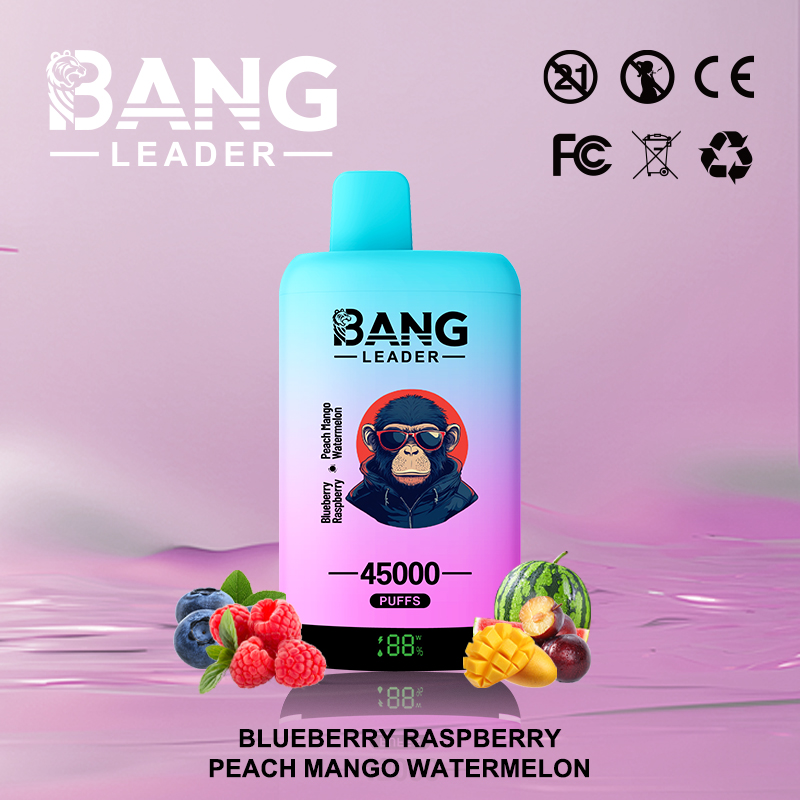
Daily Cleaning Methods for Your Vaping Device
Keeping your vaping device clean is essential for maintaining flavor purity, preventing leaks, and extending the lifespan of its components. Regular cleaning routines remove e-liquid residue, dust, and bacteria that accumulate during use. Below, we outline effective daily cleaning methods to ensure your device performs optimally.
1. Disassembling and Rinsing Reusable Parts
The first step in cleaning your vaping device is disassembly. Start by separating the tank, drip tip, and any removable components from the battery or mod. This allows you to access all areas where residue might build up.
For the tank and drip tip, rinse them thoroughly with warm water. Avoid using hot water, as extreme temperatures can damage certain materials like plastic or acrylic tanks. Gently shake off excess water and use a soft cloth or paper towel to wipe away visible residue. If the tank has stubborn buildup, soak it in warm water for 10–15 minutes before rinsing again.
Pay special attention to the airflow channels and threads, as these areas often trap e-liquid and debris. A small brush or cotton swab can help dislodge particles from tight spaces. Ensure all parts are completely dry before reassembling to prevent water from entering the device’s electronics.
2. Cleaning Coils and Wicks (When Reusable)
While most vapers replace coils regularly, some reusable coils can be cleaned to extend their lifespan. If your device uses rebuildable atomizers (RBAs) or coils designed for multiple uses, start by removing the wick material (e.g., cotton) and discarding it.
Rinse the coil under warm water to flush out e-liquid residue. For deeper cleaning, soak the coil in high-proof alcohol (like vodka or isopropyl alcohol) for 30 minutes to an hour. This helps dissolve stubborn gunk. After soaking, rinse the coil again with warm water and use a toothbrush or coil-cleaning tool to scrub away remaining residue.
Allow the coil to air-dry completely before rewicking and reinstalling. Note that even with cleaning, reusable coils will eventually degrade in performance, so monitor for burnt tastes or reduced vapor production as indicators it’s time for a replacement.
3. Sanitizing the Drip Tip and Mouthpiece
The drip tip or mouthpiece is the part of your device that comes into direct contact with your mouth, making it a prime area for bacteria buildup. To keep it hygienic, remove the drip tip daily and rinse it with warm water.
For a deeper clean, soak the drip tip in a mixture of warm water and a few drops of mild dish soap. Use a soft brush to scrub the interior and exterior surfaces, then rinse thoroughly. If the drip tip is made of silicone or rubber, avoid using alcohol or harsh chemicals, as these can degrade the material over time.
For metal or glass drip tips, you can also use a cotton swab dipped in rubbing alcohol to disinfect hard-to-reach areas. Always rinse with water afterward and let the drip tip air-dry before use.
4. Wiping Down the Device Body and Connections
The exterior of your vaping device, including the mod or battery section, also requires regular cleaning. Use a microfiber cloth to wipe away fingerprints, dust, or e-liquid spills. Avoid using abrasive materials that could scratch the surface.
For the 510 connection (the threading where the tank attaches to the mod), use a cotton swab lightly dampened with rubbing alcohol to remove residue. This ensures a secure electrical connection and prevents issues like misfires or inconsistent power delivery. Allow the connection to dry completely before reattaching the tank.
If your device has buttons or screens, use a dry cotton swab to clean around the edges and prevent gunk from accumulating. Avoid getting moisture inside the device, as this can damage internal components.
By incorporating these daily cleaning habits into your routine, you can maintain a clean, efficient, and hygienic vaping device. Regular attention to detail not only improves flavor and performance but also reduces the risk of malfunctions or health concerns associated with dirt and bacteria buildup.