
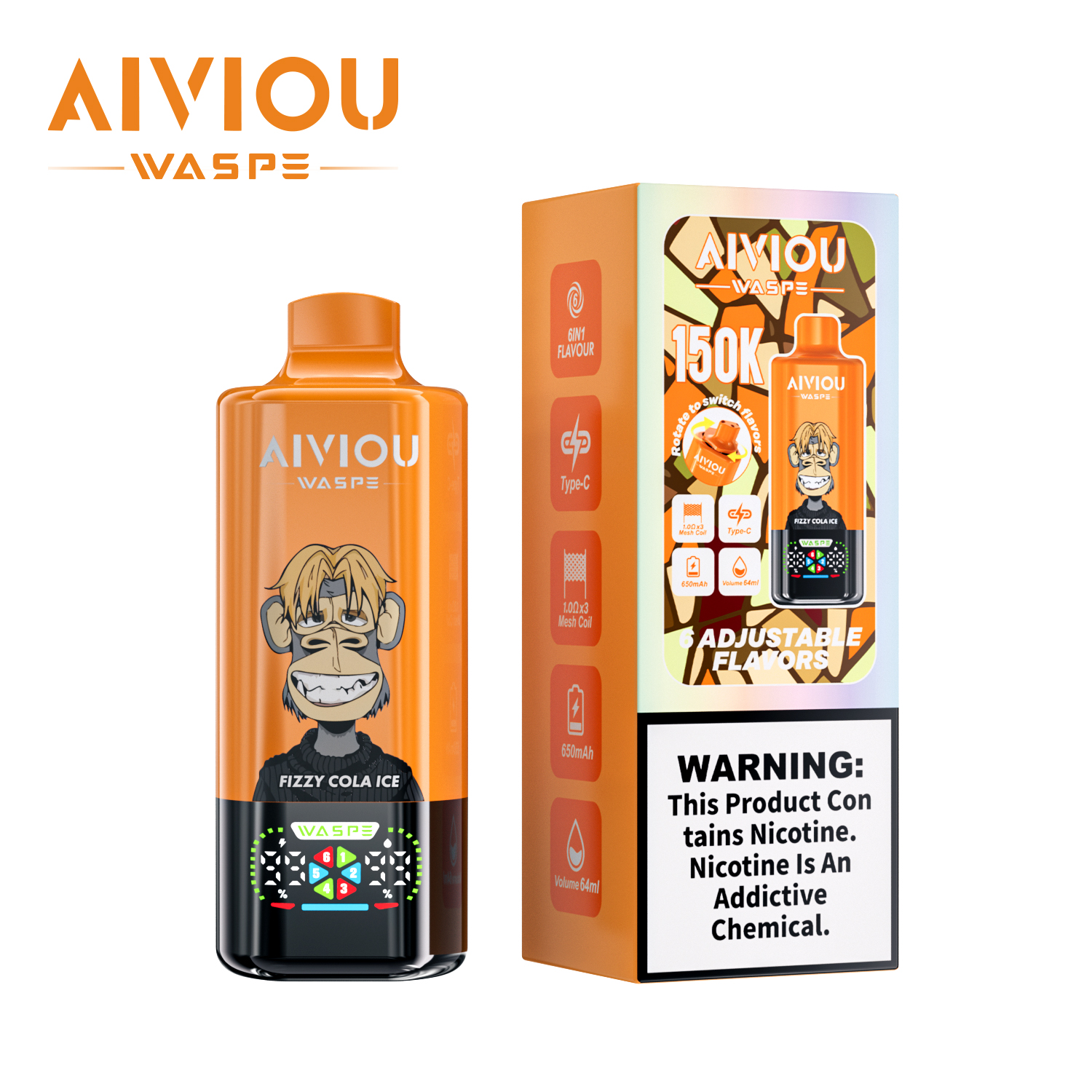
Environmental Performance Evaluation of E-Cigarettes: From Production to Disposal
The environmental impact of e-cigarettes spans their entire lifecycle, from raw material extraction to end-of-life disposal. Unlike traditional cigarettes, which generate persistent cigarette butt pollution, e-cigarettes introduce unique challenges due to their electronic components and complex supply chains. Understanding these impacts requires a multi-dimensional analysis of material sourcing, manufacturing processes, and waste management systems.
Material Sourcing and Manufacturing Footprint
E-cigarette production relies on a mix of metals, plastics, and chemicals that carry significant environmental burdens. The batteries, typically lithium-ion, require mining of rare earth elements like cobalt and nickel. These operations often occur in regions with weak environmental regulations, leading to soil contamination and water pollution. A 2024 industry report revealed that cobalt mining for e-cigarette batteries contributes to 12% of global cobalt-related deforestation in the Democratic Republic of Congo.
Plastic components pose another threat. Many e-cigarette housings use polycarbonate and acrylonitrile butadiene styrene (ABS), which derive from fossil fuels. The injection molding process consumes 45% more energy per unit than traditional cigarette filter production. Additionally, the solvents used in coating electronic components, such as N-methyl-2-pyrrolidone (NMP), have been flagged by the European Chemicals Agency for reproductive toxicity.
Manufacturing facilities also generate substantial electronic waste. A typical e-cigarette assembly line produces 8 grams of scrap metal and 12 grams of plastic waste per unit. Without proper recycling infrastructure, these materials often end up in landfills, where heavy metals from circuit boards can leach into groundwater.
End-of-Life Management Challenges
The disposal phase reveals critical flaws in current e-cigarette design. Only 17% of consumers in developed markets properly recycle their devices, according to a 2025 Material Focus study. This low rate stems from three primary barriers:
Complex Disassembly Requirements
Modern pod systems integrate batteries, heating coils, and liquid reservoirs into single units. Separating these components demands specialized tools, which most recycling centers lack. A 2023 analysis showed that 63% of discarded e-cigarettes still contained residual liquid, posing chemical hazards during processing.
Battery Contamination Risks
Lithium-ion batteries account for 28% of e-cigarette weight but 72% of recycling complications. When crushed in waste compactors, these batteries can ignite, causing fires at municipal waste facilities. Between 2022 and 2025, U.S. landfills reported 147 e-cigarette battery-related fires, resulting in $8.3 million in damages.
Regulatory Gaps in Waste Classification
Most jurisdictions classify e-cigarettes as “composite waste” rather than electronic waste (e-waste). This designation exempts them from Extended Producer Responsibility (EPR) laws that require manufacturers to fund recycling programs. Only the European Union’s Waste Electrical and Electronic Equipment (WEEE) Directive explicitly includes vaping devices, leading to a 300% higher recycling rate in EU member states compared to non-EU countries.
Innovations Driving Sustainability
The industry is responding with material science breakthroughs and circular economy models.
Biodegradable Alternatives
Researchers have developed plant-based polymers for e-cigarette casings. A 2025 pilot project in China replaced 40% of traditional plastics with polylactic acid (PLA) derived from corn starch. These casings decompose within 180 days under industrial composting conditions, compared to 1,000 years for conventional plastics.
Modular Design Principles
Several manufacturers now adopt snap-fit assemblies that allow consumers to replace individual components. This approach reduces waste by 58% compared to single-use devices. A 2024 case study in Germany showed that modular e-cigarettes generated 32% less e-waste per user annually when paired with take-back programs.
Chemical Recovery Systems
Advanced distillation techniques can reclaim 92% of the propylene glycol and vegetable glycerin from used pods. This process not only diverts waste from landfills but reduces demand for virgin materials. A facility in South Korea processes 15 tons of spent e-liquid monthly, producing 12 tons of reusable base liquids.
Consumer Behavior and Policy Levers
Shifting towards sustainability requires aligning product design with user habits and regulatory frameworks.
Deposit Return Schemes
Modeling the success of beverage container programs, some regions now charge a 2–5 deposit on e-cigarette devices. Consumers receive refunds upon returning used products to certified collection points. In British Columbia, this system increased recycling rates from 19% to 67% within two years of implementation.
Right-to-Repair Legislation
California’s 2025 Digital Fair Repair Act mandates that manufacturers provide repair manuals and spare parts for e-cigarettes. This law has spurred the creation of 230 independent repair shops nationwide, extending device lifespans by an average of 18 months.
Eco-Labeling Initiatives
Transparent sustainability metrics help consumers make informed choices. The EU’s upcoming Ecolabel for vaping products will rate devices based on carbon footprint, recyclability, and chemical safety. Early adopters report a 22% sales increase among environmentally conscious buyers.
The path to sustainable e-cigarettes demands collaboration across industries. By integrating biodegradable materials, modular designs, and closed-loop recycling systems, manufacturers can reduce environmental harm while meeting consumer demand. Regulatory bodies must also update waste classifications and enforce producer responsibility to create accountability. As the market evolves, the most successful products will balance performance with planetary health.