
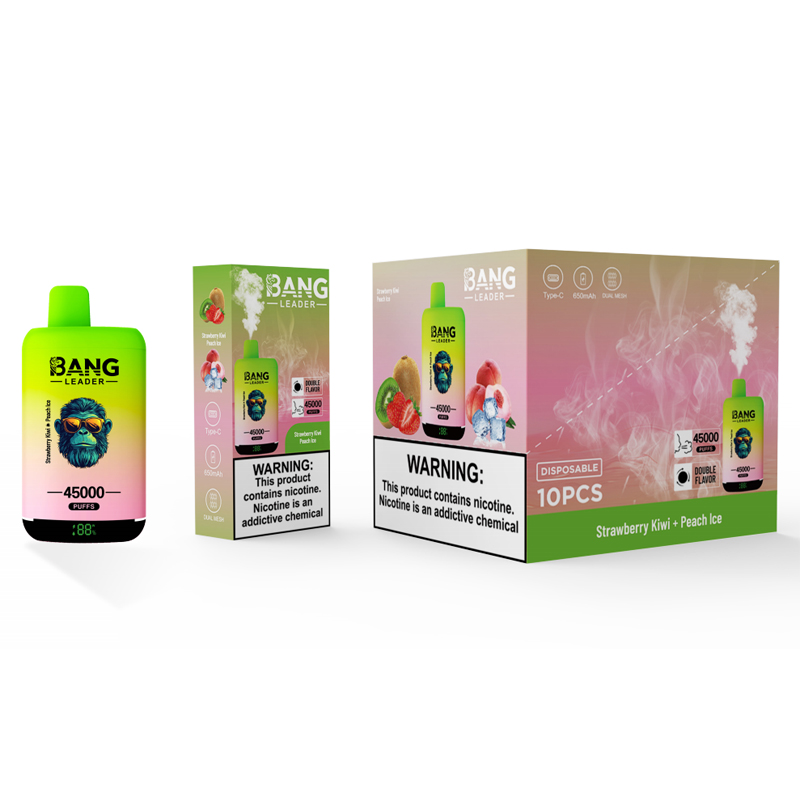
Key Considerations for Choosing Beginner-Friendly Vape Devices
Transitioning to vaping requires understanding how different devices align with your lifestyle, preferences, and safety needs. For newcomers, simplicity, reliability, and ease of maintenance are critical. Below are essential factors to evaluate when selecting an entry-level vape setup, ensuring a smooth introduction without overwhelming technical demands.
Device Type: Closed-System vs. Open-System Options
Beginners often face a choice between closed-system pods and open-system starter kits, each with distinct advantages and trade-offs.
- Closed-System Pods: These devices use pre-filled or refillable pods with integrated coils, eliminating the need for manual coil installation or wicking. They are ideal for users prioritizing portability and minimal upkeep, as they require no adjustments to wattage or airflow. However, closed-system pods offer limited flavor variety and nicotine strength options, as users must rely on the manufacturer’s pre-selected choices.
- Open-System Starter Kits: These kits include a tank or pod with replaceable coils and a basic mod or battery. While slightly more complex, they allow users to experiment with different coil resistances and e-liquid types (e.g., high-PG for throat hit or high-VG for clouds). Open-system devices also support refilling with third-party e-liquids, providing greater customization over time.
Pro Tip: If you’re unsure about long-term commitment, start with a closed-system device to test vaping’s appeal. If you enjoy the experience, transition to an open-system kit for more control.
Ease of Use: Simplifying the Vaping Process
A beginner-friendly device should minimize guesswork and reduce the risk of user errors that could lead to frustration or safety issues.
- Draw-Activated vs. Button-Activated: Draw-activated devices mimic the feel of smoking by activating when you inhale, making them intuitive for first-time users. Button-activated mods require pressing a fire button to vape, which may take practice to master but offer more control over puff duration. Choose based on your comfort with manual operation.
- Coil Replacement Frequency: Check how often coils need replacing and whether they’re user-replaceable. Some closed-system pods require discarding the entire pod when the coil burns out, while open-system tanks let you swap coils without replacing the tank. Opt for devices with widely available coil options to avoid supply shortages.
- Leak Prevention: Look for devices with secure pod or tank connections, such as magnetic attachments or screw-on designs, to reduce e-liquid spills. Avoid models with overly complex airflow systems, as misaligned components can cause leaks during refills or transport.
Technical Insight: If using a refillable pod, fill it slowly and pause between squirts to let air bubbles escape. Overfilling can flood the coil, leading to gurgling sounds or spit-back.
Battery Life and Charging Convenience
Reliable power sources are crucial for consistent performance, especially for users who vape throughout the day.
- Built-In vs. Removable Batteries: Closed-system devices and some starter kits use integrated batteries, which are convenient but cannot be swapped out. If the battery dies, you must wait for it to recharge. Open-system kits with removable batteries (e.g., 18650 cells) let you carry spares for uninterrupted use, though they require separate chargers and basic battery safety knowledge.
- Charging Speed and Ports: Most entry-level devices use micro-USB or USB-C ports. USB-C charges faster and is becoming more common, but ensure your cables are compatible to avoid damage. Avoid charging devices overnight or using damaged cables, as this can overheat the battery.
- Battery Capacity: Higher-capacity batteries (measured in mAh) last longer between charges but may increase device size. For light vapers, a 300–500mAh battery suffices for a day, while heavy users should prioritize 800mAh or more.
User Experience: If you frequently forget to charge devices, consider a closed-system pod with a battery indicator light. These lights change color (e.g., green to red) to signal low power, prompting timely recharging.
Safety Features and Regulatory Compliance
Prioritizing devices with built-in safety protections reduces the risk of accidents, particularly for those new to vaping technology.
- Short-Circuit Protection: This feature automatically cuts power if the coil or wiring malfunctions, preventing battery damage or overheating. While rare in reputable devices, it’s a critical safeguard for beginners who may mishandle components during setup.
- Overcharge Protection: Devices with this feature stop charging once the battery reaches full capacity, avoiding the risks associated with leaving devices plugged in indefinitely. This is especially important for integrated batteries, which lack removable safeguards.
- Child-Resistant Designs: If you have children or pets, choose devices with locking mechanisms or tamper-proof pods to prevent accidental activation or ingestion of e-liquid. Some pods use twist-off caps or magnetic seals that require deliberate force to open.
Safety Alert: Never use damaged batteries or devices with frayed wires. If a device feels excessively hot during use or charging, stop immediately and consult the manufacturer’s support team.
Flavor and Nicotine Compatibility
The success of your transition to vaping depends on finding flavors and nicotine strengths that satisfy cravings without causing discomfort.
- Nicotine Salts vs. Freebase Nicotine: Nicotine salts (common in closed-system pods) deliver a smoother throat hit at higher concentrations (20–50mg), making them suitable for heavy smokers. Freebase nicotine (found in many open-system e-liquids) provides a stronger throat hit at lower strengths (3–12mg), ideal for light smokers or those reducing nicotine intake.
- Flavor Profiles: Beginners often prefer tobacco or menthol flavors to mimic traditional smoking, but many eventually explore fruity, dessert, or beverage-inspired options. Closed-system pods limit flavor choices to pre-filled options, while open-system tanks let you mix e-liquids from different brands.
- PG/VG Ratios: High-propylene glycol (PG) e-liquids (50/50 or higher PG) produce a stronger throat hit and work well with low-power devices, while high-vegetable glycerin (VG) blends (70% VG+) create denser clouds but require more power and wider airflow.
Pro Tip: Start with a 50/50 PG/VG ratio if unsure, as it balances throat hit and vapor production. Adjust based on your device’s capabilities and personal preference after a few weeks of use.
By focusing on these criteria, beginners can select a vape device that aligns with their needs without feeling overwhelmed by technical jargon or unnecessary features. Prioritize simplicity, safety, and flexibility to ensure a positive introduction to vaping, and don’t hesitate to reach out to local vape shops or online communities for guidance on troubleshooting or upgrades as your experience grows.