
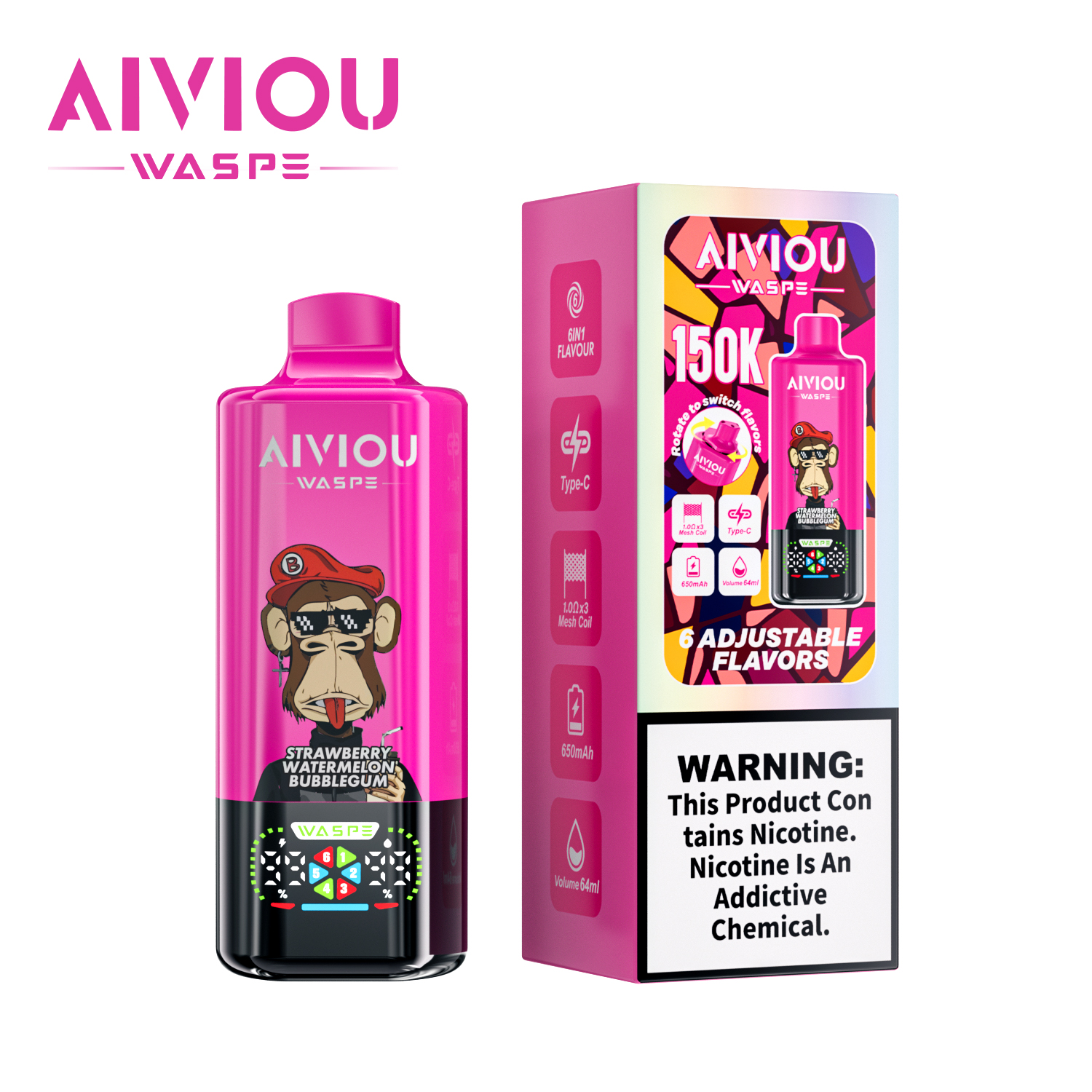
Common Misconceptions About the Health Risks of E-Cigarettes
The rise of e-cigarettes has sparked widespread debate, with many misconceptions clouding public understanding of their true health impacts. This article debunks three major myths surrounding e-cigarettes, drawing on medical research and real-world cases to clarify their risks.
Myth 1: E-Cigarettes Are Non-Addictive and Safe for Health
The Truth: E-Cigarettes Contain Nicotine and Are Highly Addictive
E-cigarettes, like traditional cigarettes, deliver nicotine—a substance as addictive as heroin or cocaine. A 2025 study by the China National Health Commission revealed that 85% of e-cigarette liquids contain nicotine, with some products exceeding 60 mg/mL—triple the concentration found in a single traditional cigarette. This high dosage can lead to rapid dependency, especially among first-time users.
Long-Term Health Consequences
Nicotine in e-cigarettes raises heart rates and blood pressure, increasing the risk of cardiovascular diseases such as heart attacks and strokes. A 2023 analysis in the Journal of the American College of Cardiology linked e-cigarette use to a 71% higher stroke risk and a 59% higher heart attack risk compared to non-users. Additionally, nicotine exposure during adolescence can impair brain development, causing memory loss, attention deficits, and anxiety disorders.
Hidden Dangers in Flavored Liquids
To mimic flavors like fruit or candy, e-cigarette liquids often contain chemical additives such as diacetyl, a compound linked to “popcorn lung” (bronchiolitis obliterans). This irreversible lung disease, characterized by scarred airways and difficulty breathing, has been documented in e-cigarette users as young as 16.
Myth 2: E-Cigarettes Produce Harmless Vapor, Not Secondhand Smoke
The Truth: E-Cigarette Aerosol Contains Toxic Substances
While e-cigarettes lack the tar of traditional cigarettes, their vapor is far from harmless. Research by the World Health Organization (WHO) found that e-cigarette aerosol contains nicotine, formaldehyde (a known carcinogen), and heavy metals like nickel and chromium. These particles settle in the lungs, where they cannot be broken down, leading to chronic respiratory issues such as asthma and bronchitis.
Secondhand Exposure Risks
A 2024 study in Environmental Health Perspectives measured air quality in rooms where e-cigarettes were used and found:
- Nicotine levels 10 times higher than in smoke-free environments.
- PM2.5 particulate matter concentrations exceeding WHO safety limits by 300%.
- Elevated levels of benzene, a carcinogen linked to leukemia.
Children and pregnant women are particularly vulnerable. Exposure during pregnancy can result in low birth weight, premature delivery, and developmental delays in infants.
Real-World Cases
In 2023, a 22-year-old college student in Seoul was hospitalized with severe lung inflammation after using flavored e-cigarettes daily for six months. Doctors attributed her condition to inhaling diacetyl and heavy metals from the vapor. Similarly, a 2025 outbreak of “e-cigarette-associated lung injury” in the U.S. saw over 2,800 hospitalizations, with patients experiencing coughing, shortness of breath, and chest pain.
Myth 3: E-Cigarettes Are an Effective Smoking Cessation Tool
The Truth: E-Cigarettes Often Lead to Dual Use, Not Quitting
Many smokers switch to e-cigarettes believing they will help them quit, but studies show the opposite. A 2025 survey by the Chinese Center for Disease Control and Prevention found that 76% of e-cigarette users continue to smoke traditional cigarettes, creating a “dual addiction” that exposes them to higher levels of toxins.
Why E-Cigarettes Fail as a Quit Aid
- Nicotine Delivery: E-cigarettes maintain nicotine dependency, making it harder to quit altogether.
- Behavioral Reinforcement: The hand-to-mouth motion and sensory experience of vaping mimic smoking, perpetuating the habit.
- Lack of Regulation: Without standardized nicotine dosages, users often consume more nicotine than intended, increasing withdrawal symptoms when trying to stop.
Medical Recommendations
The WHO explicitly advises against using e-cigarettes for smoking cessation, citing insufficient evidence of their effectiveness. Instead, health experts recommend FDA-approved methods such as nicotine replacement therapy (patches, gum) and behavioral counseling. A 2024 trial in The Lancet found that smokers who used nicotine patches alongside counseling were twice as likely to quit as those who vaped.
Conclusion: Rethinking E-Cigarette Use
E-cigarettes are not a “safer alternative” to smoking—they introduce unique health risks, particularly for youth and non-smokers. Misconceptions about their safety stem from aggressive marketing and incomplete research, but emerging evidence paints a clear picture: e-cigarettes harm lungs, hearts, and brains, and their vapor endangers bystanders.
For those seeking to quit smoking, evidence-based treatments and support programs offer a safer path. For non-smokers, especially adolescents, avoiding e-cigarettes altogether is critical to preventing lifelong addiction. As research continues to uncover the long-term impacts of vaping, one truth remains unchanged: no form of smoking is without risk.