
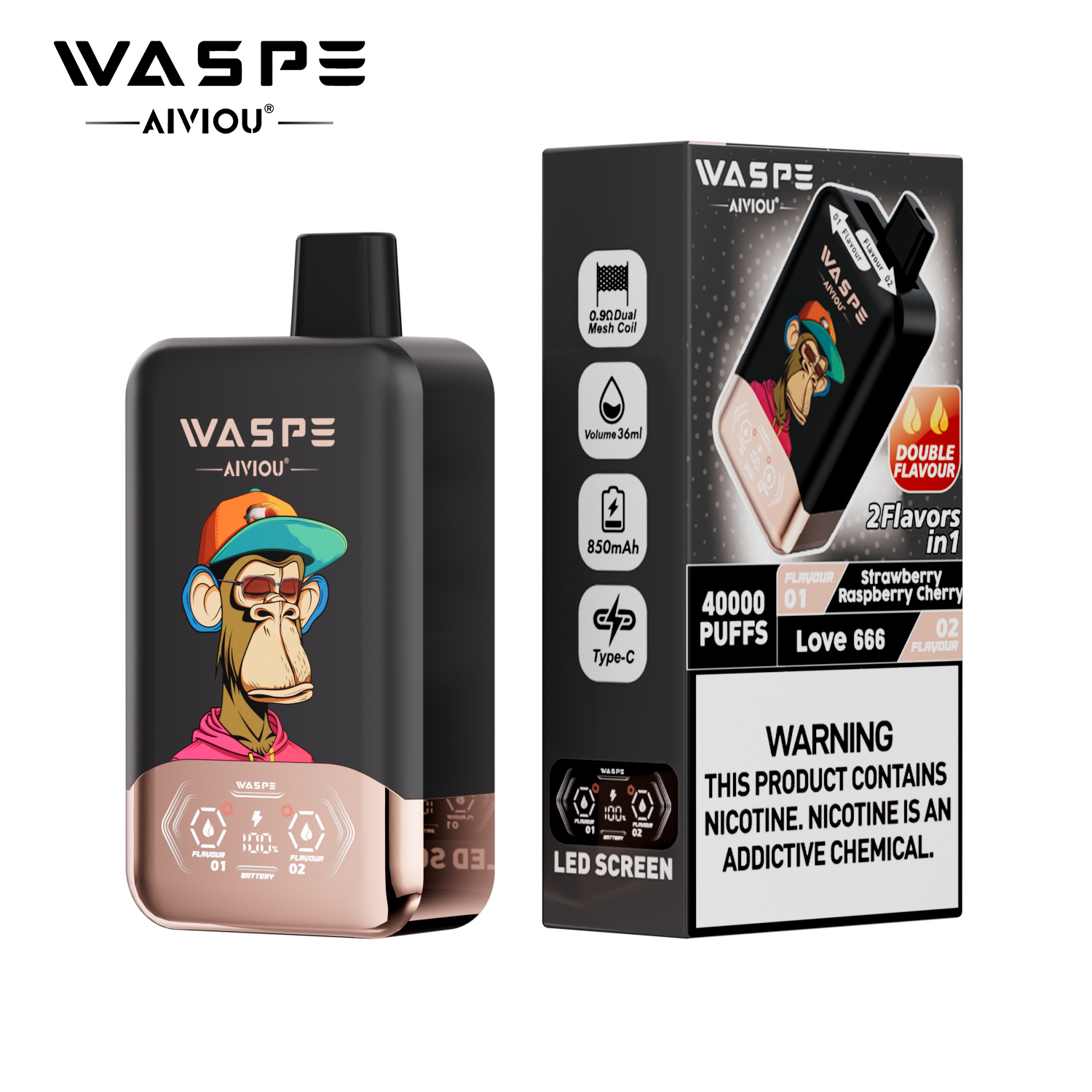
Electronic Cigarette Carry-On Guidelines for Travelers: A Comprehensive Guide
Traveling with electronic cigarettes requires adherence to specific regulations that vary by transportation mode, destination, and local laws. This guide breaks down the key rules to ensure a hassle-free journey.
1. Domestic Travel Within China: Quantity Limits and Packaging
When traveling domestically by air, train, or road, the National Tobacco Monopoly Administration enforces strict quantity limits for electronic cigarettes. Per the 2022 announcement, travelers may carry:
- Up to 6 vaping devices (e.g., mods, pods).
- Up to 90 cartridges (liquid pods) or 90 disposable e-cigarettes.
- Up to 180ml of liquid nicotine (e-liquid or vape juice).
Packaging Tips:
- Secure devices in padded cases to prevent damage.
- Seal liquid cartridges in airtight bags to avoid leaks.
- Keep original packaging or labels for easy inspection.
Air Travel Specifics:
- Devices with lithium batteries must be carried in hand luggage, not checked bags.
- Liquids exceeding 100ml per container require托运 (checked baggage).
- Avoid using e-cigarettes during flights, as vapor can trigger smoke alarms.
Rail and Road Travel:
- No quantity restrictions apply beyond the national limits.
- Refrain from vaping on trains or buses, as smoke detectors may activate.
2. International Travel: Entry and Exit Regulations
Crossing borders with electronic cigarettes demands careful planning due to divergent customs rules.
Entering China:
- General Travelers:
- 2 vaping devices.
- 6 cartridges or combo products (e.g., pod systems), with total liquid ≤12ml.
- From Hong Kong/Macau:
- 1 device.
- 3 cartridges, with total liquid ≤6ml.
- Frequent Travelers (multiple entries per month):
- 1 device.
- 1 cartridge, with total liquid ≤2ml (per entry).
Exiting China:
- No explicit export limits, but compliance with destination laws is mandatory.
Global Variations:
- Singapore: Declare all e-cigarettes; max 6 cartridges and 2 devices.
- Thailand: Banned entirely; possession risks fines or detention.
- Japan: Only PMDA-certified products allowed; unauthorized devices may be confiscated.
- UAE: Permitted in private spaces but prohibited in public areas like Dubai malls.
Pro Tip: Research destination-specific rules via official customs websites or embassy portals.
3. Transportation Mode-Specific Rules
Each travel method imposes unique restrictions on electronic cigarettes.
Air Travel:
- Battery Safety: Lithium batteries must be ≤100Wh (most e-cigarette batteries comply).
- Liquid Restrictions: Single containers ≤100ml; total ≤1L in carry-on.
- Security Checks: Remove devices from bags for X-ray screening. Declare liquids separately.
Train Travel (High-Speed/Conventional):
- No quantity limits beyond national rules.
- Vaping is prohibited onboard to prevent false alarms.
Road Travel (Buses/Cars):
- Generally permitted, but check operator policies for long-distance buses.
- Avoid vaping in enclosed spaces like rental cars to respect non-smokers.
Cruise Ships:
- Policies vary by line; some prohibit vaping in cabins or public areas.
- Carry spare batteries and liquids in carry-on luggage.
4. Common Pitfalls and How to Avoid Them
- Unlabeled Liquids: Customs may seize products without volume markings.
- Excess Quantities: Declare all items honestly; excess may incur taxes.
- Damaged Devices: Poor packaging can lead to leaks or battery malfunctions.
- Ignoring Local Bans: Research destinations like Thailand or Brazil, where vaping is illegal.
Case Example: A traveler carrying 10 cartridges to Singapore without declaration faced a $2,000 fine. Always declare quantities at customs.
5. Navigating Grey Areas: Grey Market Products and Modifications
- Unregulated Devices: Avoid carrying homemade mods or liquids lacking safety certifications.
- Refillable Tanks: Empty tanks before flights to prevent leaks.
- Disposable E-Cigarettes: Count as combo products; adhere to the 90-unit domestic limit.
Expert Advice: Stick to commercially sold, sealed products to avoid legal issues.
By following these guidelines, travelers can minimize risks and ensure compliance across borders. Always prioritize safety, transparency, and respect for local laws to enjoy a smooth journey.