
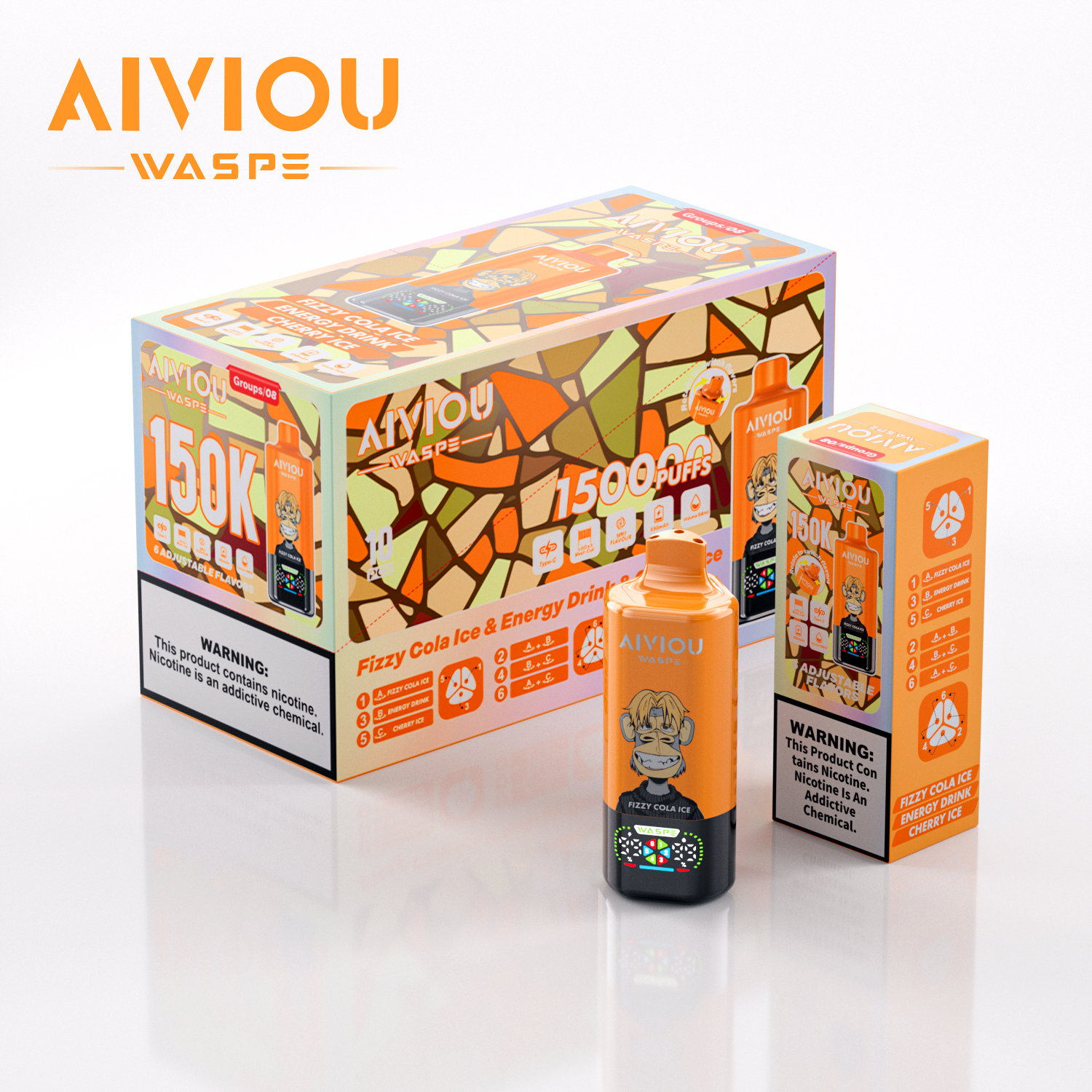
Practical Tips for Moderate E-Cigarette Use
E-cigarettes, often marketed as a less harmful alternative to traditional smoking, still require careful use to avoid potential health risks and dependency. While they eliminate tobacco combustion, their nicotine content and other additives demand responsible consumption. Below are science-backed strategies to help users maintain moderation and prioritize safety.
Setting Clear Usage Limits
Establishing boundaries is key to preventing excessive use, which can lead to nicotine addiction or unintended health consequences.
Tracking Daily Consumption
- Time-Based Restrictions: Allocate specific times of day for vaping, such as after meals or during breaks, and avoid using it continuously throughout the day. For example, limit sessions to 10–15 minutes at a time, with at least 1–2 hours between uses.
- Puff Counting: Many devices track puff counts or usage time. Use these features to monitor intake and set daily limits, such as no more than 100 puffs or 30 minutes of active vaping per day. Adjust these limits based on personal tolerance and health goals.
- Nicotine Strength Adjustment: Start with lower nicotine concentrations (e.g., 3–6 mg/mL) if you’re new to vaping or transitioning from smoking. Gradually reduce strength over time to minimize dependency. Avoid jumping to high-nicotine e-liquids, which can increase cravings and tolerance.
Avoiding Trigger Situations
- Identify Patterns: Note scenarios that prompt frequent vaping, such as stress, social gatherings, or boredom. Replace these triggers with healthier habits, like chewing gum, taking short walks, or practicing deep breathing exercises.
- Create No-Vape Zones: Designate areas like bedrooms, workspaces, or cars as vape-free to reduce mindless usage. This helps break the association between certain environments and vaping.
Prioritizing Health and Safety
Moderate use isn’t just about quantity—it’s also about minimizing risks to physical and mental well-being.
Staying Hydrated
- Counteracting Dehydration: Propylene glycol and vegetable glycerin in e-liquids can dry out the mouth and throat, leading to discomfort. Drink water regularly while vaping to stay hydrated and reduce irritation. Aim for at least 8 glasses of water daily, adjusting for activity level and climate.
- Avoiding Alcohol and Caffeine: Both substances can exacerbate dehydration and may increase nicotine cravings. Limit intake of alcoholic beverages and caffeinated drinks like coffee or energy drinks when vaping.
Monitoring Respiratory Health
- Listening to Your Body: Pay attention to changes in breathing, such as shortness of breath, wheezing, or persistent coughing. These could indicate irritation from vaping aerosols. If symptoms persist, reduce usage or consult a healthcare provider.
- Choosing Safer E-Liquids: Opt for e-liquids with fewer additives and transparent ingredient lists. Avoid products containing diacetyl (linked to lung damage) or high levels of flavoring chemicals, which may irritate the respiratory system.
Managing Nicotine Intake
- Understanding Tolerance: Nicotine tolerance builds over time, requiring higher doses to achieve the same effects. To prevent this, stick to consistent, moderate intake and avoid escalating use. If you notice needing more frequent sessions or stronger e-liquids, consider cutting back.
- Gradual Reduction: If your goal is to quit vaping entirely, create a step-down plan. For example, reduce daily puff counts by 10% each week or switch to lower-nicotine e-liquids every month. Seek support from friends, family, or smoking cessation programs if needed.
Balancing Vaping with Physical Activity
Regular exercise can offset some risks associated with vaping while promoting overall health.
Incorporating Cardio Workouts
- Improving Lung Function: Aerobic exercises like running, cycling, or swimming strengthen the cardiovascular system and may help mitigate minor respiratory irritation caused by vaping. Aim for at least 150 minutes of moderate-intensity cardio per week, as recommended by health experts.
- Reducing Cravings: Physical activity releases endorphins, which can alleviate stress and reduce the urge to vape. Schedule workouts during times when you’d typically reach for your device, such as after work or during lunch breaks.
Strength Training and Flexibility
- Building Endurance: Strength training exercises like weightlifting or yoga improve muscle tone and stamina, counteracting potential lethargy from nicotine use. Include full-body workouts 2–3 times per week, focusing on major muscle groups.
- Mind-Body Connection: Practices like yoga or tai chi emphasize breath control and mindfulness, which can help manage vaping triggers and promote relaxation without relying on nicotine.
Taking Breaks During Workouts
- Avoiding Overexertion: If you vape shortly before exercising, wait at least 30 minutes to allow nicotine levels to stabilize. Vaping immediately before intense activity may cause dizziness or shortness of breath due to nicotine’s stimulant effects.
- Hydrating Post-Workout: Replenish fluids lost during exercise by drinking water or electrolyte-rich beverages. This is especially important if you vape regularly, as nicotine can accelerate dehydration.
By setting clear limits, prioritizing health, and staying active, users can enjoy e-cigarettes in moderation while minimizing risks. Responsible use involves not just controlling quantity but also adopting habits that support long-term well-being.