
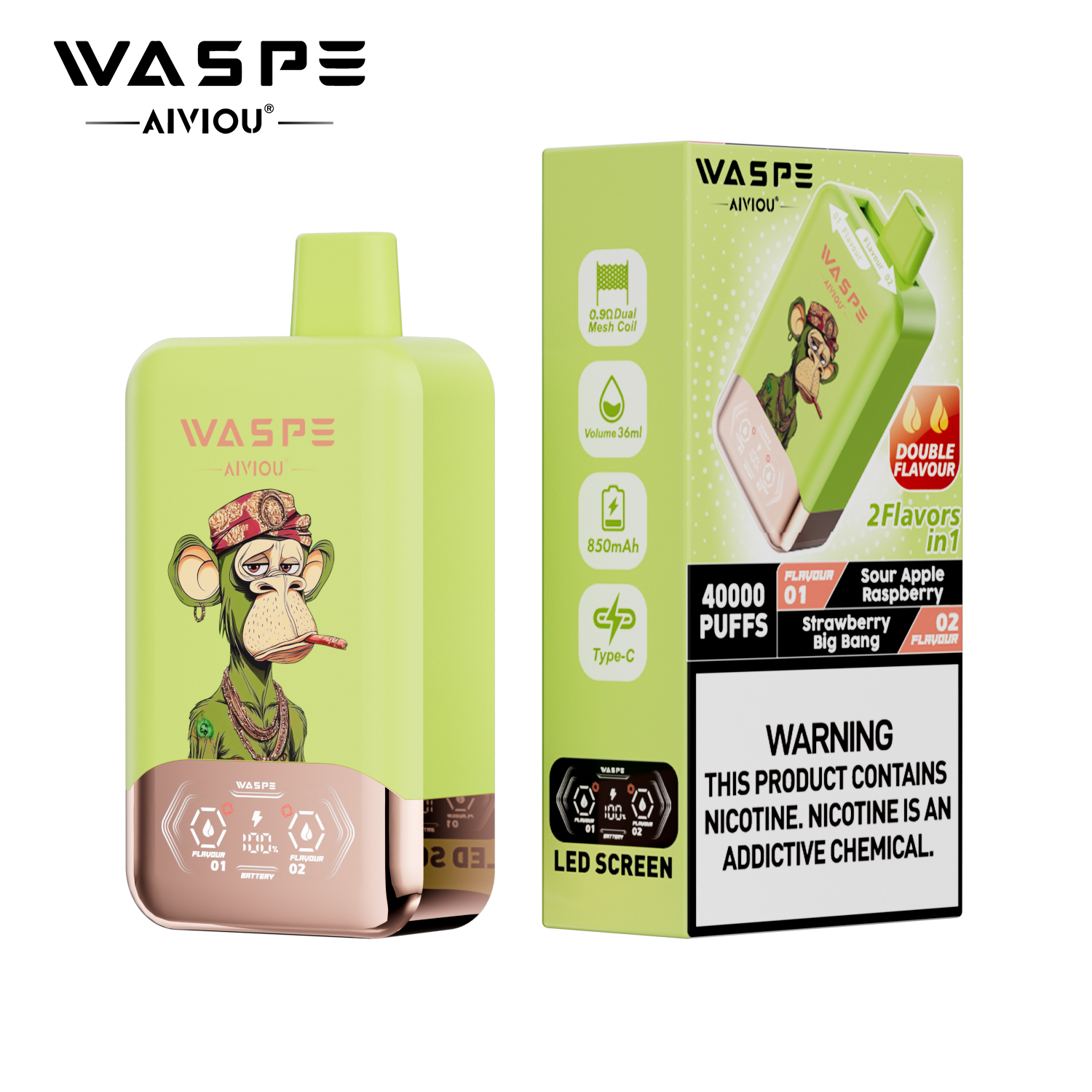
Nicotine Salt E-Liquids: Understanding Absorption Speed and Its Implications
Nicotine salt e-liquids have transformed the vaping landscape by addressing a critical challenge: delivering nicotine efficiently without the harsh throat hit associated with traditional freebase nicotine. This innovation has made them a popular choice for smokers transitioning to vaping and users seeking a more satisfying experience. Below, we explore the factors influencing nicotine salt absorption, its comparison to freebase nicotine, and its role in harm reduction.
The Science Behind Rapid Absorption
Nicotine salts are formed by combining nicotine with organic acids, such as benzoic or citric acid. This chemical reaction lowers the pH of the e-liquid, reducing alkalinity and enabling smoother inhalation even at high nicotine concentrations. The reduced pH also enhances nicotine’s bioavailability, allowing it to cross the blood-brain barrier faster. Studies indicate that nicotine salts can reach peak blood plasma levels in as little as 6 seconds, closely mimicking the rapid absorption of combustible cigarettes.
The organic acids in nicotine salts serve dual purposes:
- Stabilizing Nicotine: Prevents oxidation, preserving potency and flavor over time.
- Enhancing Volatility: Facilitates vaporization at lower temperatures, ensuring efficient delivery without harshness.
This combination explains why users report a “satisfaction” similar to smoking traditional cigarettes, despite consuming less vapor.
Comparing Nicotine Salts to Freebase Nicotine
Freebase nicotine, the standard form used in early e-liquids, has a higher pH (around 9–10), making it more alkaline. This results in:
- Slower Absorption: Peak blood nicotine levels may take 15–20 minutes to occur.
- Harsh Throat Hit: Limits usable nicotine concentrations to 3–6 mg/mL for most users.
In contrast, nicotine salts enable concentrations of 20–50 mg/mL without irritation, making them ideal for heavy smokers or those seeking discrete, high-nicotine options. The rapid absorption also reduces cravings more effectively, potentially lowering overall consumption.
However, freebase nicotine remains preferable for:
- Cloud Chasers: High-VG formulations produce denser vapor.
- Flavor Purists: Some users prefer the cleaner taste of unaltered nicotine.
Factors Influencing Absorption Efficiency
Several variables affect how quickly nicotine salts are absorbed:
Device Power and Coil Type
Low-wattage pod systems (10–20W) are optimized for nicotine salts, as they generate less heat and preserve the salt’s stability. High-powered devices may overheat the e-liquid, altering its chemical structure and reducing absorption efficiency.
User Inhalation Technique
- Mouth-to-Lung (MTL): Mimics smoking, allowing nicotine to absorb through oral and pulmonary membranes.
- Direct-to-Lung (DTL): Less effective for nicotine salts, as rapid inhalation may bypass optimal absorption sites.
pH and Acid Additives
The choice of organic acid impacts absorption speed. For example:
- Benzoic Acid: Commonly used, balances smoothness with rapid uptake.
- Citric or Lactic Acid: May alter flavor profiles while maintaining bioavailability.
Regulatory bodies like the EU are exploring limits on acid additives to mitigate potential health risks, such as respiratory irritation.
Harm Reduction and Public Health Perspectives
Nicotine salts’ rapid absorption has sparked debate about their role in smoking cessation. While they offer a viable alternative to combustible cigarettes, concerns persist about:
- Youth Appeal: High nicotine concentrations and discreet designs raise addiction risks among non-smokers.
- Dual Use: Some users may continue smoking while vaping, negating harm reduction benefits.
Nonetheless, studies suggest that nicotine salt e-liquids can double quit rates compared to traditional nicotine replacement therapies (NRTs) like patches or gum. Their ability to replicate smoking’s ritualistic aspects—such as hand-to-mouth motion and throat hit—makes them a compelling tool for transitioning smokers.
Future Innovations and Regulatory Trends
The e-liquid industry continues to refine nicotine salt formulations, exploring:
- Sustained-Release Technologies: Nano-encapsulation could prolong nicotine absorption, reducing the need for frequent vaping.
- Alternative Acids: Researchers are testing safer acids to minimize throat irritation and chemical byproducts.
Regulatory frameworks are also evolving. The EU’s Tobacco Products Directive (TPD) proposes capping nicotine concentrations at 10 mg/mL, while Canada limits them to 15 mg/mL. These measures aim to balance harm reduction for adult smokers with public health safeguards.
Final Thoughts
Nicotine salt e-liquids represent a significant advancement in vaping technology, offering smokers a faster, smoother path to nicotine satisfaction. By understanding the science behind their absorption and the factors influencing efficiency, users can make informed choices tailored to their needs. As research progresses and regulations adapt, nicotine salts may play an increasingly pivotal role in reducing smoking-related harm worldwide.