
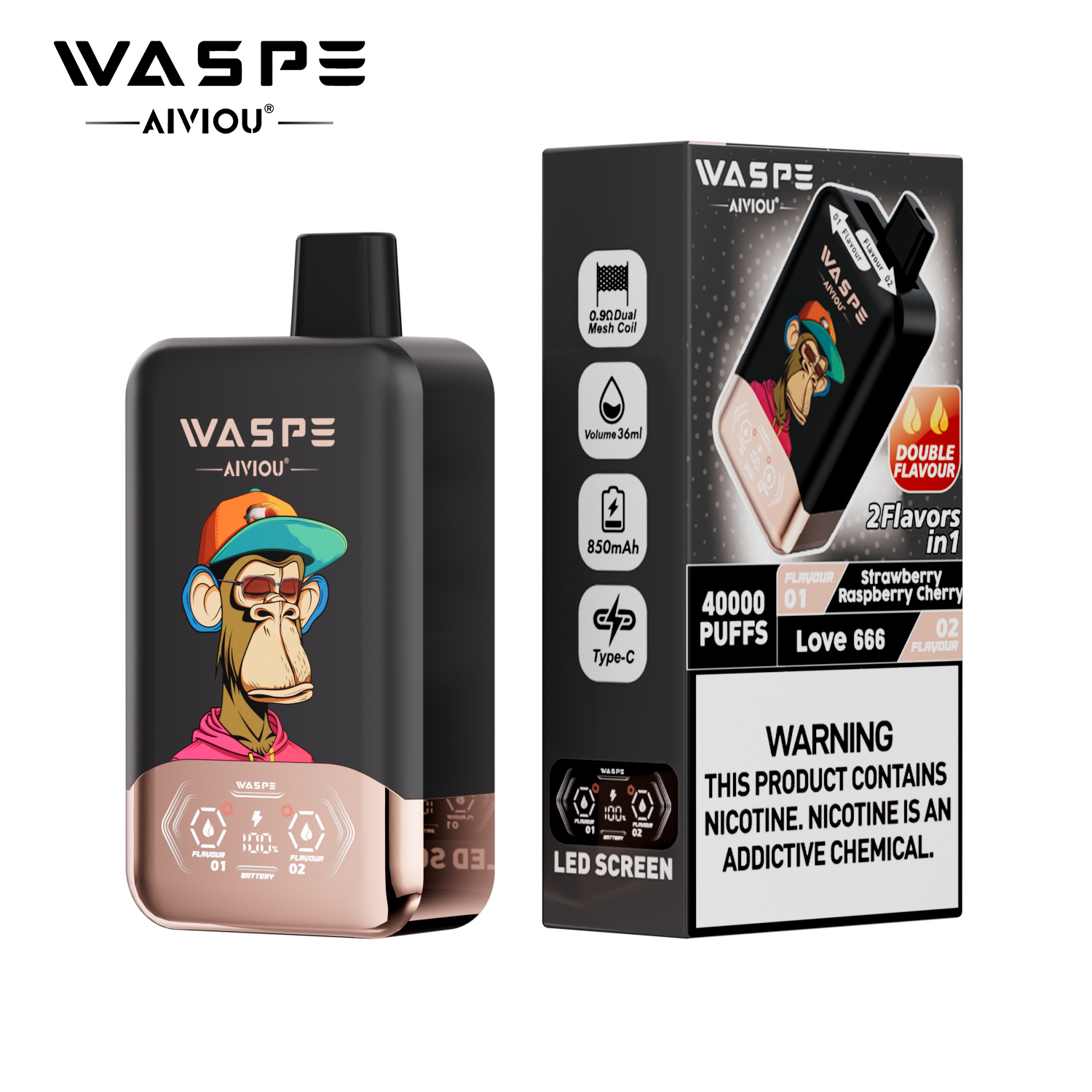
Modular E-Cigarette Assembly: A Guide to Customizable Vaping Systems
Modular e-cigarettes empower users to personalize their vaping experience by swapping components like batteries, tanks, and coils. This flexibility appeals to enthusiasts seeking tailored performance, but assembling these systems correctly requires understanding how each part interacts. Below, we explore the core components, assembly steps, and troubleshooting tips for building a reliable modular setup without relying on pre-made kits.
Understanding Modular Components and Their Functions
Before assembly, familiarize yourself with the primary parts of a modular e-cigarette and their roles in delivering vapor.
Battery Mods: The Power Source
Battery mods house the power supply, typically a rechargeable lithium-ion cell, and regulate voltage or wattage output. These devices come in two main styles:
- Box Mods: Rectangular units with ample space for larger batteries and advanced circuitry. They often feature displays for adjusting settings like wattage, temperature, and coil resistance.
- Tube Mods: Cylindrical devices resembling traditional cigarettes or pens. They’re more compact but usually offer fewer customization options, making them ideal for beginners.
Tanks or Atomizers: Vapor Production Hubs
Tanks hold e-liquid and house the atomizer, which heats the liquid into vapor. Key variations include:
- Sub-Ohm Tanks: Designed for high-wattage vaping, these tanks use low-resistance coils (below 1.0 ohm) to produce dense clouds. They require robust battery mods to handle the power demands.
- MTL (Mouth-to-Lung) Tanks: Mimic the draw of a cigarette, with tighter airflow and higher-resistance coils (above 1.0 ohm). These are better suited for lower-wattage mods and nicotine salt e-liquids.
Coils: The Heating Element
Coils are replaceable wire structures that vaporize e-liquid. They vary in material (e.g., Kanthal, stainless steel, nickel) and resistance, affecting flavor, vapor production, and battery drain. Always match the coil’s resistance to your mod’s wattage range to avoid damage.
Drip Tips: The Mouthpiece
While often overlooked, drip tips influence airflow and comfort. Wide-bore tips enhance cloud production, while narrow tips concentrate flavor for MTL vaping. Many tanks include removable drip tips for customization.
Pro Tip: Label spare coils with their resistance and recommended wattage range using a permanent marker. This saves time during swaps and prevents accidental misuse.
Step-by-Step Assembly Process for Modular Systems
Building a modular e-cigarette involves connecting components in a specific order to ensure safety and performance.
1. Installing the Battery
- If using a box mod with removable batteries, insert them according to the polarity markings (+ and -). Most mods use a magnetic or spring-loaded door for easy access.
- For tube mods with built-in batteries, skip this step but ensure the device is charged via USB before first use.
- Safety Check: Never mix batteries of different brands, ages, or capacities. Mismatched cells can lead to uneven discharge and potential hazards.
2. Attaching the Tank to the Mod
- Align the tank’s 510 connector (the threaded metal pin at the base) with the mod’s 510 thread. Gently screw the tank onto the mod until snug, avoiding over-tightening to prevent stripped threads.
- Some mods feature a locking mechanism or adjustable center pin to accommodate tanks with varying thread depths. Refer to the mod’s manual for guidance.
- Alignment Tip: Hold the tank horizontally while attaching it to the mod. This reduces strain on the threads and prevents cross-threading, a common cause of leaks or poor electrical contact.
3. Priming the Coil and Filling the Tank
- Before installing a new coil, drip a few drops of e-liquid directly onto the exposed cotton wicking holes. This “priming” prevents dry hits and extends coil life.
- Screw the primed coil into the tank’s base, then fill the tank with e-liquid through the designated fill port. Avoid overfilling, as this can cause leaks.
- Reattach the tank’s base to the main chamber and let it sit for 5–10 minutes. This allows the e-liquid to saturate the coil fully.
- Wicking Warning: If you hear gurgling sounds or taste burnt hits shortly after assembly, the coil may not be properly saturated. Disassemble the tank and re-prime the coil.
4. Adjusting Settings (For Advanced Mods)
- If your mod supports variable wattage or temperature control, set the output to match the coil’s recommended range. Start at the lower end and gradually increase power until you find your preferred balance of flavor and vapor.
- For temperature control modes, ensure the coil material (e.g., stainless steel, nickel) is compatible with the mod’s settings. Incorrect configurations can lead to overheating or dry hits.
Visual Check: After assembly, inspect the tank for gaps or misalignment. A properly connected tank should sit flush with the mod without wobbling.
Troubleshooting Common Assembly Issues
Even experienced vapers encounter hiccups during modular setups. Here’s how to diagnose and fix frequent problems.
Problem: No Vapor Production
- Possible Causes:
- Dead or improperly installed battery.
- Loose connection between the tank and mod.
- Coil not seated correctly or burnt out.
- Solutions:
- Reinsert the battery, ensuring correct polarity.
- Tighten the tank’s connection to the mod.
- Replace the coil if it tastes burnt or shows visible damage.
Problem: Leaking E-Liquid
- Possible Causes:
- Overfilled tank or cracked glass.
- Loose coil or tank base.
- Incorrect airflow settings (for adjustable tanks).
- Solutions:
- Empty excess e-liquid and inspect the tank for cracks.
- Tighten all tank components, including the coil and base.
- Close airflow vents partially if the tank has adjustable slots.
Problem: Gurgling Sounds or Spitback
- Possible Causes:
- Flooded coil (too much e-liquid in the chamber).
- Clogged airflow or dirty tank.
- Solutions:
- Remove the tank and blow gently into the mouthpiece to expel excess liquid.
- Clean the tank and coil with warm water, then let them dry completely before reassembling.
Maintenance Routine: Clean your tank and coil every 1–2 weeks, even if they’re not leaking. Residue buildup can affect flavor and performance over time.
Optimizing Performance Through Component Compatibility
The success of a modular e-cigarette hinges on pairing components that complement each other’s strengths.
Battery-Tank Synergy
- High-wattage sub-ohm tanks require mods with sufficient power output (e.g., 100W+ for 0.15-ohm coils). Using a low-powered mod with a sub-ohm tank will result in weak vapor and poor flavor.
- Conversely, MTL tanks with high-resistance coils (1.5–2.5 ohms) work best with low-wattage mods (10–30W). Pairing them with high-power mods may burn the coil or e-liquid.
Coil Material and Mod Settings
- Kanthal coils are versatile and work in wattage mode only.
- Stainless steel (SS) coils can be used in wattage or temperature control (TC) mode, offering flexibility for users who switch between styles.
- Nickel (Ni200) and titanium (Ti) coils are strictly for TC mode and require mods that support these materials. Using them in wattage mode can be dangerous.
Airflow and Drip Tip Pairing
- Wide-bore drip tips pair well with sub-ohm tanks and open airflow settings for maximum cloud production.
- Narrow drip tips and restricted airflow enhance flavor concentration for MTL vaping. Experiment with combinations to find your ideal setup.
Experimentation Tip: Keep a vaping journal to track component combinations, settings, and performance notes. This helps refine your preferences over time and avoids repeating unsuccessful setups.
By mastering modular assembly, you gain control over every aspect of your vaping experience, from cloud size to flavor intensity. Start with basic components, prioritize safety, and gradually explore advanced configurations as your confidence grows.