
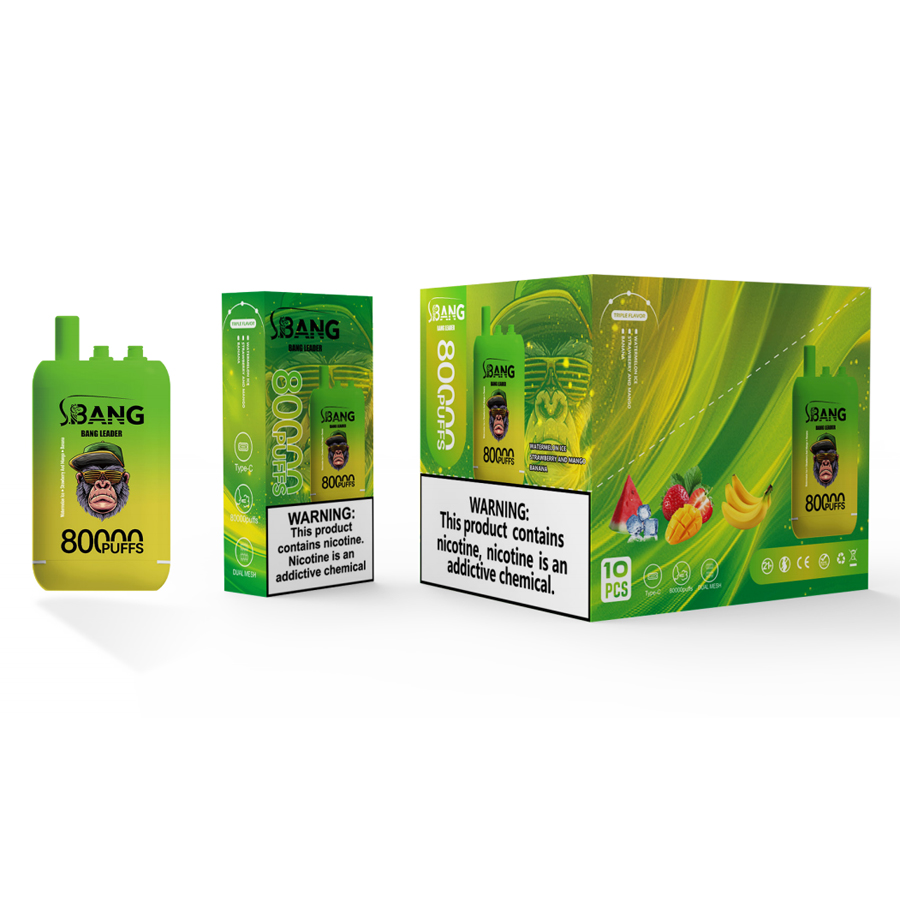
Achieving Optimal Vapor Production in High-Powered Electronic Cigarettes
High-powered electronic cigarettes, often referred to as “sub-ohm” or “cloud-chasing” devices, are engineered to produce dense, voluminous vapor clouds. Their performance hinges on advanced atomization technology, coil design, and airflow dynamics. Below, we explore the factors that define their exceptional vapor output.
Coil Design and Resistance for Enhanced Vaporization
The coil is the heart of any vaping device, and sub-ohm systems leverage specific configurations to maximize vapor production.
- Low-Resistance Coils: Sub-ohm coils (those with a resistance below 1.0 ohm) allow more electrical current to pass through, heating the e-liquid faster and at higher temperatures. This rapid vaporization creates larger clouds compared to standard coils.
- Multi-Strand Wire Materials: Coils made from materials like Kanthal, stainless steel, or nickel-chromium alloys are common, but advanced setups may use fused Clapton, alien, or mesh wires. These designs increase the surface area in contact with e-liquid, ensuring even heating and efficient vapor release.
- Dual or Triple Coil Setups: Some atomizers feature multiple coils working in tandem. This not only boosts vapor volume but also enhances flavor intensity by distributing heat more evenly across the e-liquid.
Technical Insight: Mesh coils, in particular, have gained popularity for their ability to vaporize e-liquid uniformly, reducing hot spots that can lead to burnt tastes while maintaining consistent cloud density.
Airflow Systems and Their Impact on Vapor Density
Effective airflow management is critical for balancing vapor production with smooth inhalation.
- Adjustable Airflow Slots: Many sub-ohm tanks include rotating rings or sliders to control the amount of air entering the chamber. Wider airflow settings allow more air to mix with the vapor, creating lighter, fluffier clouds. Narrower settings concentrate the vapor, resulting in denser, warmer hits.
- Bottom or Side Airflow Designs: Airflow directed from the base of the tank (bottom airflow) or the sides (side airflow) influences vapor cooling and turbulence. Bottom airflow often produces warmer, thicker vapor, while side airflow can enhance flavor clarity by reducing condensation inside the chamber.
- Chuff Caps and Wide-Bore Drip Tips: These accessories replace standard mouthpieces to accommodate larger airflow volumes. Wide-bore tips reduce restriction, enabling users to draw in more vapor without straining, which is essential for competitive cloud-chasing.
User Experience: Vapers often experiment with airflow settings to find the “sweet spot” where vapor density meets personal comfort. A slightly restricted draw (not fully open) is frequently preferred for balancing cloud size and throat hit.
E-Liquid Composition and Its Role in Cloud Formation
The type of e-liquid used significantly impacts vapor production and quality.
- High Vegetable Glycerin (VG) Content: E-liquids with 70% VG or higher are ideal for cloud-chasing, as VG is thicker and produces more vapor than propylene glycol (PG). A 70/30 or 80/20 VG/PG ratio is common in sub-ohm setups.
- Low Nicotine Strength: High nicotine concentrations (above 6mg) can create a harsh throat hit when paired with powerful devices. Most cloud chasers opt for 3mg or lower to prioritize smoothness and vapor volume.
- Flavorless or Simple Flavor Profiles: While flavor is subjective, some vapers prefer unflavored or single-note e-liquids (like menthol or tobacco) for cloud competitions, as complex flavors can slightly reduce vapor density due to added sweeteners or flavoring agents.
Pro Tip: Steeping e-liquids (letting them sit in a cool, dark place for 1–2 weeks) can improve flavor clarity and consistency, indirectly enhancing the overall vaping experience by ensuring the e-liquid performs as expected during high-power use.
Power Settings and Temperature Control for Precision Vaporization
Sub-ohm devices often feature adjustable wattage or temperature control (TC) modes to fine-tune vapor production.
- Wattage Mode: Increasing the wattage raises the coil’s temperature, accelerating e-liquid vaporization. However, excessive power can lead to dry hits or burnt coils. Most users find their optimal range between 50–150 watts, depending on coil resistance and e-liquid viscosity.
- Temperature Control Mode: TC devices limit the coil’s temperature to prevent overheating, which is useful for maintaining consistent vapor production and avoiding burnt tastes. Nickel (Ni200), titanium (Ti), and stainless steel (SS) coils are compatible with TC modes.
- Preheat Functions: Some mods offer a “preheat” or “pulse” feature that briefly fires the coil at higher wattages to quickly saturate the wick with e-liquid. This reduces the risk of dry hits during the first few puffs of a session.
Safety Note: Always stay within the recommended wattage range for your coil to prevent damage to the device or injury. Overpowering a coil can cause it to fracture or release harmful chemicals.
By optimizing coil design, airflow, e-liquid selection, and power settings, high-powered electronic cigarettes deliver unparalleled vapor production. Users should experiment with these variables to tailor their experience, prioritizing safety and device compatibility at every step. Regular maintenance, such as replacing coils and cleaning tanks, ensures consistent performance over time.