
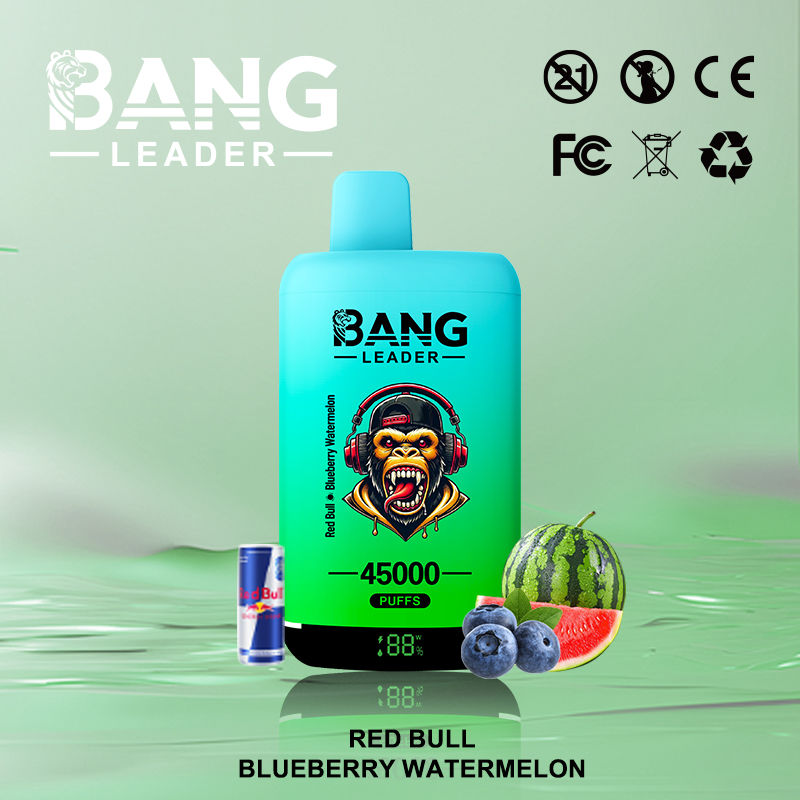
Understanding Battery Life in Disposable Vapes: Key Factors and Tips
Disposable vapes are designed for convenience, but their battery life varies based on usage patterns and device specifications. Unlike rechargeable models, their single-use nature means users must rely on the pre-installed battery’s capacity to last until the e-liquid runs out. Below, we explore what influences their runtime and how to optimize it.
How Battery Capacity Impacts Usage Duration
The battery’s milliampere-hour (mAh) rating is the primary determinant of how long a disposable vape lasts. Higher mAh values generally correlate with longer usage, but this isn’t the only factor.
- Smaller Devices: Many disposables use compact batteries (around 280–400mAh) to maintain portability. These typically support 200–600 puffs, depending on draw length.
- Larger Alternatives: Some high-capacity disposables feature batteries up to 800mAh, extending usage to 1,500+ puffs. However, these are less common due to their bulkier design.
User Tip: Check the packaging or manufacturer’s website for estimated puff counts, but treat these as rough guidelines—actual performance may differ.
Vaping Habits That Affect Battery Drain
Your inhalation style plays a significant role in how quickly the battery depletes.
- Longer Draws: Holding the button (or inhaling) for extended periods forces the coil to heat continuously, draining power faster. Shorter, controlled puffs conserve energy.
- Frequency of Use: Chain vaping—taking multiple draws in quick succession—prevents the battery from resting, reducing overall runtime.
- Power Output: Some disposables adjust voltage based on resistance. Lower-resistance coils require more power, accelerating battery consumption even with short puffs.
Adjustment Idea: Experiment with puff duration and spacing to find a balance between satisfaction and efficiency.
Environmental and Storage Considerations
External conditions can influence battery performance, even if slightly.
- Temperature Extremes: Exposing the device to heat (e.g., leaving it in a car) or cold (e.g., storing it in a fridge) may reduce battery efficiency. Room temperature is ideal.
- Moisture Exposure: While rare, accidental exposure to water or humidity could damage internal components, leading to premature failure. Keep the device dry.
- Physical Stress: Dropping or crushing the disposable might disrupt the battery’s internal structure, causing inconsistent power delivery or sudden shutdowns.
Best Practice: Store unused disposables in a cool, dry place away from direct sunlight and physical pressure.
When to Expect Battery Failure
Disposable vapes are engineered to stop working once the e-liquid is depleted or the battery dies—whichever comes first. Signs of a failing battery include:
- Weak Vapor Production: Even with a full e-liquid tank, the vapor becomes thin or inconsistent.
- Flashing Lights: Some devices have LED indicators that blink rapidly when power is low.
- Auto-Shutdown: The device may turn off unexpectedly during use, especially if the battery can’t sustain the required voltage.
Note: Attempting to recharge or modify a disposable vape is unsafe and voids any implied warranties. Always dispose of exhausted devices responsibly.
By understanding these dynamics, users can better manage expectations and adopt habits that prolong their disposable vape’s usability. While you can’t replace the battery, small adjustments to usage and storage can make a noticeable difference.