
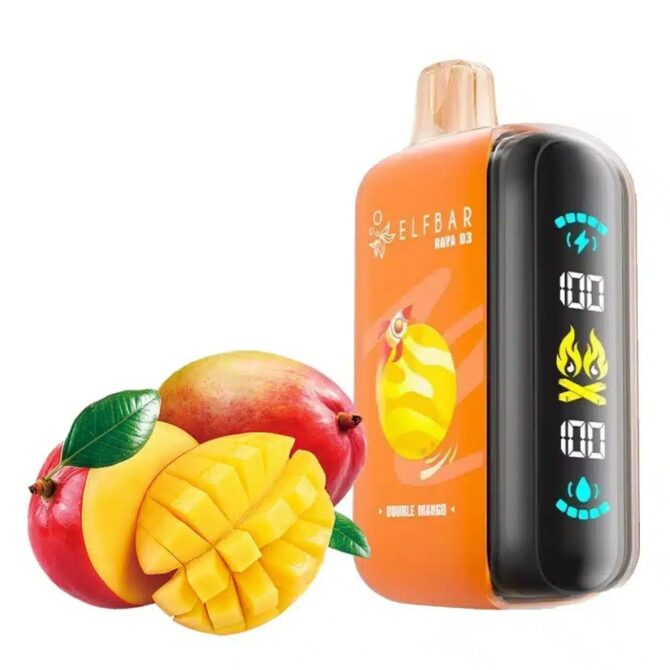
Using E-Cigarettes for Emotional Regulation During Solitude: A Nuanced Exploration
Solitude offers a space for self-reflection, creativity, or emotional processing, but it can also amplify feelings of anxiety, boredom, or loneliness. For some, e-cigarettes become a tool to navigate these emotions, blending physical sensations with psychological rituals. Here’s how vapor and nicotine (when present) interact with emotional states during alone time.
1. The Sensory Appeal of Vaping as a Coping Mechanism
Tactile and Visual Distraction
The act of holding an e-cigarette, inhaling vapor, and watching it disperse can provide a tangible focus for restless minds. A graphic designer in Stockholm described using vaping during late-night solo work sessions, noting that the rhythmic motion of her hands and the visual flow of vapor helped her channel nervous energy into creative tasks. The physicality of the device—its weight, the click of buttons—can serve as a grounding tool for those prone to overthinking.
Flavor and Mood Association
Certain e-liquid flavors evoke emotional responses. For example, a writer in Portland mentioned that vaping a subtle, herbal-scented vapor during moments of self-doubt reminded her of hiking trails, creating a mental shift from anxiety to calm. Conversely, sweet or fruity flavors might temporarily uplift someone feeling lethargic, though this effect varies by individual preference.
Temperature and Comfort
The coolness of inhaled vapor or the warmth of exhaled breath can regulate physical sensations tied to emotion. A student in Berlin reported that vaping mint-flavored vapor during stressful study sessions provided a “sensory reset,” cooling her throat and distracting her from rising panic.
Practical Tip: Pair vaping with a mindful pause—inhale slowly, hold for a moment, then exhale while focusing on the sensation of vapor leaving your body.
2. Nicotine’s Dual Role in Emotional States
Stress Relief vs. Dependency
Nicotine, when present in e-liquids, triggers dopamine release, which can temporarily alleviate stress or sadness. A nurse in Sydney shared that vaping a low-nicotine blend during her solo lunch breaks helped her unwind after tense shifts. However, she acknowledged that relying on nicotine for mood regulation risked creating a cycle where emotional discomfort led to compulsive vaping.
Anxiety and Paradoxical Effects
While nicotine may ease stress in the short term, it can heighten anxiety for some, especially at higher doses. A freelancer in Tokyo described feeling “wired but unfocused” after vaping a stronger e-liquid during a creative block, attributing her jitters to nicotine’s stimulant properties. This highlights the importance of understanding personal tolerance and adjusting usage accordingly.
Emotional Withdrawal and Solitude
For regular vapers, periods of solitude might coincide with nicotine cravings, blurring the line between emotional need and physical dependency. A teacher in Vancouver noted that her solo evenings often involved vaping not out of boredom, but to stave off irritability linked to withdrawal. Recognizing this pattern helped her gradually reduce nicotine strength over time.
Real-World Scenario: A musician in Reykjavik vaped intermittently during solo practice sessions, initially to manage stage fright. Over months, she realized she reached for her device more often when feeling lonely, prompting her to explore alternative coping strategies like journaling.
3. Rituals and Emotional Anchoring in Solitude
Creating Structure in Alone Time
Vaping can become a ritual that marks transitions between activities. For instance, a programmer in Montreal described lighting a candle, sipping tea, and taking a few vape draws before starting a solo coding marathon. This sequence, she said, transformed “empty hours” into a structured routine, reducing feelings of isolation.
Sensory Substitution for Social Interaction
In the absence of human contact, the sensory input from vaping—taste, touch, sight—can partially fill the void. A retiree in Cape Town mentioned that vaping during her morning solo walks provided a “companionable” ritual, replacing conversations she once had with colleagues. The act of sharing vapor (even alone) mimicked the communal aspect of smoking breaks she missed.
Mindful Engagement vs. Auto-Pilot
The key to emotional regulation lies in intentionality. A therapist in Chicago advises clients to vape mindfully during solitude: “Notice the flavor, the inhale’s depth, the exhale’s release. If you’re doing it absentmindedly, ask whether it’s truly helping you process emotions.”
Case Study: A student in Edinburgh vaped heavily during her first semester abroad, using it to cope with homesickness. After noticing her device became a crutch, she replaced vaping breaks with calls to family and walks in nature, reporting improved emotional resilience.
4. Healthier Alternatives for Emotional Balance
Breathwork and Meditation
Focusing on deep, controlled breathing can replicate the calming rhythm of vaping without substances. A yogi in Bali teaches clients to inhale for 4 seconds, hold for 2, and exhale for 6, using breath as a tool to manage anxiety or loneliness.
Creative Expression
Channeling emotions into art, music, or writing provides a constructive outlet. A poet in Marrakech keeps a “solitude journal” where she vents frustrations through verse, finding that the act of creation is more therapeutic than vaping.
Physical Movement
Exercise releases endorphins, which naturally elevate mood. A dancer in Portland opts for short yoga sessions or brisk walks when feeling restless, noting that physical activity distracts her from cravings and boosts her energy.
Expert Insight: A psychologist in Sydney emphasizes that “vaping might offer temporary relief, but long-term emotional regulation requires addressing root causes—loneliness, stress, or boredom—through sustainable habits.”
By understanding the interplay between vaping and emotions, individuals can use it thoughtfully during solitude without relying on it as a crutch. Combining intentional rituals with healthier coping strategies ensures emotional well-being remains the priority.