
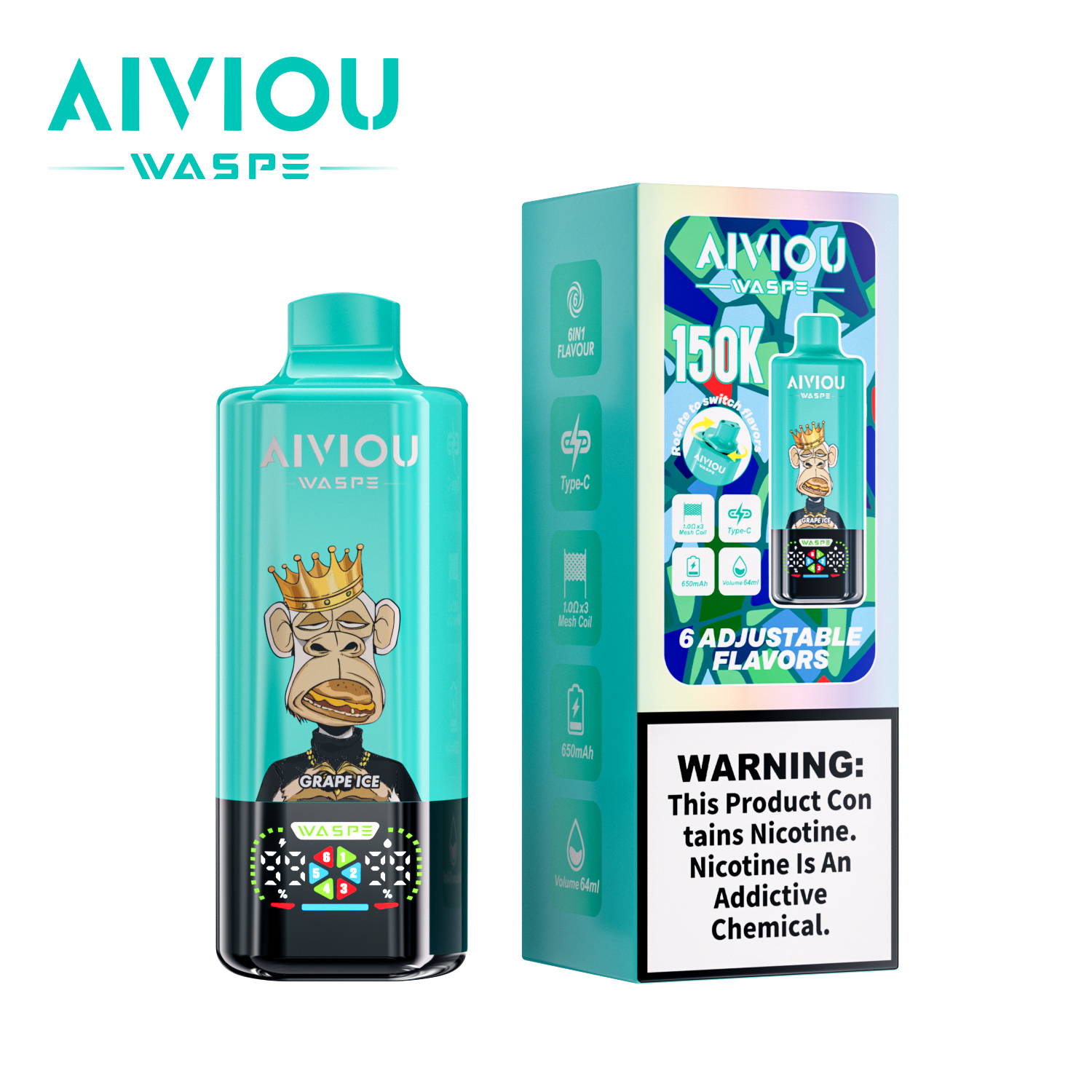
Regulatory Standards for the Electronic Cigarette Industry: A Comprehensive Overview
The electronic cigarette industry has undergone rapid evolution, driven by technological innovation and shifting consumer preferences. However, this growth has also raised concerns about product safety, youth access, and public health impacts. To address these challenges, governments and regulatory bodies worldwide have introduced a range of standards to ensure responsible manufacturing, marketing, and use. Below is an in-depth look at the key regulatory frameworks shaping the industry.
Quality Control and Manufacturing Standards
Ensuring the safety and consistency of electronic cigarettes begins with stringent quality control measures. Manufacturers are required to adhere to Good Manufacturing Practices (GMP), which outline protocols for hygiene, ingredient sourcing, and production processes. These standards help minimize contamination risks and ensure that devices deliver consistent vapor output without overheating or leaking hazardous substances.
Ingredient Transparency and Purity
Regulations mandate that manufacturers disclose all components used in e-liquids, including nicotine concentration, flavoring agents, and additives. This transparency allows regulators to assess potential health risks, such as exposure to diacetyl (a compound linked to lung disease) or heavy metals. Some jurisdictions also impose limits on nicotine strength to reduce addiction risks, particularly among young users. For example, the European Union restricts nicotine concentration to 20 mg/mL, while other regions enforce even stricter caps.
Child-Resistant Packaging
To prevent accidental ingestion by children, packaging must be tamper-proof and child-resistant. This includes secure caps on e-liquid bottles and durable containers that resist punctures or leaks. Regulatory bodies often require warning labels to highlight the risks of nicotine poisoning, emphasizing the importance of storing products out of reach of minors.
Marketing and Sales Restrictions
The electronic cigarette industry faces significant scrutiny over its marketing practices, particularly regarding youth appeal. Regulations aim to curb aggressive advertising tactics while promoting responsible consumption.
Age Verification and Sales Limits
Most countries prohibit the sale of electronic cigarettes to individuals under 18 or 21 years old, depending on local laws. Retailers must implement robust age-verification systems, both in physical stores and online, to prevent underage purchases. Some regions also restrict sales to specialized vape shops or licensed retailers to enhance oversight.
Flavor Bans and Advertising Limits
Flavors like fruit, candy, or dessert have been criticized for attracting young users. As a result, many jurisdictions have banned or restricted flavored e-liquids, allowing only tobacco or menthol variants. Advertising restrictions further limit exposure, with bans on TV commercials, social media promotions, and sponsorships targeting youth-oriented events. For instance, the U.S. FDA prohibits marketing that implies electronic cigarettes are safer than traditional cigarettes without scientific evidence.
Public Usage Restrictions
To protect non-users from secondhand vapor exposure, regulations often prohibit electronic cigarette use in enclosed public spaces, such as restaurants, offices, and public transportation. Some areas extend these bans to outdoor venues like parks or beaches, aligning with traditional smoking restrictions.
Public Health and Safety Measures
Regulatory frameworks prioritize public health by addressing both immediate and long-term risks associated with electronic cigarette use.
Health Warning Labels
Packaging must include prominent warnings about the potential health effects of nicotine, such as addiction, cardiovascular risks, and adverse impacts on fetal development. These labels are designed to educate consumers and discourage non-smokers, particularly youth, from experimenting with vaping.
Reporting and Compliance Mechanisms
Manufacturers and importers are often required to register their products with regulatory authorities and submit detailed reports on ingredients, sales volume, and marketing strategies. This data enables regulators to monitor trends, identify emerging risks, and enforce compliance with safety standards. For example, the EU’s Tobacco Products Directive empowers authorities to recall non-compliant products or impose fines on violators.
Research and Innovation Guidelines
As the industry evolves, regulations encourage responsible innovation by requiring pre-market approval for new devices or e-liquid formulations. Manufacturers must demonstrate that their products do not pose unreasonable health risks and that they contribute to harm reduction compared to traditional tobacco. This process involves rigorous testing for battery safety, vapor consistency, and chemical stability.
Global Variations in Regulatory Approaches
While many countries share common goals—such as protecting youth and ensuring product safety—their regulatory strategies vary widely. Some nations, like Brazil and Uruguay, have implemented outright bans on electronic cigarette sales, citing insufficient evidence on long-term health impacts. Others, such as the UK, adopt a harm-reduction approach, promoting electronic cigarettes as a less dangerous alternative for smokers unable to quit.
Regional Trends
- North America: The U.S. and Canada focus on age restrictions, flavor bans, and marketing limits, with states playing a key role in enforcement.
- Europe: The EU harmonizes standards across member states, emphasizing ingredient purity, packaging safety, and public usage bans.
- Asia-Pacific: Countries like Australia and Japan regulate electronic cigarettes as therapeutic goods or tobacco products, requiring medical prescriptions for nicotine-containing devices.
Conclusion
The electronic cigarette industry operates within a complex web of regulations designed to balance innovation with public health. By enforcing quality standards, restricting youth access, and promoting transparency, regulators aim to minimize risks while acknowledging the potential role of vaping in smoking cessation. As research continues to emerge, these frameworks will likely evolve, reflecting new evidence and societal priorities. For stakeholders, staying informed about regional differences and compliance requirements is essential to navigating this dynamic landscape.