
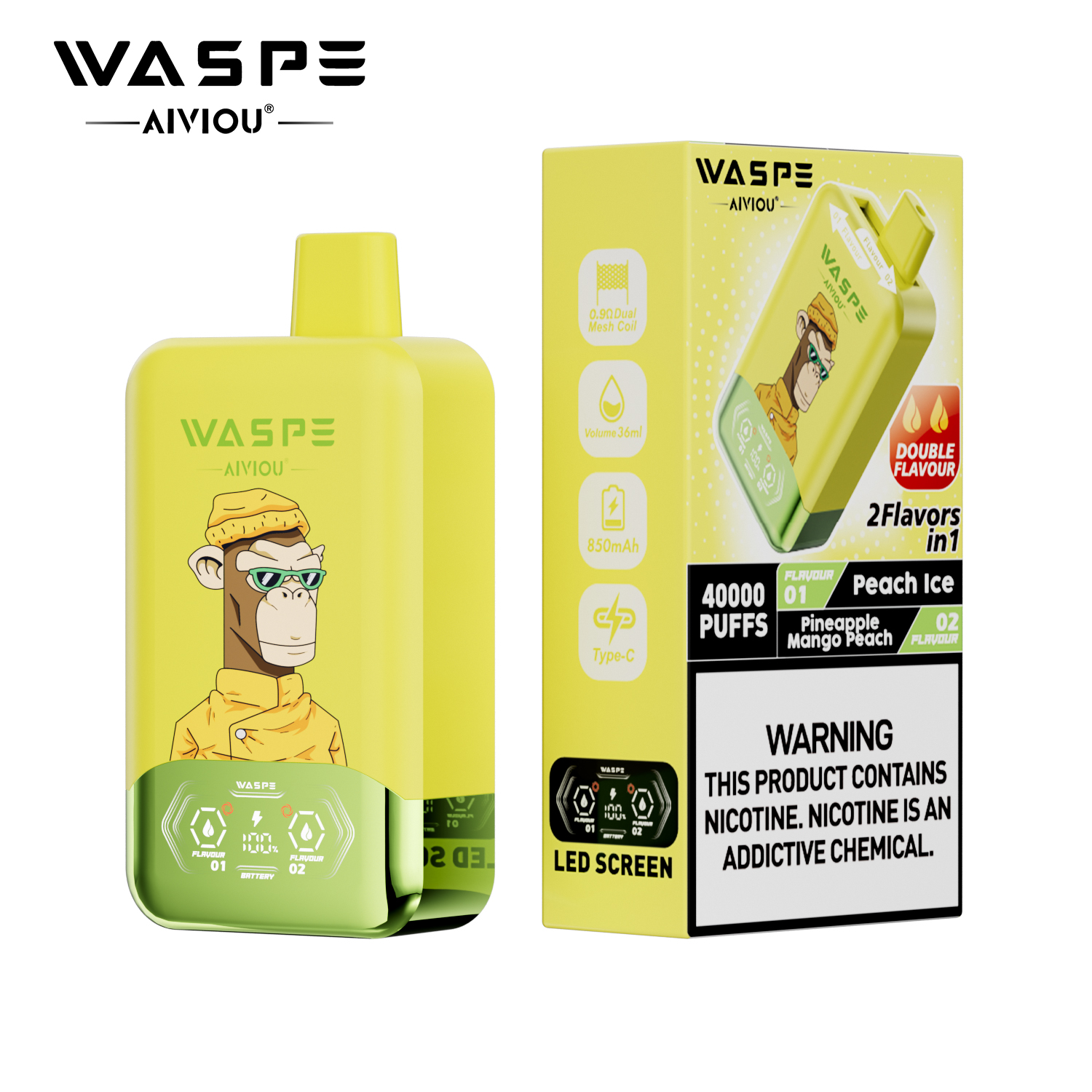
Post-Workout Relaxation with E-Cigarettes: Balancing Recovery and Mindfulness
After a strenuous workout, many seek ways to unwind and transition from physical exertion to mental calm. For some, e-cigarettes play a role in this ritual, though understanding their impact requires a nuanced approach. Here’s how to navigate post-exercise vaping responsibly.
1. The Appeal of Vaping After Exercise
Sensory Relief and Ritual
The act of vaping can provide a sensory anchor after intense physical activity. The coolness of vapor in the throat or the rhythmic inhale-exhale pattern may mimic breathing exercises, creating a meditative effect. For example, a runner might associate vaping with the end of a session, using it as a cue to shift from “workout mode” to relaxation.
Nicotine’s Role in Mood Regulation
Nicotine, a stimulant found in some e-liquids, can temporarily boost alertness or reduce stress for some users. However, its effects vary widely. While one person might feel calmer, another could experience jitters, especially after exercise when adrenaline levels are already elevated.
Real-World Scenario: A cyclist in Portland reported using a nicotine-free vape post-ride to savor the taste of mint-flavored vapor, describing it as a “mental pause” without relying on stimulants.
2. Timing and Physical Considerations
Hydration and Vapor Interaction
Post-workout dehydration can intensify throat irritation from vaping. Dry mouth, a common side effect, may worsen if fluids aren’t replenished. To mitigate this, sip water before and after vaping, and avoid high-nicotine e-liquids, which can further dry mucous membranes.
Respiratory Sensitivity
Exercise temporarily increases lung capacity and airflow. Vaping during this period might expose sensitive airways to irritants, even in nicotine-free products. A 2023 study noted that athletes who vaped post-workout reported more coughing than those who abstained, suggesting a link between vapor and respiratory recovery.
Practical Tip: Wait 20–30 minutes after exercising before vaping to allow heart rate and breathing to stabilize.
3. Alternatives to Vaping for Post-Workout Recovery
Mindful Breathing Techniques
Deep diaphragmatic breathing, practiced for 5–10 minutes, can lower cortisol levels and promote relaxation without inhaling substances. Try the “4-7-8” method: inhale for 4 seconds, hold for 7, exhale for 8.
Cold Exposure Therapy
A cold shower or ice bath after exercise reduces inflammation and stimulates endorphin release. Some athletes combine this with slow, controlled breathing for a dual mental-physical reset.
Herbal Infusions
Chamomile or lavender tea, consumed warm or chilled, offers a soothing ritual without nicotine. The act of sipping slowly can mimic the mindfulness of vaping while supporting hydration.
Case Study: A CrossFit enthusiast in Austin replaced post-workout vaping with a 10-minute cold plunge followed by herbal tea. They reported improved sleep quality and reduced reliance on nicotine for relaxation.
4. Long-Term Health Implications
Impact on Fitness Goals
Regular vaping, even without nicotine, may affect lung function over time. A 2024 review linked chronic e-cigarette use to reduced exercise tolerance in amateur athletes, attributing it to airway inflammation.
Mental Association Risks
Pairing vaping with post-workout relaxation could create a psychological dependency, where the absence of a vape feels disruptive to recovery. Breaking this cycle may require gradual substitution with healthier habits.
Expert Insight: A sports psychologist in Denver recommends tracking how vaping affects post-exercise recovery. If you notice shorter endurance or persistent coughing, consider reducing frequency.
By weighing immediate sensory gratification against long-term health and performance, athletes can make informed choices about post-workout vaping. Prioritizing hydration, mindful practices, and recovery-focused rituals may offer a safer path to relaxation.