
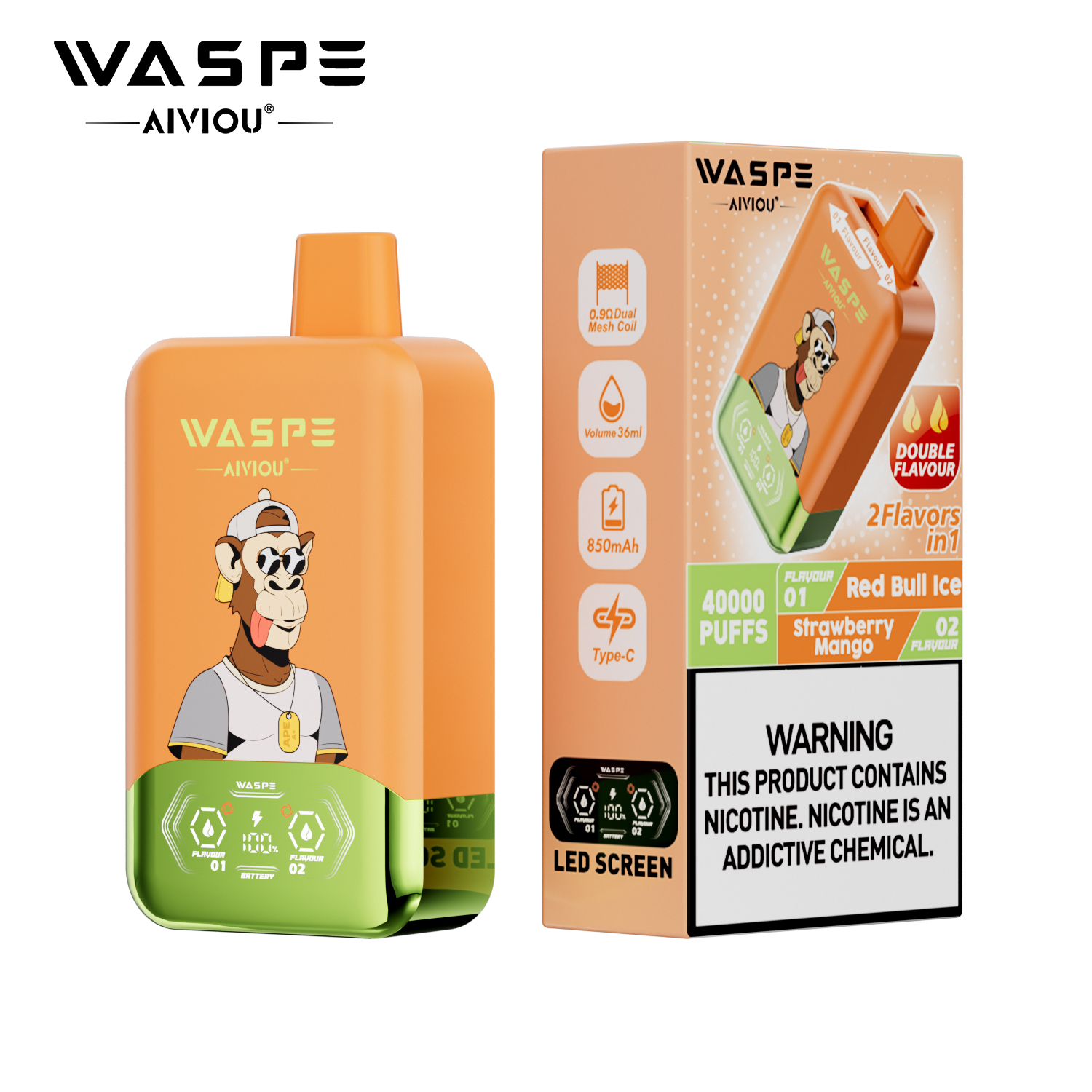
The Safety Profile of Plant-Based E-Liquids: Ingredient Analysis and Health Considerations
Plant-based e-liquids, commonly referred to as vegetable glycerin (VG)-dominant formulations, have gained popularity for their smooth throat hit and dense vapor production. These products rely on natural, plant-derived ingredients to create a vaping experience distinct from traditional propylene glycol (PG)-heavy blends. However, concerns about chemical exposure and long-term health effects persist. Below, we dissect the safety of core components, regulatory standards, and potential risks associated with plant-based e-liquids.
Key Ingredients and Their Safety
Vegetable Glycerin (VG)
VG, a byproduct of plant oil processing (e.g., coconut, palm, or soybean oil), serves as the primary base in plant-based e-liquids. It is a colorless, odorless liquid with a sweet taste and high viscosity, responsible for the thick vapor clouds users associate with these products.
- Safety: VG is classified as “generally recognized as safe” (GRAS) by the U.S. Food and Drug Administration (FDA) when ingested or applied topically. In vaping, its inhalation safety is supported by short-term studies showing minimal irritation to respiratory tissues. However, its hygroscopic nature (ability to absorb moisture) may cause temporary dry mouth or throat irritation in some users.
- Allergic Reactions: While rare, individuals with hypersensitivity to plant oils may experience adverse effects. Symptoms include skin rashes or respiratory discomfort, though these cases are documented infrequently compared to PG allergies.
Propylene Glycol (PG)
Many plant-based e-liquids still contain PG, albeit in lower concentrations, to balance viscosity and enhance flavor delivery. PG is a synthetic compound derived from petroleum but approved for use in food, cosmetics, and pharmaceuticals.
- Safety: PG is non-toxic and widely regarded as safe for inhalation in moderate amounts. However, high-PG formulations can trigger throat irritation or allergic reactions in sensitive users, particularly those with asthma or chronic obstructive pulmonary disease (COPD). Plant-based blends reduce this risk by limiting PG to 30% or less.
- Environmental Impact: PG production involves chemical processes, but its use in e-liquids does not pose significant ecological concerns compared to other industrial applications.
Flavorings and Additives
Plant-based e-liquids derive their taste from food-grade flavorings, which may include natural extracts or synthetic compounds. Common flavor categories include fruit, mint, and tobacco.
- Safety: Most flavorings are safe for ingestion, but inhalation safety data is limited. Certain compounds, such as diacetyl (linked to “popcorn lung” in industrial workers), are now restricted or banned in regulated markets. Reputable manufacturers avoid harmful additives, adhering to standards like those set by the EU’s Tobacco Products Directive (TPD) or the U.S. FDA’s Premarket Tobacco Product Applications (PMTA) process.
- Controversies: The long-term effects of inhaling complex flavor mixtures remain under study. Some researchers suggest that even “safe” flavorings may interact synergistically to produce unknown toxins when heated.
Regulatory Standards and Quality Control
Global Regulations
Governments worldwide have implemented stricter controls on e-liquid ingredients to mitigate health risks:
- Nicotine Limits: Many jurisdictions cap nicotine concentration at 20 mg/mL to prevent poisoning, particularly in children.
- Prohibited Substances: Additives like vitamins, caffeine, and colorants are banned in the EU and U.S. to avoid unintended health consequences.
- Labeling Requirements: Manufacturers must disclose all ingredients and include warning labels about nicotine addiction.
Testing and Certification
Third-party laboratories play a critical role in ensuring e-liquid safety. Tests include:
- Heavy Metal Screening: Detects traces of lead, arsenic, or nickel from heating coils.
- Residual Solvent Analysis: Identifies impurities from extraction processes.
- Diacetyl/Acetyl Propionyl Testing: Ensures compliance with bans on harmful flavoring agents.
Consumers are advised to purchase products with certifications like ISO 9001 (quality management) or GMP (Good Manufacturing Practices) to minimize exposure to contaminated or mislabeled e-liquids.
Potential Health Risks and Mitigation Strategies
Short-Term Effects
- Throat and Mouth Irritation: VG’s thickness can cause dryness or a “coating” sensation in the mouth. Staying hydrated and choosing blends with lower VG ratios (e.g., 50/50 PG/VG) may alleviate discomfort.
- Allergic Reactions: Users with plant oil sensitivities should test small amounts of new e-liquids and discontinue use if symptoms arise.
Long-Term Uncertainties
- Respiratory Health: While plant-based e-liquids lack the tar and carbon monoxide found in combustible cigarettes, the long-term impact of inhaling heated VG and flavorings is unknown. Studies suggest that vaping may impair lung function less than smoking, but it is not risk-free.
- Cardiovascular Risks: Nicotine, present in most e-liquids, can elevate heart rate and blood pressure. Non-nicotine plant-based blends may offer a safer alternative for those concerned about cardiovascular health.
Safe Usage Practices
- Avoid DIY Mixes: Homemade e-liquids carry higher risks of contamination or incorrect ingredient ratios.
- Store Properly: Keep e-liquids away from heat and sunlight to prevent degradation of flavorings or nicotine.
- Monitor Device Maintenance: Dirty coils or wicks can produce harmful byproducts, regardless of e-liquid composition.
Final Thoughts
Plant-based e-liquids represent a middle ground between traditional vaping and nicotine replacement therapies, offering a smoother experience with fewer known irritants. While their core ingredients—VG, PG, and flavorings—are generally safe when sourced from reputable suppliers, users must remain vigilant about regulatory compliance and quality control. As research evolves, adopting a cautious approach—prioritizing certified products and moderating usage—remains the best strategy to minimize health risks.