
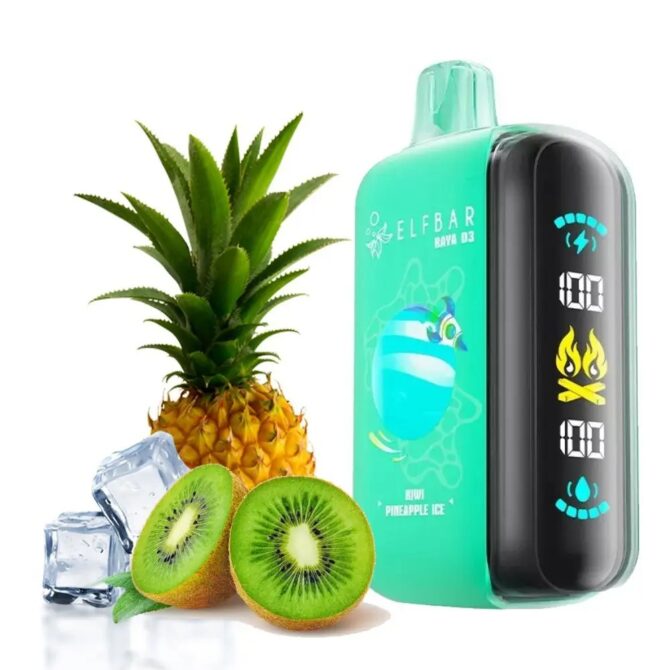
Understanding and Optimizing Dry Burn Protection in Vapor Devices
Vapor devices, whether for recreational use or stage performances, rely on precise heating mechanisms to vaporize liquids effectively. One critical safety feature is dry burn protection, which prevents the coil from overheating when liquid levels are insufficient. This function not only extends device lifespan but also ensures user safety. Below, we explore how dry burn protection works, its importance, and strategies to maintain its effectiveness.
How Dry Burn Protection Systems Operate
Temperature Sensing Mechanisms
Most vapor devices use built-in sensors to monitor coil temperature. When liquid is abundant, the coil stays within a safe range. However, if the liquid depletes, the coil’s temperature rises rapidly. Sensors detect this spike and trigger automatic shutdowns or power reductions to prevent damage.
Some advanced systems employ real-time feedback loops. For instance, a microcontroller might adjust voltage output based on continuous temperature readings. If the coil exceeds a predefined threshold (e.g., 250°C), the device cuts power temporarily until temperatures stabilize. This proactive approach minimizes risks of thermal runaway.
User Alerts and Feedback
Beyond automatic shutdowns, many devices incorporate visual or auditory alerts. A flashing LED or beep might indicate low liquid levels, prompting users to refill. These cues are especially useful in performance settings where users may focus on choreography or stage directions rather than monitoring their device.
In professional environments, such as theater productions, clear alerts help performers avoid interruptions. A silent vibration alert, for example, could notify a dancer without distracting the audience. Customizable alert settings allow users to tailor notifications to their workflow.
Maintaining Optimal Performance of Dry Burn Protection
Regular Cleaning and Maintenance
Residue buildup from vaporized liquids can interfere with temperature sensors. Over time, gunk on the coil or sensor may insulate it, causing inaccurate readings. To prevent this, clean the device regularly with a soft cloth and isopropyl alcohol. Avoid abrasive materials that could scratch sensitive components.
For reusable tanks, disassemble and soak parts in warm water mixed with mild detergent. Rinse thoroughly and let air-dry before reassembling. This routine removes lingering residues that might trigger false dry burn alerts or reduce sensor sensitivity.
Proper Liquid Management
Dry burn protection is only effective if users monitor liquid levels. Overfilling tanks can lead to leaks, while underfilling risks dry hits. Aim to keep liquid levels between 20% and 80% capacity. Some devices feature transparent tanks or digital displays showing remaining liquid, aiding precise management.
In performance contexts, such as music festivals, carry spare tanks or bottles to refill quickly. Assign a crew member to check devices during rehearsals, ensuring performers stay focused without risking damage.
Troubleshooting Common Dry Burn Issues
False Alerts and Erratic Behavior
Occasionally, devices may trigger dry burn alerts despite adequate liquid. This often stems from sensor malfunctions or airflow blockages. Check for clogged air vents, which restrict liquid flow to the coil. Use a pin or needle to clear debris gently.
If the issue persists, recalibrate the sensor by resetting the device to factory settings. Consult the manual for specific instructions, as processes vary by model. Avoid disassembling the sensor itself, as this may void warranties or cause further damage.
Inconsistent Vapor Production
A device that frequently shuts down due to dry burn protection but produces weak vapor may have a failing coil. Coils degrade over time, losing their ability to wick liquid efficiently. Replace coils every 2–4 weeks, depending on usage frequency.
For performers relying on consistent vapor output, stockpile spare coils and schedule replacements during downtime. Label coils with installation dates to track their lifespan accurately.
Advanced Techniques for Professional Users
Customizing Protection Thresholds
Some high-end devices allow users to adjust dry burn protection thresholds. Lowering the threshold (e.g., from 250°C to 220°C) enhances safety but may reduce vapor density. Raising it increases performance but risks coil damage.
In theater productions, where visual effects must align precisely with cues, experiment with thresholds during rehearsals. Find a balance that ensures reliable vapor without frequent shutdowns. Document settings for future shows to maintain consistency.
Integrating with External Monitoring Systems
For large-scale events, connect vapor devices to centralized control panels. These systems track temperature, liquid levels, and battery status across multiple units. If a device triggers dry burn protection, the panel alerts technical staff via smartphone or tablet.
This setup is invaluable for coordinating complex performances. For example, during a synchronized dance routine with 20 performers, real-time monitoring prevents cascading failures. Assign roles to crew members: one manages alerts, another refills liquids, and a third replaces malfunctioning devices.
Environmental and Usage Considerations
Temperature and Humidity Effects
Extreme temperatures affect dry burn protection. In cold environments, liquids thicken, slowing wicking to the coil. This may cause temporary dry hits even with sufficient liquid. Pre-warm tanks by holding them in hands or storing them in pockets before use.
Conversely, high humidity can condense liquid inside tanks, leading to leaks or inconsistent vapor. Store devices in airtight containers when not in use. During outdoor festivals, shield devices from rain or direct sunlight to maintain optimal operating conditions.
Battery Management and Power Settings
Low battery voltage can impair dry burn protection. When batteries drain, devices may struggle to regulate coil temperature accurately. Charge devices fully before performances and carry portable power banks for emergencies.
Adjust power settings based on liquid viscosity. Thicker liquids (e.g., high-VG blends) require lower wattages to prevent dry hits. Thinner liquids (e.g., high-PG blends) tolerate higher settings. Test combinations during rehearsals to identify ideal settings for each scenario.
Conclusion: Balancing Safety and Creativity
Dry burn protection is a cornerstone of reliable vapor device operation. By understanding its mechanisms, maintaining equipment, and adapting to environmental factors, users can ensure seamless performance in any setting. Whether for personal use or professional productions, prioritizing this feature safeguards both devices and users, allowing creativity to flourish without compromise.