
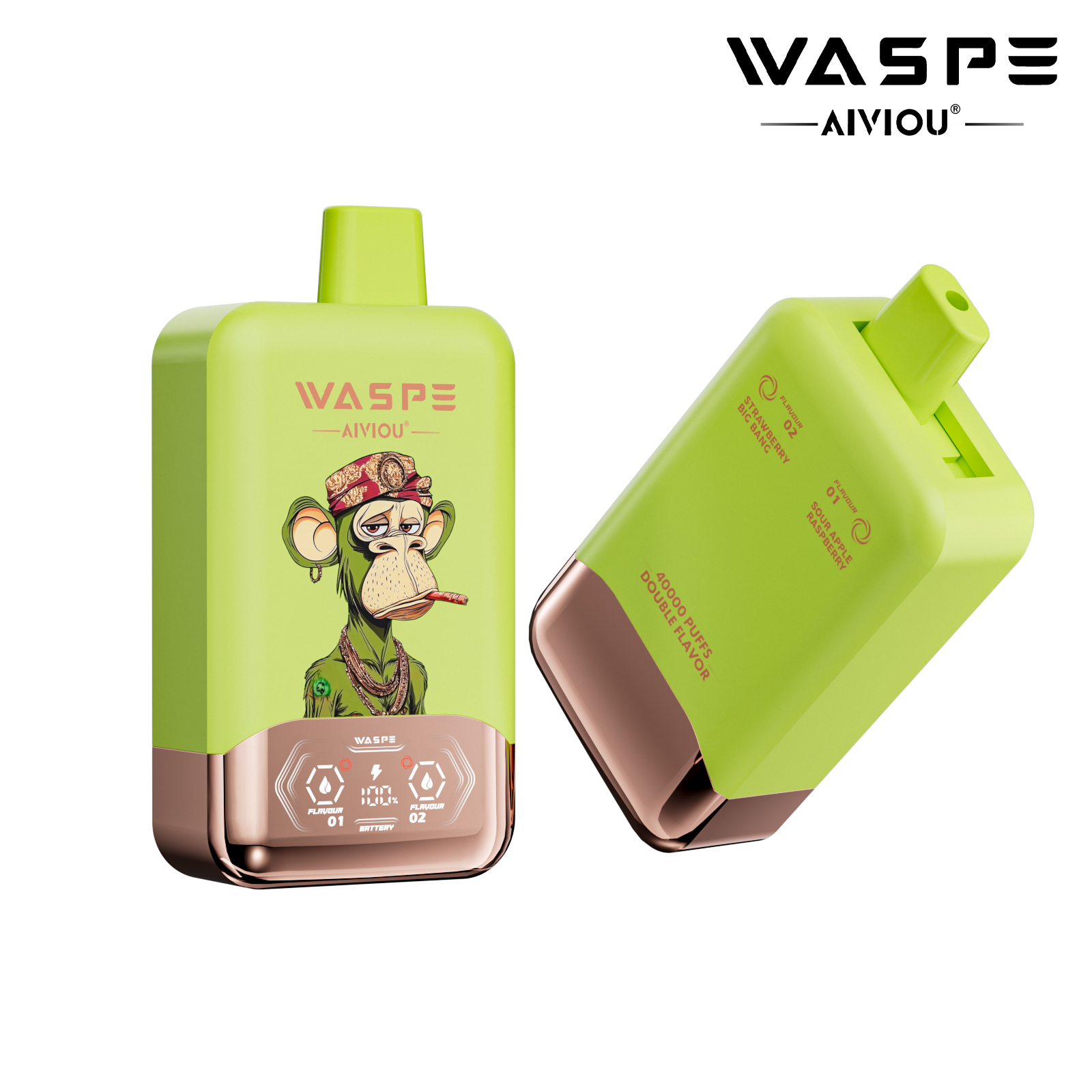
Futuristic Vaping: Merging Cutting-Edge Tech with Innovative Design
The evolution of electronic cigarettes is increasingly influenced by advancements in materials science, biometrics, and smart technology. Future-oriented designs prioritize seamless integration with digital ecosystems, enhanced user control, and sustainable innovation. Below, we explore how emerging technologies can redefine the vaping experience without compromising style or functionality.
Smart Integration and Connectivity
Modern users expect their devices to interact dynamically with their lifestyles. Future electronic cigarettes could leverage IoT principles to offer unprecedented customization and convenience.
Biometric Sensors for Personalized Vaping
Incorporating fingerprint or palm-vein scanners ensures only authorized users can activate the device, enhancing security. More advanced systems might monitor physiological data like heart rate or stress levels via embedded sensors, adjusting nicotine delivery or vapor output to match the user’s mood or health metrics. For instance, a device could reduce nicotine strength during periods of relaxation or increase it during high-stress scenarios, creating a responsive, adaptive experience.
Voice and Gesture Control
Eliminating physical buttons in favor of voice commands or hand gestures could streamline operation. A user might adjust temperature settings by saying, “Optimize for flavor,” or activate a cooling mode with a wave of their hand. These features not only cater to tech-savvy audiences but also improve accessibility for users with limited dexterity.
App-Driven Customization and Analytics
A dedicated mobile app could allow users to fine-tune every aspect of their vaping experience, from vapor density to LED lighting patterns. Real-time data tracking—such as puff count, e-liquid consumption, and battery life—would help users monitor habits and set goals. The app might also suggest flavor combinations based on past preferences or sync with smart home systems to adjust ambient lighting during use.
Wireless Charging and Power Sharing
Future devices could adopt magnetic resonance charging, enabling cable-free power-ups on compatible pads or even sharing battery life with other gadgets. This eliminates the need for proprietary cables and aligns with the growing demand for wireless ecosystems.
Advanced Materials and Sustainable Engineering
The push for eco-conscious design is reshaping how electronic cigarettes are manufactured and used. Innovations in materials and energy efficiency are key to reducing environmental impact.
Biodegradable and Self-Healing Components
Research into plant-based polymers and mycelium-derived materials could lead to fully biodegradable casings that decompose within months. Self-healing coatings, inspired by advancements in nanotechnology, might repair minor scratches or cracks automatically, extending the device’s lifespan.
Energy-Efficient Power Systems
Future batteries could utilize solid-state technology, offering faster charging times and longer runtimes while minimizing heat generation. Some prototypes even explore harvesting energy from body heat or ambient vibrations, reducing reliance on traditional charging methods.
Modular Design for Easy Upgrades
A device built with interchangeable modules—such as replaceable coils, batteries, or mouthpieces—would discourage disposal and encourage repairs. Users could upgrade specific components instead of buying entirely new devices, aligning with circular economy principles.
Eco-Friendly Packaging and Distribution
Brands might adopt edible or compostable packaging made from seaweed or mushroom-based materials. Shipping containers could double as charging stations or storage cases, minimizing waste at every stage of the product lifecycle.
Augmented Reality and Immersive Experiences
AR technology can transform vaping into a multisensory activity, blending physical and digital realms for enhanced engagement.
AR-Enabled Flavor Exploration
A smartphone camera paired with AR software could overlay visual effects based on the chosen e-liquid flavor. For example, a tropical mango blend might trigger animations of palm trees or ocean waves on the user’s screen, creating a thematic experience that complements the taste.
Interactive Tutorials and Safety Guides
New users could scan their device with an AR app to access step-by-step tutorials on maintenance, coil replacement, or troubleshooting. Animated overlays would demonstrate proper techniques, reducing the learning curve and preventing misuse.
Gamified Vaping Challenges
Integrating AR games or challenges into the app could incentivize healthy habits. Users might earn points for staying within daily puff limits or unlock virtual rewards for trying new flavors. Social features could allow friends to compete in cloud-chasing contests or share custom flavor recipes.
Haptic Feedback for Enhanced Sensation
Tiny actuators within the device could provide subtle vibrations to mimic the “throat hit” of traditional smoking or signal when it’s time to refill the tank. This tactile feedback adds another layer of immersion, making the experience feel more dynamic.
By embracing these technologies, future electronic cigarettes will transcend their role as nicotine delivery systems, becoming personalized, sustainable, and deeply interactive tools. The key lies in balancing innovation with usability, ensuring that cutting-edge features enhance rather than overwhelm the core vaping experience.