
Personalized Customization Trends Reshaping the Vaping Experience
The vaping industry is witnessing a surge in demand for tailored experiences, driven by consumer preferences for uniqueness, self-expression, and precision control. As users seek products that align with their lifestyles, tastes, and health goals, manufacturers are embracing customization across device design, e-liquid formulations, and usage patterns. Below, we explore the emerging trends transforming vaping into a highly personalized activity.
1. Modular and Adjustable Device Designs
One of the most visible shifts in vaping hardware is the rise of modular devices. Users can now mix and match components like batteries, coils, tanks, and mouthpieces to create a setup that suits their preferences. For example, a vaper might pair a high-wattage battery with a sub-ohm tank for dense clouds or opt for a sleek, low-profile pod system for discretion. This flexibility allows users to adapt their devices to different settings, from home use to on-the-go vaping.
Adjustable airflow and wattage settings further enhance personalization. Devices with sliding or rotating airflow controls let users fine-tune vapor production, throat hit, and flavor intensity. Similarly, variable wattage or temperature control modes cater to users who prefer cooler vapes for flavor or warmer hits for nicotine satisfaction. Some advanced models even allow users to save custom profiles, recalling preferred settings with a single click.
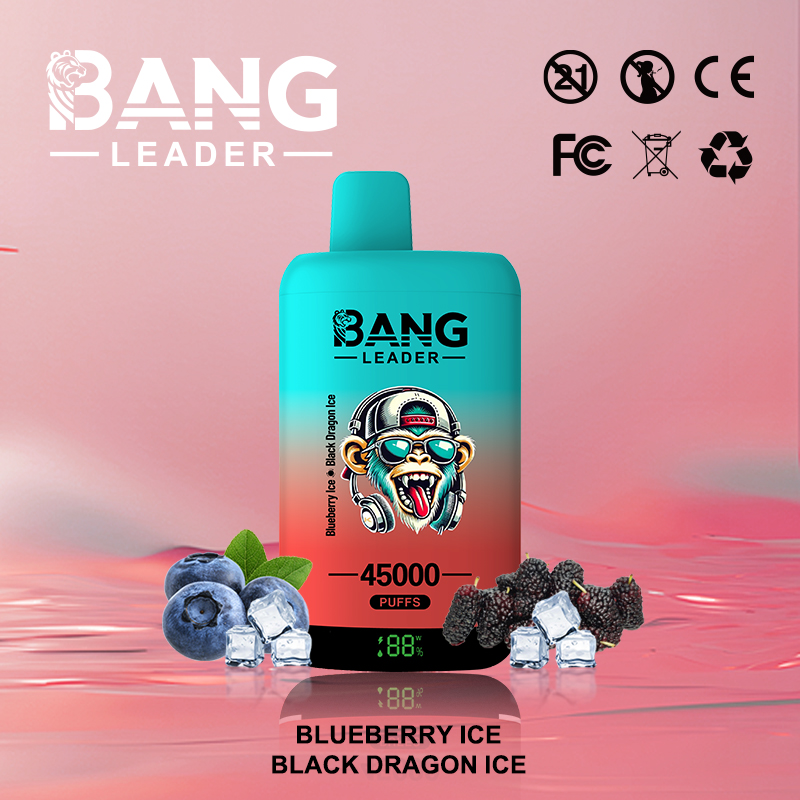
Aesthetic customization is also gaining traction. Interchangeable panels, skins, or LED lighting options enable users to personalize the look of their devices, reflecting their style or mood. From matte finishes to vibrant gradients, these design choices turn vapes into fashion accessories rather than generic gadgets.
2. Tailored E-Liquid Formulations and Flavor Blending
E-liquid customization is evolving beyond pre-mixed flavors. Some manufacturers now offer “flavor labs” or online tools where users can combine base ingredients—such as nicotine strength, PG/VG ratios, and flavor concentrates—to create bespoke blends. For instance, a user might mix a citrus base with a hint of mint and a lower nicotine concentration for a refreshing, light vape.
Natural and organic flavorings are also driving customization. Users increasingly prefer e-liquids free from artificial additives, sweeteners, or coloring agents. Brands are responding by offering clean-label options, allowing users to select from a range of botanical extracts, essential oils, or fruit distillates. This transparency appeals to health-conscious vapers who want to avoid unknown chemicals.
Additionally, some retailers provide sampling kits or subscription services that let users experiment with small batches of custom flavors before committing to larger quantities. This trial-and-error approach reduces waste and ensures users find their ideal blend.
3. Data-Driven Personalization Through Smart Technology
Smart vaping devices are leveraging data to offer hyper-personalized experiences. Connected apps track usage patterns, such as puff frequency, duration, and nicotine intake, and provide insights or recommendations. For example, an app might suggest reducing nicotine strength if a user’s daily consumption exceeds a healthy threshold or recommend a new flavor based on past preferences.
AI-powered algorithms take this a step further by predicting user behavior. If a user typically vapes more during work breaks, the device could automatically adjust settings for a smoother hit during those times. Some prototypes even integrate with wearables, syncing vaping patterns with stress levels or activity data to optimize nicotine delivery.
Health monitoring is another frontier. Devices equipped with biosensors could detect hydration levels, respiratory rate, or sleep quality, correlating vaping habits with wellness metrics. If a user’s sleep quality declines after increasing vaping frequency, the app might prompt a discussion about reducing usage.
4. Cultural and Lifestyle-Inspired Customization
Vaping is becoming a cultural statement, with users seeking products that reflect their identities or interests. Limited-edition collaborations with artists, musicians, or influencers allow users to align their devices with specific subcultures. For example, a vape designed in partnership with a streetwear brand might feature bold graphics or urban-inspired color schemes.
Regional or seasonal customization is also emerging. Brands may release e-liquids or device designs tied to local holidays, festivals, or cuisines. A summer-themed line might include tropical fruit flavors or bright, beachy aesthetics, while a winter collection could feature spiced blends or frosted device finishes.
Additionally, some users customize their vaping rituals to match specific activities. A “workout vape” might use a high-VG e-liquid with a cooling menthol flavor, while a “relaxation vape” could feature lavender or chamomile notes paired with a low-wattage device for a mellow experience.
5. Community-Driven Customization and User Collaboration
The vaping community is playing an active role in shaping customization trends. Online forums, social media groups, and DIY tutorials empower users to share recipes, mods, and tips. Some enthusiasts even create custom coils or rebuildable atomizers (RBAs) to achieve precise vapor production or flavor delivery.
Crowdsourced flavor development is another growing phenomenon. Brands may invite users to submit flavor ideas or vote on upcoming releases, fostering a sense of ownership and engagement. This approach not only drives innovation but also builds loyalty among customers who feel their voices are heard.
Additionally, local vape shops or “vape bars” are offering hands-on customization experiences. Customers can experiment with different flavors, devices, and settings under expert guidance, creating a personalized vape on the spot.
By embracing modular designs, data-driven insights, and community collaboration, the vaping industry is catering to a new generation of users who demand products as unique as they are. As customization trends evolve, the sector will need to balance innovation with safety, ensuring that personalized options adhere to regulatory standards and prioritize user well-being. Through this lens, vaping transforms from a one-size-fits-all habit into a deeply personal journey of self-expression and discovery.