
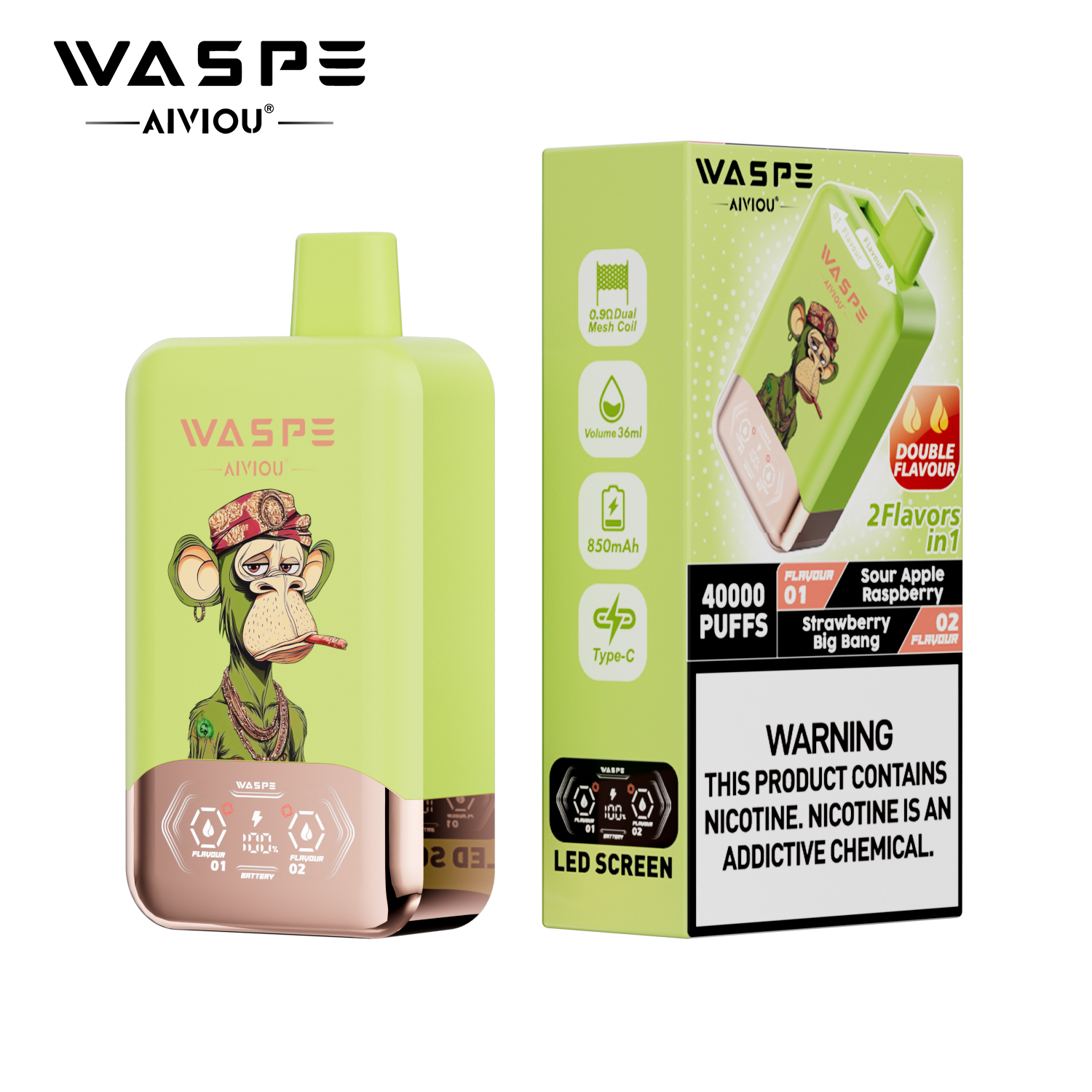
How Electronic Cigarette Atomizers Work: Breaking Down the Mechanics
An electronic cigarette atomizer is the core component responsible for converting e-liquid into vapor. Understanding its function helps users troubleshoot issues, optimize performance, and appreciate the engineering behind their device. Here’s a detailed look at how it operates, from basic components to advanced interactions.
The Core Components of an Atomizer
An atomizer consists of three primary parts: a heating coil, a wick, and a housing structure. The heating coil, typically made of resistance wire like Kanthal or stainless steel, generates heat when electricity passes through it. The wick, often crafted from cotton or ceramic fibers, absorbs e-liquid from the tank and delivers it to the coil. The housing holds these components together, ensuring proper alignment and preventing leaks.
Key Interaction: When the device is activated, the battery sends power to the coil, which rapidly heats up. The wick continuously draws e-liquid to the coil’s surface, where the heat transforms it into vapor. This process repeats with each puff, creating a consistent flow of vapor.
The Role of Wicking Material
The wick’s material and design directly impact vapor production and flavor quality. Cotton wicks are popular for their affordability and ability to hold ample e-liquid, but they require regular replacement if burned. Ceramic wicks, on the other hand, resist high temperatures and reduce the risk of dry hits, though they may take longer to saturate.
How Wicking Works: As e-liquid saturates the wick, it forms a thin layer around the coil. When heated, this liquid evaporates, creating tiny droplets that combine to form vapor. Poor wicking—due to a dry wick or improper placement—can lead to uneven heating, resulting in a burnt taste or reduced vapor output.
Heat Distribution and Coil Design
The coil’s design influences how evenly heat is applied to the e-liquid. Simple coils with fewer wraps heat up quickly but may create hotspots, leading to uneven vaporization. More complex designs, like Clapton or fused coils, increase the surface area, promoting consistent heating and richer flavor.
Advanced Considerations: Some atomizers use mesh coils, which feature a fine metal grid instead of traditional wire. Mesh coils distribute heat more uniformly, reducing the likelihood of dry hits and enhancing flavor clarity. However, they require precise wicking to avoid flooding.
Airflow and Vapor Dynamics
Airflow plays a critical role in how vapor is produced and inhaled. Most atomizers include adjustable airflow slots that allow users to control the amount of air mixing with the vapor. Restricted airflow creates a tighter draw, similar to smoking a traditional cigarette, while wider slots produce a looser, airier inhale.
Impact on Performance: Proper airflow ensures the coil cools efficiently during use, preventing overheating and extending its lifespan. It also affects vapor density—more air results in thinner clouds, while less air creates thicker, warmer vapor. Balancing airflow with wicking and coil design is essential for optimal performance.
By grasping these principles, users can better maintain their devices, experiment with customization, and enjoy a tailored vaping experience. Whether adjusting wicking material or exploring coil designs, understanding the atomizer’s mechanics empowers informed decisions.