
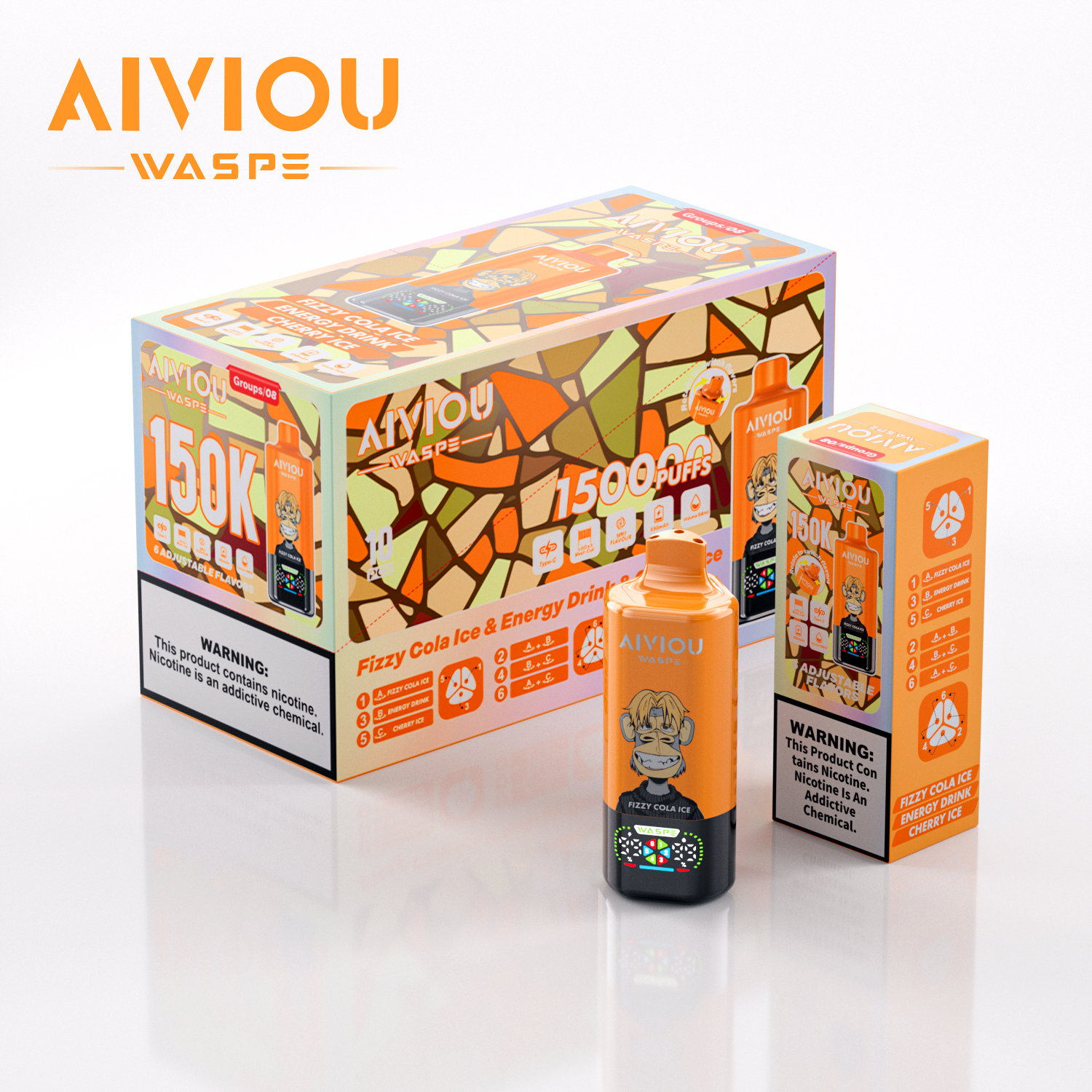
Enhancing Flavor in Electronic Cigarettes: Practical Techniques for Richer Taste
Achieving a satisfying vape experience hinges on mastering techniques that amplify flavor clarity and depth. Unlike traditional smoking, where combustion masks subtleties, vaping allows users to explore nuanced taste profiles. By refining inhalation methods, adjusting device settings, and optimizing e-liquid interactions, vapers can unlock layers of flavor often lost in casual use.
Fine-Tuning Airflow for Flavor Intensity
Airflow settings directly influence how vapor interacts with taste buds and olfactory receptors. Restricted airflow (narrow vents) creates denser, warmer vapor that concentrates flavors, making it ideal for sweet, creamy, or rich e-liquids like desserts or custards. This setting mimics the “mouth-to-lung” draw of cigarettes, enhancing throat hit and flavor retention.
For lighter, fresher profiles such as fruits or menthols, open airflow (wide vents) produces cooler, airier vapor that prevents overwhelming sweetness. Experiment by gradually adjusting vents during a session: start with a tight draw to taste top notes, then widen the airflow to explore underlying layers. Balancing airflow also reduces the risk of dry hits, ensuring consistent flavor delivery.
Mastering Inhalation Techniques
The way vapor is drawn and held affects flavor perception. Slow, steady inhalation allows vapor to coat the tongue and oral cavity, maximizing contact with taste buds. Holding the vapor briefly (2–3 seconds) before exhaling lets flavors linger, while rapid exhalation disperses them too quickly.
For multi-layered e-liquids, try “segmented inhalation.” Take a shallow draw to isolate top notes (e.g., citrus or berries), then follow with a deeper pull to access base flavors (e.g., vanilla or caramel). Exhaling through the nose instead of the mouth activates olfactory senses, revealing hidden aromatic notes that oral taste buds might miss. This technique is particularly effective for complex blends like bakery or tobacco flavors.
Optimizing Wattage and Temperature
Coil temperature and wattage settings dictate how thoroughly e-liquids are vaporized. Lower temperatures (150–200°C) preserve delicate notes in fruity or floral e-liquids, preventing overheating that can mute subtlety. Higher temperatures (200–250°C) enhance caramelization in dessert or tobacco flavors, deepening their richness.
Adjust wattage to complement temperature: higher wattage vaporizes liquid faster, intensifying flavor but risking burnt tastes if mismanaged. Beginners should start at lower wattages and increase incrementally until finding the “sweet spot” where flavors bloom without harshness. Devices with adjustable power modes allow precise calibration based on e-liquid viscosity and coil resistance.
Priming the Palate for Enhanced Sensitivity
Preparing your mouth and throat before vaping sharpens flavor perception. Drinking water 15–30 minutes before a session prevents dehydration, which can dull taste buds. Some vapers rinse their mouths with cold water to temporarily numb receptors, heightening sensitivity to subsequent flavors.
Avoid strong-tasting foods or beverages (e.g., coffee, spicy meals) shortly before vaping, as residual tastes can contaminate e-liquid profiles. Clearing nasal passages by sniffing fresh coffee beans or peppermint oil resets olfactory receptors, making it easier to detect nuanced aromas. A clean palate ensures each puff delivers its intended flavor without interference.
Balancing E-Liquid Composition
The ratio of propylene glycol (PG) to vegetable glycerin (VG) in e-liquids affects both flavor and vapor production. High-PG blends (50% PG or more) carry flavors more intensely, making them ideal for vapers prioritizing taste over cloud size. High-VG blends (70% VG or more) produce thicker vapor but may dilute flavor unless paired with a powerful device.
Steeping e-liquids can also improve flavor. Freshly mixed liquids often taste flat or chemically; letting them rest in a cool, dark place for 1–2 weeks allows ingredients to meld. Shake the bottle daily and open it periodically to release trapped gases. Test steeping progress by vaping small samples at intervals, noting how flavors evolve from sharp to rounded.
Final Considerations
Flavor enhancement is a blend of technical adjustments and sensory awareness. By experimenting with airflow, inhalation methods, and device settings, vapers can tailor their experience to highlight specific notes. Pairing these techniques with palate-priming rituals and mindful e-liquid selection ensures every session delivers vibrant, well-rounded taste. As vaping culture evolves, such attention to detail will remain central to achieving flavor mastery.