
Emerging Trends in Vaping Technology Innovation
The vaping industry is undergoing rapid technological transformation, driven by consumer demand for safer, more efficient, and customizable experiences. From advanced materials to AI-driven personalization, these innovations are reshaping how users interact with vaping devices. Below, we explore key trends shaping the future of vaping technology development.
1. Enhanced Safety and Health Monitoring Systems
Health concerns remain a top priority for both regulators and consumers, prompting R&D efforts focused on minimizing risks. Future vaping devices may integrate biosensors to detect harmful chemicals in real time, such as formaldehyde or heavy metals, and alert users via LED indicators or smartphone apps. These sensors could also monitor biomarkers like heart rate or blood oxygen levels to help users gauge the physiological impact of vaping.
Another area of focus is improving battery safety. Solid-state batteries, which are less prone to overheating or combustion than traditional lithium-ion cells, are gaining traction in prototyping. Additionally, manufacturers are exploring thermal management systems that automatically adjust power output to prevent coil overheating, reducing the production of toxic byproducts.
Regulatory compliance is also influencing innovation. Devices may soon include features like tamper-proof pods to prevent refilling with unregulated e-liquids or age-verification mechanisms to restrict youth access. These advancements aim to align vaping technology with public health goals while addressing regulatory scrutiny.
2. Sustainable Materials and Circular Design Principles
Environmental sustainability is reshaping product development, with a push toward eco-friendly materials and modular designs. Research into biodegradable plastics, such as those derived from corn starch or algae, could replace petroleum-based polymers in device casings or pods. Similarly, recyclable metals and ceramics are being explored for heating elements to reduce electronic waste.
Circular economy models are also gaining momentum. Manufacturers are designing devices with replaceable components, allowing users to upgrade batteries, coils, or tanks without discarding the entire product. Some prototypes even feature self-disassembling mechanisms to simplify recycling. Additionally, initiatives to create closed-loop supply chains—where materials are reused or repurposed—could minimize the industry’s carbon footprint.
Consumer education will be critical to the success of these efforts. Brands may need to invest in campaigns highlighting the environmental benefits of sustainable vaping, such as reduced plastic waste or lower energy consumption during production.
3. AI and Machine Learning for Personalized Experiences
The integration of artificial intelligence (AI) and machine learning (ML) is enabling unprecedented levels of customization. Future vaping devices could use AI algorithms to analyze user behavior, such as puff duration, frequency, or preferred nicotine strength, and dynamically adjust settings for optimal performance. For example, a device might learn that a user prefers a cooler vapor in the morning and automatically lower the temperature during those hours.
Connectivity features, such as Bluetooth or Wi-Fi, would allow devices to sync with mobile apps, where users can track usage patterns, set goals (e.g., reducing nicotine intake), or explore new flavors based on past preferences. Some apps might even offer gamified rewards for achieving health-related milestones, though this would require balancing engagement with responsible messaging.
Additionally, AI could optimize e-liquid formulations by predicting flavor combinations or nicotine delivery profiles that align with individual tastes. This technology could democratize e-liquid mixing, allowing users to create custom blends at home using safe, pre-approved ingredients.
4. Next-Generation Heating Technologies and Flavor Delivery
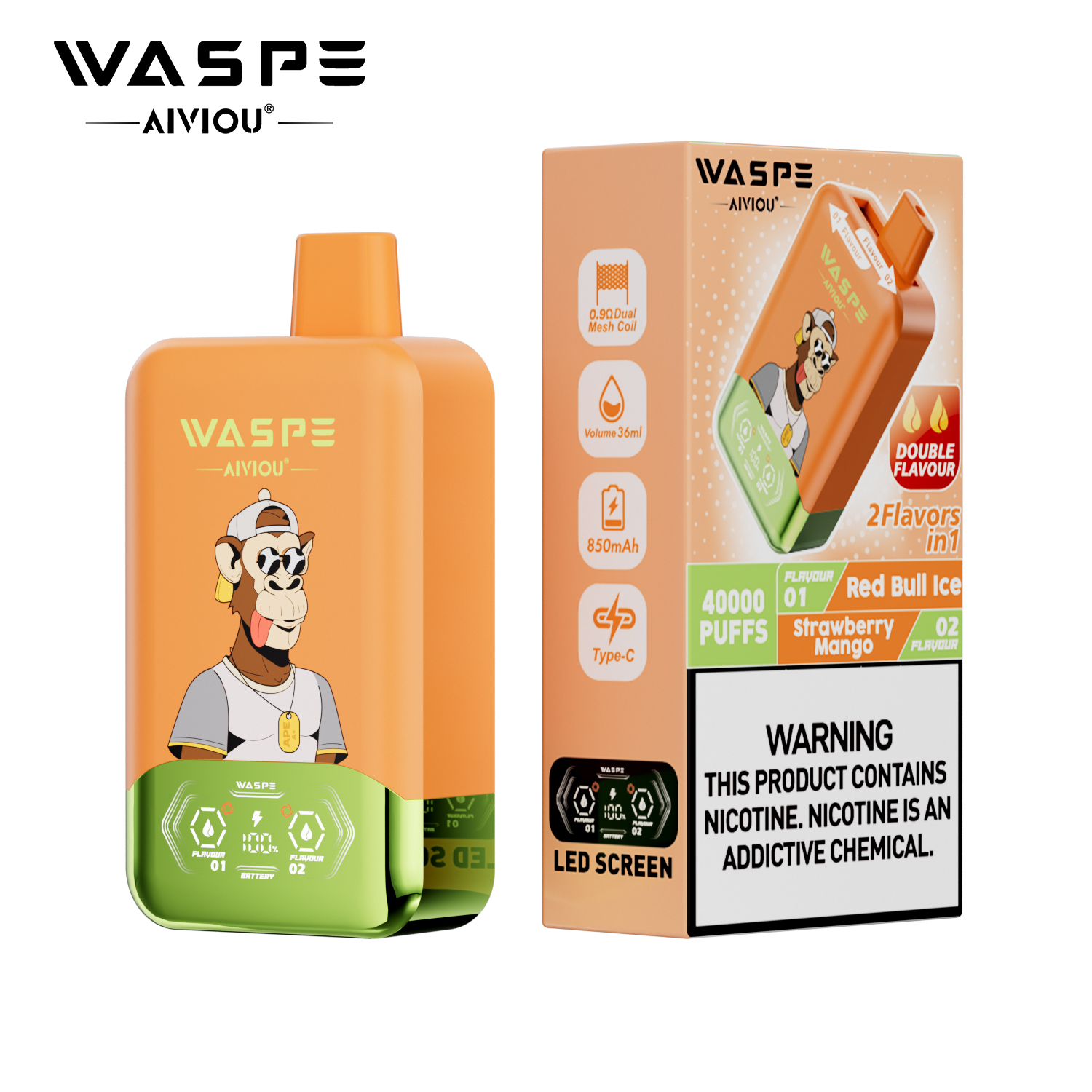
Innovations in heating methods aim to improve flavor consistency and reduce harmful emissions. Mesh coils, which distribute heat more evenly than traditional wire coils, are becoming standard in premium devices, offering smoother vapor and longer coil lifespans. Ceramic heating elements, known for their durability and ability to withstand high temperatures, are also gaining popularity for their potential to minimize dry hits or burnt tastes.
Research into ultrasonic vaporization—where e-liquids are aerosolized using sound waves rather than heat—could offer a cleaner alternative to conventional methods. This technology might reduce the formation of harmful aldehydes or particulate matter, though it remains in early stages of development.
Flavor delivery is another focus area. Manufacturers are experimenting with natural flavorings, such as plant extracts or essential oils, to appeal to health-conscious consumers. Additionally, advances in encapsulation techniques could allow for time-released flavor profiles, where notes evolve over the course of a vaping session.
5. Integration with Wearable Technology and Health Ecosystems
The vaping industry is exploring partnerships with wearable device makers to create holistic health-monitoring solutions. Future vapes might sync with smartwatches or fitness trackers to correlate vaping habits with metrics like sleep quality, stress levels, or physical activity. For instance, a device could suggest reducing nicotine intake if it detects elevated heart rate variability indicative of anxiety.
These integrations could also enable proactive health interventions. A vape paired with a wearable might remind users to take a break if it detects excessive puffing or recommend hydration based on dehydration biomarkers. However, such features would require robust data privacy protections and regulatory approval to address ethical concerns.
By prioritizing safety, sustainability, and personalization, the vaping industry can position itself as a leader in responsible innovation. As technology evolves, the sector will need to balance cutting-edge development with ethical considerations, ensuring that advancements benefit both users and the broader public health landscape.