
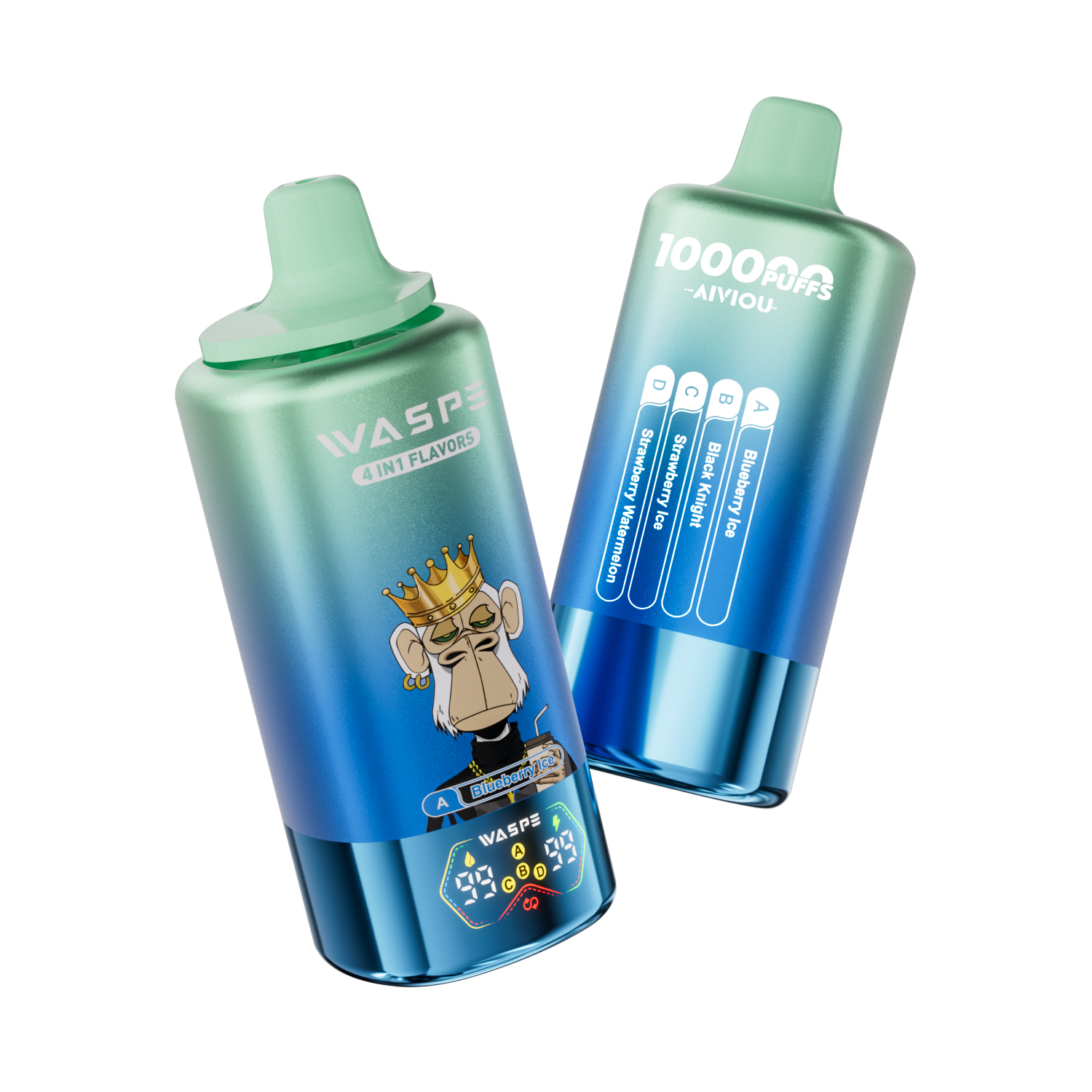
Troubleshooting Common Electronic Cigarette Issues: A Step-by-Step Guide
Electronic cigarettes, like any electronic device, can encounter malfunctions ranging from minor inconveniences to complete failures. Understanding how to diagnose and resolve these problems ensures a smoother vaping experience without unnecessary replacements or repairs. This guide covers practical steps to address frequent issues users face.
Device Fails to Power On or Charge
A dead or unresponsive device is often the first sign of trouble. Begin by checking basic power-related components and connections.
Inspect the Battery Connection Points
Loose or dirty battery contacts can prevent power flow. Remove the battery (if removable) and examine the metal terminals on both the device and battery. Use a cotton swab lightly dampened with isopropyl alcohol to clean any residue or oxidation. Ensure the battery is inserted correctly, aligning positive (+) and negative (-) markings. For built-in batteries, gently wipe the charging port with a dry cloth to remove dust or lint.
Test the Charging Cable and Power Source
A faulty cable or incompatible power adapter is a common culprit. Try charging the device with a different USB cable or plug it into a computer’s USB port instead of a wall adapter. If the device charges on one source but not another, the original adapter or cable may need replacement. Avoid using fast-charging adapters designed for phones, as they can overload vaping devices.
Check for Over-Discharge Protection
Many devices have built-in safety features that prevent charging if the battery voltage drops too low. Connect the device to a charger and leave it for 30–60 minutes, even if no indicator lights appear. Some devices require a minimum charge level to resume functionality. If the battery is removable, try using a spare battery to confirm whether the issue lies with the battery itself.
Poor Vapor Production or Weak Throat Hit
Weak vapor or a muted throat hit often stems from e-liquid, coil, or airflow problems. Adjusting these elements can restore performance.
Verify E-Liquid Level and Viscosity
Low e-liquid levels can cause dry hits, where the coil burns residual material instead of vaporizing liquid. Ensure the tank or pod is at least one-third full. Thick, high-VG e-liquids may struggle to wick properly in some devices, especially those designed for thinner formulas. Switch to a 50/50 PG/VG blend temporarily to test if viscosity is the issue.
Inspect and Replace the Coil or Atomizer
A worn-out coil is a primary cause of weak vapor. Coils typically last 1–2 weeks, depending on usage. Signs of a dead coil include a burnt taste, gurgling sounds, or leaking. Unscrew the old coil and replace it with a new one, ensuring it’s compatible with your device. Prime the new coil by adding a few drops of e-liquid directly onto the wicking material before installation to prevent dry hits.
Adjust Airflow Settings
Restricted airflow reduces vapor volume and intensifies throat hit, while excessive airflow can dilute flavor. Locate the airflow control ring (usually near the base of the tank or pod) and experiment with different settings. Open the airflow fully for cloud-chasing or close it partially for a tighter draw. If the device lacks adjustable airflow, check for blockages caused by condensation or debris in the airflow holes.
Leaking or Flooding Issues
E-liquid leakage not only wastes product but can also damage the device’s internal components. Identifying the source of leaks is key to resolving them.
Check for Cracked or Improperly Sealed Components
Cracks in the tank, pod, or mouthpiece allow e-liquid to escape. Inspect all parts for visible damage, paying close attention to seals and O-rings. These rubber gaskets create a watertight barrier between components. If any are missing, torn, or stretched, replace them with new ones (often included in coil packs or sold separately). Ensure all parts are screwed together tightly but not over-tightened, which can warp seals.
Avoid Overfilling the Tank or Pod
Overfilling creates pressure that forces e-liquid out through airflow holes or seals. Fill the tank to just below the maximum fill line, leaving room for air expansion. For pod systems, follow the manufacturer’s recommended fill level, usually marked inside the pod. After filling, close the tank or pod securely and wait 5–10 minutes to let the e-liquid settle before vaping.
Address Coil Flooding or Gurgling
Flooding occurs when excess e-liquid saturates the coil, leading to gurgling sounds, spitback (hot droplets entering the mouth), or leaks. Remove the tank or pod and blow gently through the mouthpiece to force excess liquid out of the airflow holes. Alternatively, wrap a paper towel around the device and flick it downward a few times to dislodge liquid. If the issue persists, replace the coil, as flooding often indicates a worn or improperly primed coil.
Unresponsive Buttons or Erratic Display
Button malfunctions or display glitches can disrupt device operation. These issues often relate to software, hardware, or physical damage.
Clean the Button Contacts and Surrounding Area
Dirt, e-liquid residue, or debris can jam buttons or interfere with electrical connections. Use a toothpick or plastic tool to gently scrape around the edges of stuck buttons, being careful not to scratch the surface. Dampen a cotton swab with isopropyl alcohol and clean the button area, then press the button repeatedly to work the alcohol into crevices. Let the device dry completely before testing.
Reset the Device to Factory Settings
Many devices have a reset function to clear software bugs. Refer to the user manual for specific instructions, as methods vary by model. Common reset steps include holding the power button and fire button simultaneously for 10–15 seconds or navigating through menu settings to find a “reset” option. Resetting erases custom settings like wattage or temperature limits, so reconfigure them after the process.
Inspect for Physical Damage or Water Exposure
Drops, impacts, or exposure to moisture can damage internal circuitry. Check for cracks in the casing, water spots, or corrosion around the charging port or buttons. If the device has been dropped or submerged, let it dry in a warm, dry place for 24–48 hours before attempting to use it again. In severe cases, professional repair may be necessary, though many vaping devices are not designed for user-serviceable repairs.
By systematically addressing these common issues, users can resolve most electronic cigarette problems without expert assistance. Regular maintenance, such as cleaning contacts and replacing coils, prevents many malfunctions from occurring in the first place.